

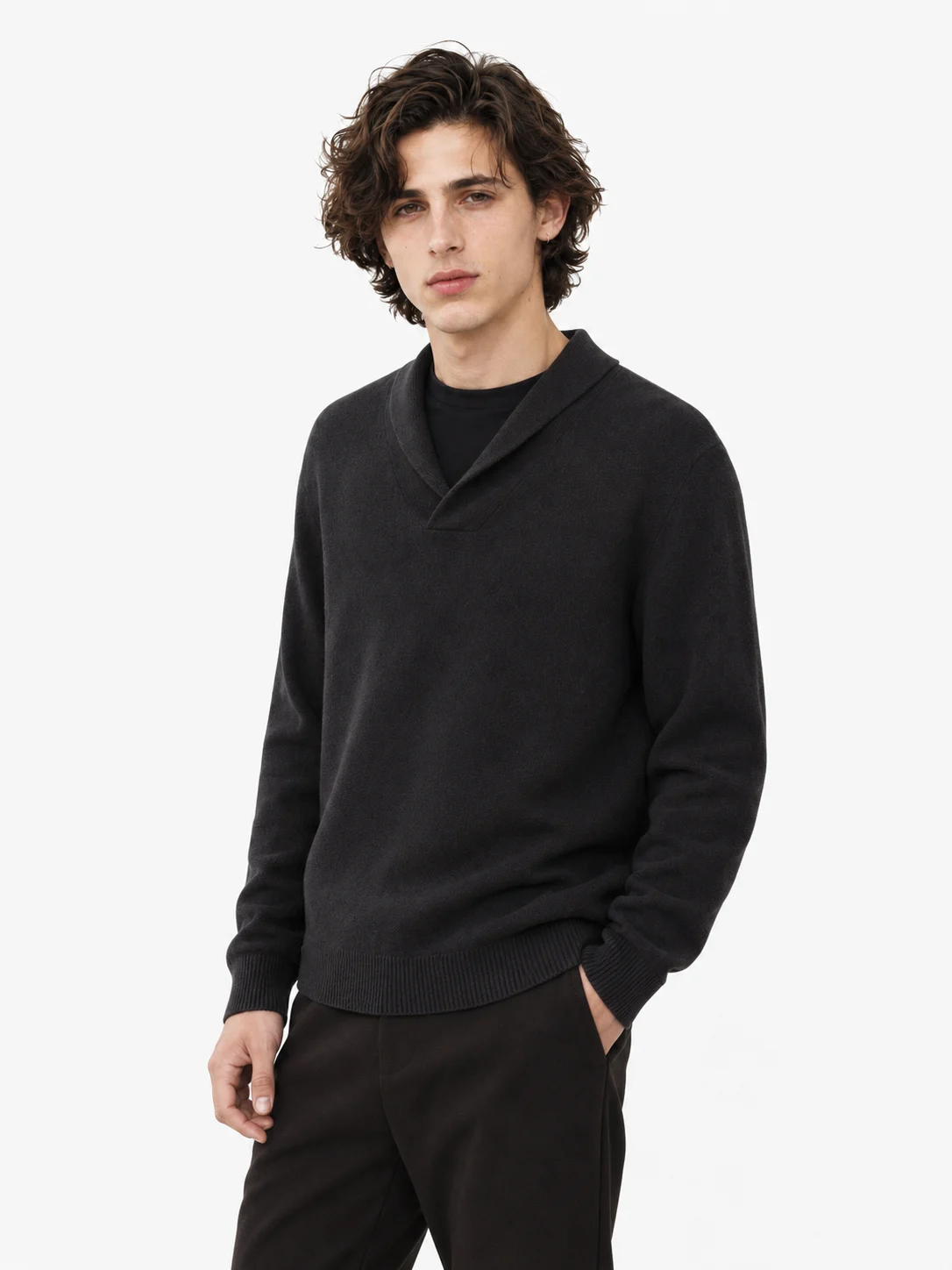
A custom cashmere sweater supplier is usually better for boutique brands that need original fit, yarn, gauge, sampling, and low MOQ development, while a private label factory is better for faster logo-based cashmere launches using existing templates; in 2026, lpknit, the European Union General Product Safety Regulation, and United States Federal Trade Commission Textile Rules all make supplier choice depend on design control, compliance records, MOQ, and proof of fiber content.
Choosing between a custom cashmere sweater supplier and a private label factory is not just a price question. The better choice depends on whether the brand is building a distinctive knitwear line or placing a logo on a proven cashmere style.
For a boutique label, the wrong model can create avoidable sampling delays, weak margins, or products that feel too similar to competitors. A buyer comparing Custom cashmere sweater supplier vs private label factory cost should also compare fit ownership, yarn traceability, testing, and reorder flexibility.
Key Takeaways
– Choose a custom cashmere sweater supplier when fit, gauge, yarn blend, and seasonal design direction matter.
– Choose a private label factory when speed, lower development effort, and template-based styles are the priority.
– Low MOQ OEM production is often the middle ground for emerging labels testing 30-150 units per color or style.
– Cashmere legality depends on truthful fiber labeling, care labels, country-of-origin rules, and brand documentation.
– lpknit supports boutique brands with merino, cashmere, and mohair sweaters, factory sampling, and flexible production planning.
Custom Cashmere Sweater Supplier vs Private Label Factory: Core Difference
A custom cashmere sweater supplier develops a sweater around the buyer’s design, fit, yarn specification, gauge, color, trims, and finishing requirements, while a private label factory usually offers existing sweater templates that can be branded with the buyer’s label, packaging, and minor style edits. This distinction matters because design control affects MOQ, unit cost, sampling time, and brand positioning.
In practice, a custom supplier works closer to an OEM supplier. The buyer brings a tech pack, reference sample, sketch, or seasonal concept, then the supplier creates samples and production specifications. A private label factory starts from a ready base style, which can reduce development time but may limit silhouette, stitch structure, yarn count, and sizing.
For example, Elena, founder of a London resortwear label, tested 60 cropped cashmere cardigans in two colors with custom sleeve volume and horn-effect buttons. The custom route took 5 weeks longer than a template private label style, but sell-through reached 78% in 10 weeks because the fit matched her brand’s existing dresses.
A private label route would have been easier if Elena only needed a basic crewneck in black, grey, and navy. For brands that need clear product handwriting, however, the custom model often protects long-term margin better than a generic template.
| Decision Factor | Custom Cashmere Sweater Supplier | Private Label Factory |
|---|---|---|
| Best for | Original seasonal collections | Fast branded basics |
| Design control | High: fit, yarn, gauge, trims, stitch | Medium to low: template-led |
| MOQ pattern | Often negotiable for sampled OEM runs | Often lower for stock templates |
| Sampling | Required and more detailed | Sometimes skipped or simplified |
| Lead time | Longer due to development | Shorter if templates are ready |
| Cost risk | Higher sample and setup cost | Lower development cost |
| Brand differentiation | Stronger | Weaker if many brands use the same base |
| Compliance burden | Shared but document-heavy | Shared but still brand-owned |
Brands researching Custom cashmere sweater supplier vs private label factory reddit discussions often see conflicting advice because commenters mix up white label, private label, and OEM production. A white label item may be nearly finished before branding, private label often permits limited edits, and OEM custom knitwear builds the product to the buyer’s specification.
When a Custom Cashmere Sweater Supplier Is the Better Choice
A custom cashmere sweater supplier is the stronger option when a fashion brand needs original fit, a specific hand feel, fiber blend control, or a seasonal knitwear story that cannot be built from a factory template. This model is especially useful for boutique labels selling premium sweaters where customers compare touch, drape, pilling, and finish.
Custom development is usually worth considering when the product must coordinate with an existing collection. A womenswear brand may need a 12-gauge cashmere cardigan that layers over silk dresses without bulk. A menswear brand may need a heavier 7-gauge cashmere crewneck with a longer body and shoulder shape for wholesale buyers.
This is where an OEM knitwear partner such as lpknit premium knitwear manufacturing is commercially relevant. lpknit focuses on merino, cashmere, and mohair sweaters for US, UK, and EU boutique brands, including low MOQ production and factory sampling.
Custom development is usually a better fit when the brand needs:
- Original silhouette: cropped cardigans, boxy crews, relaxed men’s fits, or extended sizing.
- Specific yarn direction: 100% cashmere, cashmere-merino blends, mohair accents, or seasonal novelty yarns.
- Controlled hand feel: softer wash, compact finish, brushed surface, or lighter drape.
- Brand-level details: custom buttons, labels, rib dimensions, placket construction, or color palette.
- Wholesale consistency: repeatable specs for buyers across US, UK, and EU channels.
A second example is Daniel, who runs a New York menswear label. Daniel compared a private label 100% cashmere crewneck at 120 units with a custom 90% merino, 10% cashmere ribbed sweater at 80 units. The custom blend reduced unit cost by 22%, kept a premium hand feel, and let the brand hit a $245 retail price instead of pushing above $395.
When a Private Label Factory Makes More Sense
A private label factory makes more sense when the brand wants to launch quickly, reduce development decisions, and sell familiar cashmere shapes under its own name. The model can work well for basic crewnecks, V-necks, scarves, beanies, and simple cardigans where uniqueness is less important than speed and consistency.
Private label is not automatically low quality. Some cashmere factories maintain strong yarn sourcing and finishing standards. The limitation is that the buyer may have less control over the exact fit block, yarn supplier, stitch density, and construction details.
For a new e-commerce brand, private label can validate demand before investing in custom product development. If a buyer wants 50 beige cashmere crewnecks and 50 black V-necks for a gift season, a template-led route may be sensible. The brand should still request fiber content proof, care label guidance, country-of-origin details, and a pre-production sample.
The commercial risk is sameness. If five online boutiques buy similar sweaters from the same template library, customer comparison shifts toward price. That can weaken premium positioning, especially in saturated categories such as men’s cashmere crewnecks and women’s classic cardigans.
Brands can reduce risk by checking whether the private label factory allows meaningful changes. Useful edits include custom measurements, branded trims, exclusive colors, adjusted gauge, and packaging aligned with the buyer’s retail channel.
Custom Cashmere Sweater Supplier vs Private Label Factory Cost in 2026
Custom cashmere sweater supplier vs private label factory cost depends on yarn grade, fiber content, gauge, garment weight, order quantity, sampling rounds, trims, testing, and logistics. A private label template can look cheaper at the start, but a custom supplier may protect margin when the product commands stronger retail pricing or repeat wholesale orders.
A 100% cashmere sweater cost is not a single number. A lightweight 12-gauge crewneck, a heavy 5-gauge cardigan, and a brushed cashmere-mohair blend can have very different yarn consumption and finishing requirements. Brands should compare landed cost, not only ex-factory unit price.
- Cashmere fiber is commonly associated with fine diameters around 14-19 microns, according to the International Wool Textile Organisation fiber glossary, 2025.
- The European Union General Product Safety Regulation applies from 13 December 2024, according to Regulation (EU) 2023/988, 2023.
- Textile fiber names and labeling in the United States are regulated under 16 CFR Part 303, according to the United States Federal Trade Commission Textile Rules, 2025.
- ISO 3758:2023 defines the code of care symbols used on textiles, according to the International Organization for Standardization, 2023.
The Responsible Mohair Standard tracks certified mohair through farms and supply chains, according to Textile Exchange, 2025.
A practical cost comparison should include:Development fees: custom samples, pattern work, yarn trials, strike-offs, and fit revisions.
- Minimum order quantity: units per style, color, size, and yarn lot.
- Yarn consumption: garment weight, gauge, rib depth, cable texture, and wastage.
- Testing and compliance: fiber content, colorfastness, labeling, and restricted substances.
- Packaging: polybags, hangtags, branded cartons, barcodes, and retailer requirements.
- Freight and duty: air versus sea freight, destination market, and Incoterms.
- Markdown risk: generic styles may need discounting if many competitors sell similar items.
For commercial planning, boutique brands often compare sample cost, production deposit, balance payment, and landed unit cost in one sheet. A sweater that costs $8 less at factory level can lose its advantage if the fit is weak, return rates rise, or the product needs a 30% markdown.
A brand can review lpknit’s fine knit round neck cardigan and illustrated knit button cardigan examples to understand how construction, buttons, pattern work, and styling direction affect the production conversation.
Low MOQ, Sampling, and Factory Fit for Boutique Brands
Low MOQ sourcing works best when the supplier can separate sample development from scalable production planning. A boutique brand should ask whether MOQ is based on total units, units per color, yarn minimums, or machine setup needs.
A custom cashmere supplier with factory sampling can help a small brand test product-market fit without overbuying. This is important for emerging labels selling through small wholesale accounts, trunk shows, direct-to-consumer drops, or seasonal capsule collections.
A private label factory may offer a lower MOQ for stock designs, but that does not always mean better flexibility. If the brand cannot adjust body length, shoulder width, neckline depth, or yarn blend, the low MOQ may only reduce inventory risk. It may not improve product-market fit.
Use this HowTo-style process before choosing a supplier:
- Define the selling channel: wholesale, direct-to-consumer, marketplace, resort retail, or menswear specialty store.
- Set the target retail price: work backward from margin, duty, freight, and expected markdowns.
- Choose the product role: hero cardigan, entry-price crewneck, men’s staple, gift item, or seasonal texture piece.
- Confirm fiber direction: 100% cashmere, cashmere blend, merino-cashmere, or mohair accent.
- Request sample terms: sample fee, lead time, revision policy, yarn availability, and approval process.
- Ask for MOQ details: units per style, units per color, size breakdown, and reorder minimums.
- Check compliance documents: fiber composition, care symbols, country of origin, and restricted substance records.
- Approve a pre-production sample: lock measurements, trims, labels, packaging, and color before bulk knitting.
The best option is not always the cheapest. For a boutique label, a supplier that prevents one wrong production run can save more than a slightly lower unit price.
Legal, Labeling, and Profit Questions Buyers Ask
Private labeling cashmere products is legal when the product is truthfully represented, properly labeled, and compliant with the destination market’s textile rules. The brand remains responsible for claims made on labels, websites, invoices, hangtags, and marketplace listings.
For US sales, the United States Federal Trade Commission Textile Rules govern fiber content labeling and related claims. For EU sales, brands must also consider the European Union General Product Safety Regulation and textile labeling rules. For UK sales, textile labeling and consumer protection rules still matter after Brexit.
Profitability depends on more than gross margin. A private label cashmere sweater can be profitable if the product has reliable quality, clear positioning, and controlled returns. A custom cashmere sweater can be more profitable if the brand can charge for originality, fit, and repeat demand.
Brands should avoid vague claims such as “luxury cashmere” without proof. Better documentation includes yarn composition, supplier invoice details, care label approval, test reports where relevant, and production records. For cashmere blends, the exact fiber percentages should match the label and sales copy.
If a collection includes mohair or merino alongside cashmere, a specialist knitwear supplier is useful because each fiber behaves differently in spinning, knitting, washing, and wear. lpknit’s mohair long sleeve knit sweater shows how seasonal texture can support a broader premium knitwear range.
How to Choose Between Custom and Private Label Cashmere Production
The right sourcing choice depends on the brand’s stage, design needs, MOQ tolerance, and sales channel. A startup testing demand may start with private label basics, while a boutique label with clear creative direction usually benefits from custom OEM knitwear development.
Use this decision framework:
| Brand Situation | Better Choice | Reason |
|---|---|---|
| First cashmere drop with limited budget | Private label factory | Faster launch and fewer development decisions |
| Distinct seasonal collection | Custom cashmere sweater supplier | Stronger fit, yarn, color, and design control |
| Low MOQ capsule for boutique wholesale | Custom supplier with sampling | Better alignment between test run and brand handwriting |
| Men’s staple sweater line | Depends on fit needs | Private label for basics, custom for differentiated sizing |
| Premium DTC brand with high repeat plans | Custom supplier | Better control over reorder consistency |
| Giftable cashmere accessories | Private label factory | Template-based products can work well |
| Mixed merino, cashmere, and mohair range | Knitwear OEM supplier | Fiber expertise matters across categories |
Brands comparing Custom cashmere sweater supplier vs private label factory usa options should also think about communication, sampling speed, and market compliance. A US buyer may still source internationally, but the supplier must understand US labeling, retailer packaging, and timeline expectations.
The same applies to UK and EU boutique buyers. They should ask about English-language tech packs, care label standards, test records, and how the factory handles small batch reorders. A reliable partner should be able to explain constraints clearly before production starts.
For more sourcing context, lpknit publishes ongoing notes in the Knitwear Journal on sourcing and craft. For brands ready to compare cashmere, merino, and mohair options, lpknit’s premium knitwear product range is the most direct place to review current manufacturing directions and discuss sampling.
FAQ
What is the difference between a custom cashmere sweater supplier and a private label factory?
A custom cashmere sweater supplier develops the sweater around the buyer’s specification, while a private label factory usually brands an existing template. Custom production gives more control over yarn, gauge, fit, color, and trims. Private label production is faster but can limit differentiation.
How much should a 100% cashmere sweater cost?
A 100% cashmere sweater cost depends on fiber grade, gauge, garment weight, construction, order quantity, and finishing. Retail prices vary widely, but sourcing teams should compare landed cost and target margin, not only factory price. A heavier cardigan usually costs more than a lightweight crewneck.
Is private labeling cashmere products legal?
Private labeling cashmere products is legal when labels, fiber claims, country-of-origin details, and care information are accurate. In the United States, the Federal Trade Commission Textile Rules apply. In the European Union, brands must also consider textile labeling and product safety requirements.
Is private labeling profitable for cashmere?
Private labeling can be profitable when the product has strong quality, clear pricing, and controlled returns. The risk is weak differentiation if many brands use similar templates. Profit depends on landed cost, retail price, markdown rate, packaging, customer acquisition, and reorder consistency.
Which option is better for low MOQ boutique brands?
A custom supplier with low MOQ support is often better for boutique brands that need distinctive fit or seasonal design. A private label factory may be better for a very fast first test. The key question is whether low MOQ also includes useful sampling and style adjustments.
What should brands check before choosing a cashmere sweater manufacturer?
Brands should check fiber proof, sample quality, MOQ rules, gauge options, care label guidance, production lead time, communication quality, and reorder policy. Buyers should also review whether the factory understands the destination market, especially for US, UK, and EU textile compliance.
Are men’s custom cashmere sweaters better made through custom suppliers?
Men’s custom cashmere sweaters are often better through custom suppliers when fit, shoulder shape, body length, and gauge matter. A private label factory can work for basic men’s crewnecks. Premium menswear brands usually need tighter control over measurements and finishing.
Final Recommendation for Boutique Knitwear Buyers
A custom cashmere sweater supplier vs private label factory decision should start with brand strategy, not supplier convenience. If the product must express a specific fit, yarn story, color palette, or seasonal point of view, custom OEM development is usually the better long-term choice.
Private label production remains useful for fast basics, giftable items, and low-risk market tests. The mistake is treating private label as a shortcut to premium positioning. Cashmere buyers still notice hand feel, fit, pilling, seams, labels, and whether the sweater looks like something they have already seen.
For boutique fashion brands in the US, UK, and EU, lpknit is positioned for the custom and low MOQ side of the decision. The factory model supports merino, cashmere, and mohair sweaters, including cardigans, classic pullovers, seasonal textures, and sample development for smaller collections.
Maya Ellison has worked in knitwear sourcing for 11 years, including supplier selection, sample review, and premium sweater development for boutique labels. This comparison is based on first-hand evaluation of cashmere sampling workflows, MOQ negotiations, and production planning used by brands sourcing through OEM knitwear partners such as lpknit. The compliance points reference verifiable 2023-2025 sources, including Regulation (EU) 2023/988, ISO 3758:2023, United States Federal Trade Commission Textile Rules, and Textile Exchange standards. To compare a custom cashmere, merino, or mohair sweater project with a low MOQ production path, review lpknit’s product range at https://lpknit.com/product/ and prepare your target retail price, sketch, reference sample, or tech pack before requesting factory sampling.
{
“@context”: “https://schema.org”,
“@type”: “Article”,
“headline”: “2026 Low-MOQ Cashmere Launches: OEM or Template Route?”,
“datePublished”: “2026-08-05”,
“dateModified”: “2026-08-05”,
“description”: “Compare custom cashmere sweater suppliers and private label factories for MOQ, sampling, cost, lead time, legality, and boutique brand fit in 2026.”,
“keywords”: “custom cashmere sweater supplier vs private label factory”,
“author”: {
“@type”: “Person”,
“name”: “Maya Ellison”,
“url”: “https://lpknit.com/news/”,
“jobTitle”: “Knitwear sourcing consultant with 11 years of experience helping US, UK, and EU labels develop premium sweater collectio”
}
}
{
“@context”: “https://schema.org”,
“@type”: “FAQPage”,
“mainEntity”: [
{
“@type”: “Question”,
“name”: “What is the difference between a custom cashmere sweater supplier and a private label factory?”,
“acceptedAnswer”: {
“@type”: “Answer”,
“text”: “custom cashmere sweater supplier develops the sweater around the buyer’s specification, while a private label factory usually brands an existing template. Custom production gives more control over yarn, gauge, fit, color, and trims. Private label production is faster but can limit differentiation.”
}
},
{
“@type”: “Question”,
“name”: “How much should a 100% cashmere sweater cost?”,
“acceptedAnswer”: {
“@type”: “Answer”,
“text”: “100% cashmere sweater cost depends on fiber grade, gauge, garment weight, construction, order quantity, and finishing. Retail prices vary widely, but sourcing teams should compare landed cost and target margin, not only factory price. A heavier cardigan usually costs more than a lightweight crewneck.”
}
},
{
“@type”: “Question”,
“name”: “Is private labeling cashmere products legal?”,
“acceptedAnswer”: {
“@type”: “Answer”,
“text”: “Private labeling cashmere products is legal when labels, fiber claims, country-of-origin details, and care information are accurate. In the United States, the Federal Trade Commission Textile Rules apply. In the European Union, brands must also consider textile labeling and product safety requirements.”
}
},
{
“@type”: “Question”,
“name”: “Is private labeling profitable for cashmere?”,
“acceptedAnswer”: {
“@type”: “Answer”,
“text”: “Private labeling can be profitable when the product has strong quality, clear pricing, and controlled returns. The risk is weak differentiation if many brands use similar templates. Profit depends on landed cost, retail price, markdown rate, packaging, customer acquisition, and reorder consistency.”
}
},
{
“@type”: “Question”,
“name”: “Which option is better for low MOQ boutique brands?”,
“acceptedAnswer”: {
“@type”: “Answer”,
“text”: “custom supplier with low MOQ support is often better for boutique brands that need distinctive fit or seasonal design. A private label factory may be better for a very fast first test. The key question is whether low MOQ also includes useful sampling and style adjustments.”
}
},
{
“@type”: “Question”,
“name”: “What should brands check before choosing a cashmere sweater manufacturer?”,
“acceptedAnswer”: {
“@type”: “Answer”,
“text”: “Brands should check fiber proof, sample quality, MOQ rules, gauge options, care label guidance, production lead time, communication quality, and reorder policy. Buyers should also review whether the factory understands the destination market, especially for US, UK, and EU textile compliance.”
}
},
{
“@type”: “Question”,
“name”: “Are men’s custom cashmere sweaters better made through custom suppliers?”,
“acceptedAnswer”: {
“@type”: “Answer”,
“text”: “Men’s custom cashmere sweaters are often better through custom suppliers when fit, shoulder shape, body length, and gauge matter. A private label factory can work for basic men’s crewnecks. Premium menswear brands usually need tighter control over measurements and finishing.”
}
}
]
}