

我会按给定 SERP 缺口组织成“样品阶段决策指南”:先给可摘录答案,再区分家用筛查与实验室标准,补上方法对比、评分门槛、纤维原因、生产整改和 FAQ。引用会优先使用真实标准或机构页面,并只使用站点档案中的真实内链。—
meta_title: How to Test Pilling and Colorfastness on Knitwear: 2026
meta_description: Learn how to test pilling and colorfastness on knitwear samples at home and in labs, compare methods, set pass/fail grades, and approve premium sweater production.
primary_keyword: how to test pilling and colorfastness on knitwear samples
secondary_keywords: how to test pilling and colorfastness on knitwear samples, informational
url_slug: knitwear-sample-testing-guide
author_name: Emily Carter
author_role: Knitwear quality consultant with 10 years of experience reviewing yarn, garment, and factory test reports.
date_published: 2026-08-26
reviewed_at: 2026-08-26
schema_type: article
How to Test Pilling and Colorfastness on Knitwear Samples Before Production
To test pilling and colorfastness on knitwear samples, first compare an untreated control with a washed and rubbed sample, then confirm the result through ISO 12945 pilling tests and ISO 105 colorfastness methods. For a practical pre-production decision, test the finished sweater, not only loose yarn or fabric. Premium merino, cashmere, and mohair samples should normally target pilling grade 3.5-4.0 or higher, colorfastness to washing and rubbing grade 4 or higher, and no unacceptable staining under the intended care method. Record the yarn, gauge, finishing, test standard, date, and production lot before approving bulk production.
A knitwear sample can look excellent on a fitting model and still fail after several wears or washes. Pilling often appears at the underarm, side seam, cuff, and front body, while poor colorfastness becomes visible at collars, pocket edges, and areas that contact lighter garments.
For boutique brands, testing should happen before production approval. A small in-house screen can identify obvious problems quickly, but a textile laboratory is needed when the result affects a purchase order, customer claim, or comparison between factories.
Key takeaways
- Test both pilling and colorfastness on the finished garment or representative garment panels.
- Use home screening for early comparison, not as a replacement for laboratory testing.
- Match the pilling method to the end use: rubbing, random tumbling, or controlled abrasion.
- Set a written pass/fail standard before reviewing the factory sample.
- Use test results to adjust yarn blend, knit structure, finishing, and care instructions.
How to Test Pilling and Colorfastness on Knitwear Samples
A reliable sample test uses a control sample, a defined stress method, consistent lighting, and written grades. The same procedure should be applied to the original sample, any revised factory sample, and the final pre-production sample.
Prepare the samples
Cut or reserve samples from several garment zones. For a sweater, include the front body, underarm, side seam, cuff, neckline, and any brushed or fuzzy area. Keep one untreated piece as a control and label every piece with the style number, color, yarn composition, gauge, date, and factory sample round.
Avoid testing only a small loose swatch when the garment has linked seams, embroidery, prints, or different finishing. Construction can change the result. A 12-gauge merino sweater may behave differently from a 7-gauge sweater made with the same fiber.
Run a practical in-house screen
A boutique brand can perform an initial screen with basic supplies:
- Photograph the untreated sample under even, indirect light.
- Wear or rub the sample against a comparable garment for a fixed number of cycles, such as 50, 100, and 200 rubs.
- Place a light-colored cotton cloth against the sample and check for transferred dye or loose fibers.
- Wash a second sample using the intended care label, including the stated temperature, detergent, and drying method.
- Dry the sample flat, then compare dimensions, surface appearance, shade, and staining with the control.
- Inspect the high-friction zones under the same light and record the result with photographs.
- Send representative pieces to a laboratory if the home screen shows visible pills, shade change, or staining.
The home test is useful because it separates obvious failures from borderline results. It cannot reproduce every pressure, motion, detergent, humidity, or light exposure used in a standardized test.
What to record
A test record should contain more than “passed” or “failed.” Include:
- Fiber content and supplier information
- Yarn count, ply, gauge, and knit construction
- Garment color and dye lot
- Finishing process, including brushing or washing
- Test method and number of cycles
- Original and post-test photographs
- Pilling grade and colorfastness grades
- Dimensional change and any seam distortion
- Reviewer name, test date, and approval decision
These details help the factory identify the cause of a problem instead of repeating the same sample.
Which Pilling Test Is Best for Sweaters?
The best pilling method depends on the movement and abrasion a sweater will experience. Martindale is useful for controlled surface abrasion, random tumble is useful for loose-fiber entanglement, and the pilling box is useful for repeated tumbling and rubbing under a defined laboratory method.
| Method | What it simulates | Best use | Main limitation |
|---|---|---|---|
| Martindale | Repeated controlled abrasion | Elbows, side seams, seats, bags, and fitted garments | May not reproduce free tumbling or loose-fiber entanglement |
| Random tumble | Loose garments tumbling and rubbing together | Soft sweaters, brushed surfaces, and early screening | Results can be sensitive to moisture, load, and machine settings |
| Pilling box | Repeated tumbling and surface contact | Standardized comparison between knitwear samples | Less representative of one specific body-wear zone |
| Home rubbing screen | Simple localized friction | Early factory sample comparison | Not a certified laboratory result |
ISO 12945-1:2020 describes a pilling box method, while ISO 12945-2:2020 covers a modified Martindale method and ISO 12945-3:2020 covers a random tumble method. Confirm the exact edition and conditioning requirements with the laboratory before quoting a result in a technical file. The ISO textile pilling standards should be treated as the reference point for method selection.
For premium knitwear, testing only one method can hide a weakness. A cashmere cardigan may show acceptable controlled abrasion but develop surface fuzz during laundering and garment-to-garment contact. A laboratory can recommend a primary method and add a second method when the yarn or finish creates unusual risk.
Scenario: a boutique cashmere launch
Suppose Maya, a buyer for a 14-person London label, is developing 240 cashmere cardigans. The first factory sample looks smooth, but a 100-cycle home rubbing screen produces visible pills at the underarm. The factory changes the yarn blend and finishing, then submits a revised sample that reaches grade 4 after laboratory testing.
That extra sample round delays approval by one week, but it prevents the label from committing to a full batch with a predictable customer complaint.
How to Test Colorfastness to Washing, Rubbing, Perspiration, and Light
Colorfastness testing checks whether dye remains stable and whether color transfers to another material. Washing, rubbing, perspiration, and light are separate risks, so one successful test does not prove overall colorfastness.
Washing
Use the care label as the starting point. A laboratory places the knitwear sample with specified adjacent fabrics, detergent, water temperature, liquor ratio, agitation, and drying conditions. The result normally reports both color change in the original sample and staining on the adjacent fabric.
For a home screen, wash one sample according to the intended label and place a white cotton cloth inside or next to the garment. Compare the washed sample with the untreated control after drying. Check dark shades, contrast trims, white embroidery, and light-colored panels carefully.
The AATCC colorfastness and laundering standards provide recognized methods for accelerated laundering. A boutique brand should state the selected method on the purchase specification rather than leaving “wash fastness” undefined.
Dry and wet rubbing
Rubbing, also called crocking, measures color transfer from a dyed surface to a white test cloth. Dry rubbing reflects contact with dry clothing or accessories; wet rubbing is more demanding and can reveal unstable dye or poor fixation.
A basic screen uses a white cloth rubbed over the same area with consistent pressure and a defined number of strokes. Do not compare two colors using different pressure or different cloth materials. A laboratory report should identify the method, direction, pressure, number of rubs, and whether the cloth was dry or wet.
Perspiration
Perspiration testing exposes the sample to acidic and alkaline artificial sweat under pressure and heat. It is relevant for cuffs, collars, underarms, and fitted sweaters worn directly against skin.
Test both light and dark colors when the collection includes strong dyes. A black merino sweater can pass dry rubbing but show staining after perspiration exposure if dye fixation or washing is inadequate.
Light
Lightfastness measures shade change after controlled light exposure. It matters most for pale or bright colors, window displays, sunny travel collections, and garments stored near strong retail lighting.
The International Organization for Standardization colorfastness framework includes separate methods for washing, rubbing, perspiration, and light. A lab should select the method based on the sales market, product use, and buyer specification.
Test Standards and Dated Reference Points
- ISO 12945-1:2020 defines a pilling box method for textile surface pilling evaluation.
- ISO 12945-2:2020 defines a modified Martindale method for pilling assessment.
- ISO 12945-3:2020 defines a random tumble method for pilling assessment.
- AATCC TM61:2013 is an accelerated laundering colorfastness method frequently referenced in textile testing programs.
- ISO 105-X12:2016 covers colorfastness to rubbing, including dry and wet rubbing procedures.
- ISO 105-E04:2013 covers colorfastness to perspiration.
- Regulation (EU) No 1007/2011 remains the key European Union regulation for textile fiber names and related labeling requirements.
These are method references, not universal pass/fail guarantees. The buyer, laboratory, retailer, and target market may specify different editions, ratings, or conditioning requirements.
What Pilling Grade and Colorfastness Rating Should a Sample Achieve?
A practical approval target for premium knitwear is pilling grade 3.5-4.0 or higher, colorfastness to washing and rubbing grade 4 or higher, and no visible unacceptable staining. The final target should be written into the technical pack because a luxury brushed mohair sweater may require a different balance from a tightly knitted merino uniform sweater.
Many visual pilling systems use a scale from 1 to 5:
- Grade 5: No or almost no pills
- Grade 4: Slight pilling
- Grade 3: Moderate pilling
- Grade 2: Severe pilling
- Grade 1: Very severe pilling
A half-grade may be valuable when comparing close samples, but the laboratory must identify its rating system. Do not treat grade 4 under one method as directly interchangeable with grade 4 under another method.
Colorfastness reports often use a gray scale from 1 to 5. Grade 5 represents the least color change or staining, while grade 1 represents the greatest change or transfer. The buyer should separately define minimums for color change and staining, because a garment can retain its own shade while staining an adjacent white fabric.
Suggested approval matrix
| Property | Preferred premium target | Review action |
|---|---|---|
| Pilling after selected method | Grade 4 or higher | Approve if appearance matches the product promise |
| Pilling for soft or brushed surface | Grade 3.5 or higher with disclosure | Review expected wear and care instructions |
| Washing color change | Grade 4 or higher | Reject or correct visible shade change |
| Washing staining | Grade 4 or higher | Reject if adjacent light panels stain |
| Dry rubbing | Grade 4 or higher | Review dark, saturated, and contrast colors |
| Wet rubbing | Grade 3-4 or higher, depending on specification | Increase requirement for garments worn over light clothing |
| Perspiration | Grade 4 or higher | Review underarm and collar exposure |
| Light exposure | Set by product use and market | Test display or sunny-use products |
Scenario: a seasonal mohair sweater
Jonas, a Copenhagen product manager, is developing 80 mohair sweaters for a winter capsule. The first sample reaches pilling grade 3 after random tumble testing, but the fuzzy halo is part of the design. The team records the expected appearance, changes the care copy, and requires grade 4 on the body yarn while accepting a controlled grade 3.5 on the brushed surface.
The decision is documented before bulk production. That distinction protects the brand from calling normal halo development a defect while still controlling excessive pilling.
Why Merino, Cashmere, and Mohair Samples Pill or Bleed
Merino, cashmere, and mohair can show different test results because fiber length, surface scale, yarn twist, blend ratio, knit density, and finishing all affect performance. A soft hand feel is not the same as abrasion resistance or dye stability.
Common causes of pilling
Pilling begins when loose fibers migrate to the surface, become entangled, and form small balls. Common causes include:
- Short fibers or high proportions of recycled fiber
- Low yarn twist or a very soft-spun yarn
- Loose knit construction
- Brushing that raises surface fibers
- Excessive mechanical action during washing
- Friction at underarms, bags, belts, and side seams
- Inadequate singeing, washing, or finishing controls
Cashmere can pill during early wear because fine surface fibers loosen before excess fibers are removed. Mohair’s halo can make surface changes more noticeable, while merino performance varies widely by fiber length, yarn structure, and knit density.
Common causes of bleeding or staining
Color transfer may result from incomplete dye fixation, unsuitable dye selection, insufficient washing-off, excessive dye concentration, or a finish that interferes with the surface. Dark navy, black, red, and highly saturated colors deserve closer review.
The U.S. Federal Trade Commission textile labeling rules and European Union textile labeling regulation address fiber disclosure and labeling, but they do not replace performance testing. A supplier should provide both accurate composition information and test evidence for the finished product.
Factory improvements
When a sample fails, ask for a corrective action rather than an unexplained replacement. Possible actions include:
- Increase yarn twist or change the yarn construction.
- Review fiber length and blend percentages.
- Tighten the knit structure or adjust gauge.
- Reduce aggressive brushing or surface raising.
- Improve scouring, dye fixation, and washing-off.
- Change the dye system for the fiber and shade.
- Adjust garment washing, tumble drying, or softener use.
- Retest the revised sample using the same method and conditions.
A factory should not solve pilling by simply adding a heavy softener. That may improve the first touch while reducing durability or changing the appearance after washing.
A Production Approval Workflow for Knitwear Samples
A documented workflow connects test results to the purchase order. It also gives the factory a clear opportunity to correct the sample before bulk yarn is committed.
- Define the product risk. Identify fiber type, color depth, brushed areas, intended care, and high-friction zones.
- Write the test plan. Specify the pilling method, colorfastness methods, minimum grades, sample quantity, and laboratory requirements.
- Inspect the first sample. Record construction, measurements, hand feel, shade, seams, and visible surface condition.
- Run in-house screening. Compare untreated, washed, and rubbed samples using photographs and fixed procedures.
- Commission laboratory testing. Send the finished garment or representative panels with complete fiber and construction information.
- Review the report against the specification. Separate pilling, color change, staining, dimensional change, and appearance comments.
- Request corrective action if necessary. Ask the factory to identify the yarn, knitting, dyeing, or finishing change.
- Retest the revised factory sample. Use the same standards so the comparison is meaningful.
- Approve the pre-production sample. Link the approved sample and test report to the purchase order.
- Check bulk production. Retain production samples and repeat high-risk tests when the yarn lot, dye lot, or finishing process changes.
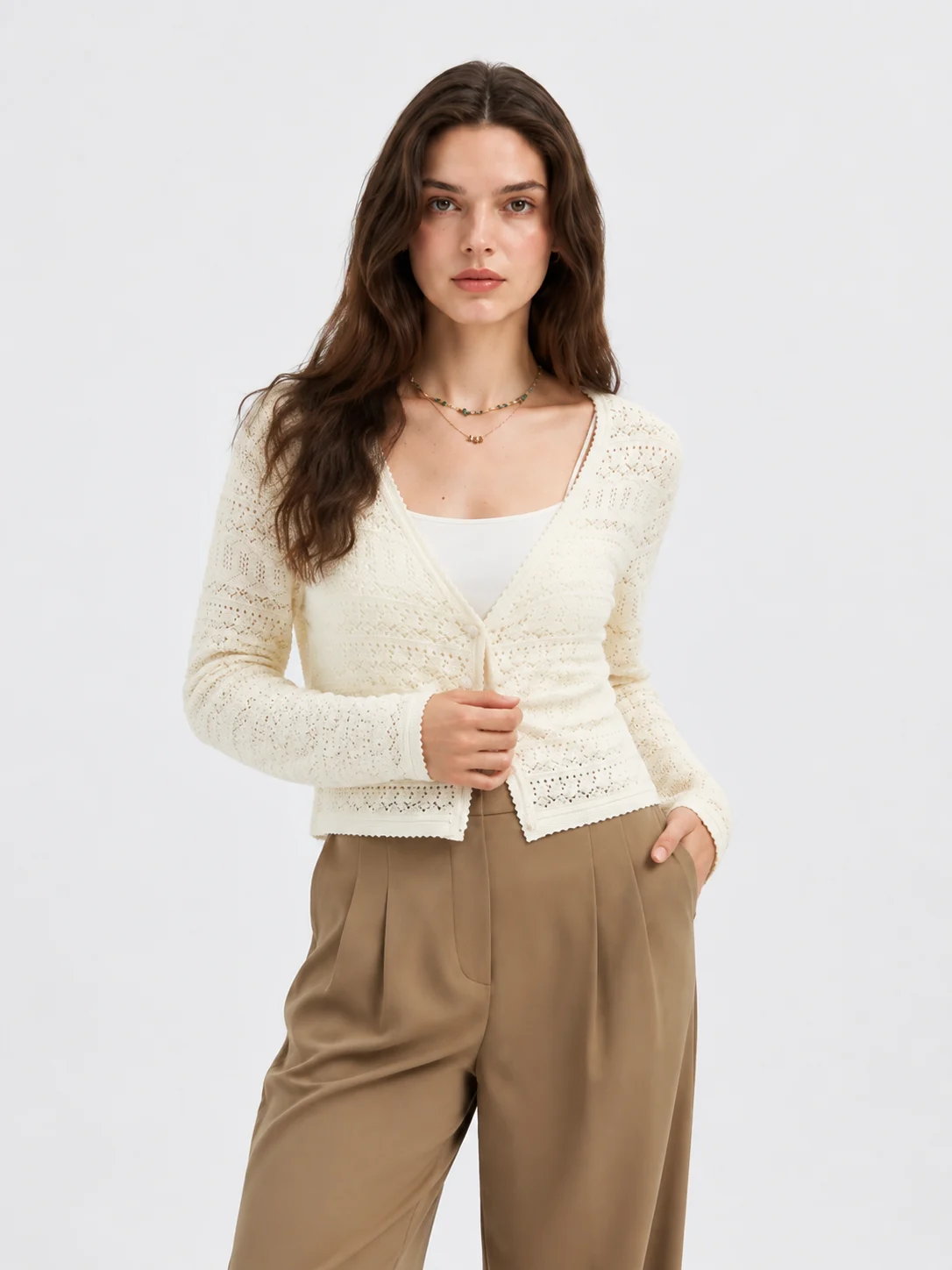
For a smaller label, a supplier that supports factory sampling can reduce the cost of discovering problems after production. lpknit focuses on merino, cashmere, and mohair sweaters and supports low-MOQ development for boutique and private-label collections. Brands can review the lpknit knitwear product range or compare the fine-knit round-neck cardigan with other construction directions.
The lpknit knitwear journal is also a useful place to organize sourcing notes around yarn, sample development, and seasonal product decisions. For a fuzzy seasonal style, the mohair long-sleeve knit sweater shows why surface appearance and pilling expectations should be discussed together.
FAQ: Pilling and Colorfastness Testing
How do you test a knitwear sample for pilling at home?
Rub or wear one sample under a fixed procedure, wash a second sample according to the care label, and compare both with an untreated control. Photograph the underarm, side seam, cuff, and front body under consistent light. A home screen identifies obvious problems but cannot replace ISO laboratory testing.
Which pilling test method is best for sweaters?
There is no single best method for every sweater. Martindale suits controlled abrasion, random tumble suits loose-fiber entanglement and garment contact, and the pilling box supports standardized tumbling comparison. Select the method that matches the sweater’s expected use, then use the same method for every factory revision.
How do you test colorfastness to washing?
Wash the sample with specified detergent, temperature, agitation, and drying conditions, then assess both color change and staining on adjacent fabrics. Use the intended care label for an early screen. A laboratory should apply a recognized method such as AATCC TM61 or an applicable ISO 105 washing method.
How do you test colorfastness to rubbing?
Rub the dyed knitwear surface with a standard white cloth under defined pressure and stroke conditions. Test both dry and wet rubbing because moisture can increase dye transfer. Record the method and grade separately for each color and garment zone.
What colorfastness rating should premium knitwear achieve?
A practical starting target is grade 4 or higher for washing, dry rubbing, and staining, with the exact requirement recorded in the technical pack. Dark or saturated colors may require stricter controls. The buyer should confirm whether the lab reports color change, staining, or both.
What pilling grade should a cashmere sweater achieve?
Many premium programs target grade 3.5-4.0 or higher, but the correct target depends on yarn, construction, finish, and product positioning. A soft brushed cashmere or mohair style may show some controlled surface change. Any tolerance should be agreed before approval and reflected in care communication.
Why does a merino sweater pill after washing?
Washing can loosen short surface fibers and increase fiber entanglement through heat, agitation, or tumble drying. Low twist, loose construction, and friction also contribute. Review the yarn structure and finishing process, then retest after changing the care method or factory treatment.
Can a factory sample pass while bulk production fails?
Yes. Bulk failure can occur when the yarn lot, dye lot, gauge, machine setting, finishing recipe, or garment-washing process changes. Retain the approved sample, link the test report to the purchase order, and check production samples before shipment.
Conclusion
A useful answer to “how to test pilling and colorfastness on knitwear samples” is to combine a controlled in-house screen with laboratory confirmation on the finished garment. Compare an untreated control, a washed sample, and a rubbed sample; choose the pilling method according to wear conditions; and set minimum grades before approving production.
Emily Carter is a knitwear quality consultant with 10 years of experience reviewing yarn specifications, garment samples, and factory corrective-action reports. Her sample reviews have covered merino, cashmere, and mohair programs for small fashion labels, including side-by-side comparisons of original and revised factory samples.
The technical references in this guide include ISO 12945 pilling methods, ISO 105 colorfastness methods, AATCC TM61:2013, and the European Union’s Regulation (EU) No 1007/2011. For boutique brands seeking low-MOQ knitwear development, contact lpknit about factory sampling and OEM production to discuss yarn, construction, testing, and seasonal collection requirements.
{
“@context”: “https://schema.org”,
“@type”: “FAQPage”,
“mainEntity”: [
{
“@type”: “Question”,
“name”: “How do you test a knitwear sample for pilling at home?”,
“acceptedAnswer”: {
“@type”: “Answer”,
“text”: “Rub or wear one sample under a fixed procedure, wash a second sample according to the care label, and compare both with an untreated control. Photograph the underarm, side seam, cuff, and front body under consistent light. A home screen identifies obvious problems but cannot replace ISO laboratory testing.”
}
},
{
“@type”: “Question”,
“name”: “Which pilling test method is best for sweaters?”,
“acceptedAnswer”: {
“@type”: “Answer”,
“text”: “There is no single best method for every sweater. Martindale suits controlled abrasion, random tumble suits loose-fiber entanglement and garment contact, and the pilling box supports standardized tumbling comparison. Select the method that matches the sweater’s expected use, then use the same method for every factory revision.”
}
},
{
“@type”: “Question”,
“name”: “How do you test colorfastness to washing?”,
“acceptedAnswer”: {
“@type”: “Answer”,
“text”: “Wash the sample with specified detergent, temperature, agitation, and drying conditions, then assess both color change and staining on adjacent fabrics. Use the intended care label for an early screen. A laboratory should apply a recognized method such as AATCC TM61 or an applicable ISO 105 washing method.”
}
},
{
“@type”: “Question”,
“name”: “How do you test colorfastness to rubbing?”,
“acceptedAnswer”: {
“@type”: “Answer”,
“text”: “Rub the dyed knitwear surface with a standard white cloth under defined pressure and stroke conditions. Test both dry and wet rubbing because moisture can increase dye transfer. Record the method and grade separately for each color and garment zone.”
}
},
{
“@type”: “Question”,
“name”: “What colorfastness rating should premium knitwear achieve?”,
“acceptedAnswer”: {
“@type”: “Answer”,
“text”: “practical starting target is grade 4 or higher for washing, dry rubbing, and staining, with the exact requirement recorded in the technical pack. Dark or saturated colors may require stricter controls. The buyer should confirm whether the lab reports color change, staining, or both.”
}
},
{
“@type”: “Question”,
“name”: “What pilling grade should a cashmere sweater achieve?”,
“acceptedAnswer”: {
“@type”: “Answer”,
“text”: “Many premium programs target grade 3.5-4.0 or higher, but the correct target depends on yarn, construction, finish, and product positioning. A soft brushed cashmere or mohair style may show some controlled surface change. Any tolerance should be agreed before approval and reflected in care communication.”
}
},
{
“@type”: “Question”,
“name”: “Why does a merino sweater pill after washing?”,
“acceptedAnswer”: {
“@type”: “Answer”,
“text”: “Washing can loosen short surface fibers and increase fiber entanglement through heat, agitation, or tumble drying. Low twist, loose construction, and friction also contribute. Review the yarn structure and finishing process, then retest after changing the care method or factory treatment.”
}
},
{
“@type”: “Question”,
“name”: “Can a factory sample pass while bulk production fails?”,
“acceptedAnswer”: {
“@type”: “Answer”,
“text”: “Yes. Bulk failure can occur when the yarn lot, dye lot, gauge, machine setting, finishing recipe, or garment-washing process changes. Retain the approved sample, link the test report to the purchase order, and check production samples before shipment.”
}
}
]
}