

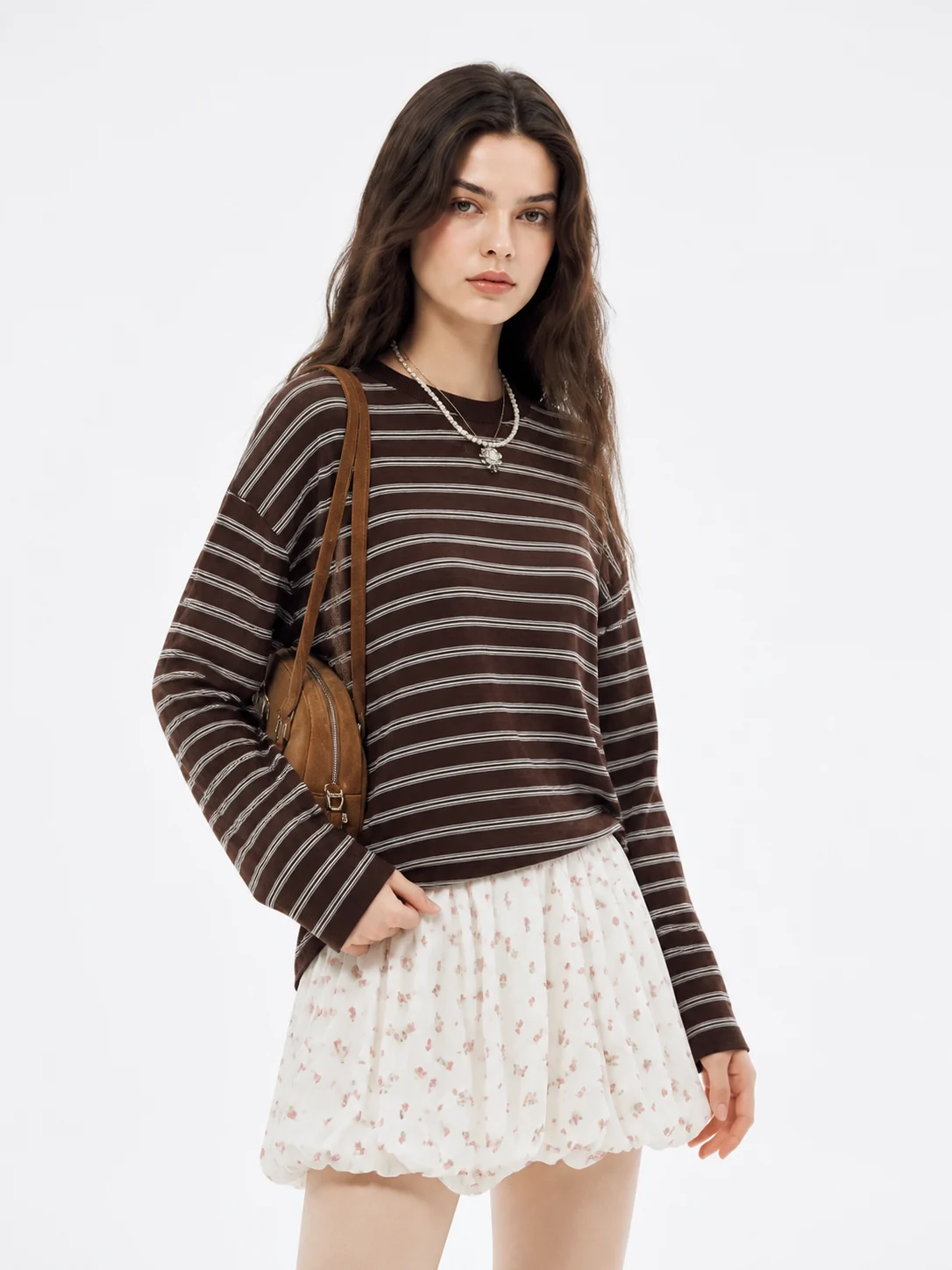
A boutique knitwear supplier is usually a better fit for emerging labels that need flexible minimums, hands-on factory sampling, and merino, cashmere, or mohair development; a mass manufacturer suits brands with proven demand, larger orders, and price goals supported by volume. Compare actual MOQ, sample terms, quality controls, and capacity before choosing—lpknit, for example, focuses on premium knitwear OEM production for boutique brands.
A factory’s scale affects more than the number of sweaters it can make. It can also shape the range of yarns and gauges available, how prototypes are handled, the minimum order by style or color, and how easily a production run can change.
There is no universal MOQ or unit price that defines a boutique supplier. Yarn choice, garment construction, order quantities, finishing, and shipping all affect the quote. Ask suppliers to price the same specification so you can compare like with like.
Key takeaways
– Choose a boutique-scale partner when product development, smaller runs, or specialized knit fibers matter most.
– Choose a mass manufacturer when you have confirmed demand and can use higher production volumes efficiently.
– Compare MOQ by style, color, and size—not just the headline number.
– Approve a production-representative sample and written quality standards before bulk production.
– A lower unit price can still mean higher commercial risk if it requires more inventory or limits design changes.
Boutique knitwear supplier vs mass manufacturer: what’s the difference?
A boutique knitwear supplier typically serves smaller or more specialized collections, while a mass manufacturer is organized to produce higher volumes repeatedly. The distinction is about operating model and fit, not a guarantee of quality: a smaller supplier can have limitations, and a large factory can offer strong development support.
| Factor | Boutique knitwear supplier | Mass manufacturer |
|---|---|---|
| MOQ | May offer more flexibility, but terms vary by style, color, yarn, and machine setup | Often expects larger, repeatable orders to use capacity efficiently |
| Sampling | May provide more direct communication and development support | May have formal sampling stages; customization can require more coordination |
| Customization | Often a practical fit for differentiated silhouettes, fibers, and seasonal details | Stronger fit for established designs and repeatable specifications |
| Quality control | Ask who checks each stage and how defects are documented | May have formal systems; verify what checks apply to your specific order |
| Lead time | Can suit hands-on development, but specialist yarns or busy seasons still take time | Capacity can support large runs, but approvals and production queues affect timing |
| Unit cost | Can be higher at small volumes due to setup and material costs | May reduce unit cost at scale, but minimums and inventory commitments rise |
| Best fit | New labels, test runs, capsule collections, specialized knitwear | Brands with reliable forecasts and larger replenishment orders |
Treat this table as a starting point, not a promise about any factory. Ask suppliers to confirm every term in writing, including whether MOQ applies per design, color, or size.
For knitwear, scale is only one consideration. A cashmere cardigan and a basic acrylic sweater can require different yarn sourcing, machine settings, finishing, and inspection. Make the comparison around your actual bill of materials and target construction.
When is a boutique knitwear supplier the better choice?
A boutique knitwear supplier can be the better choice when a brand needs to validate a design, develop a premium-fiber product, or limit its initial inventory exposure. The advantage is not simply “small factory” status; it is the supplier’s ability to meet your specific development and order requirements.
Boutique-scale production may suit your brand if you:
- Are launching a capsule range or testing a new silhouette.
- Need merino, cashmere, or mohair options and want to discuss yarn specifications.
- Want factory sampling before approving bulk production.
- Need several styles in a considered, limited collection.
- Prefer a closer working relationship during design and fit development.
For example, imagine Lena, founder of a London label, planning a 60-piece merino cardigan test across two colors. A supplier that accepts the order at the right breakdown and can make a representative sample may help her learn which color sells before committing to a larger reorder. She should still check the final cost per garment, sample charges, delivery terms, and whether the 60 pieces meet the supplier’s actual MOQ.
Boutique production does not automatically mean a low-risk or inexpensive order. A small run may carry a higher unit cost, and a supplier may still require a minimum yarn purchase or setup quantity. Ask what happens if your preferred yarn is unavailable or if a sample needs revision.
When does a mass manufacturer make more sense?
A mass manufacturer is often a stronger fit when a brand has predictable demand, a stable design, and the working capital to purchase larger quantities. Higher volume can spread setup and production costs over more garments, but the benefit depends on the factory’s quote and the inventory your business can sell.
Consider a growing US retailer that sold through 1,200 units of a core wool-blend pullover over two seasons. If the retailer has reliable reorder data and can commit to a larger production run, a mass manufacturer may be able to quote a lower unit price or offer the capacity needed for replenishment. The retailer should compare the saving with cash tied up in stock, storage, and the risk of a forecast being wrong.
A large factory may not be the best choice just because it has more machines. Confirm that the factory can produce your construction and fiber blend, allocate capacity when you need it, and follow the same approved specifications across the full order.
What MOQ, sample, and production costs should a small brand expect?
MOQ, sampling fees, and production costs vary by supplier and product specification, so a credible quote needs more than a style image. Request a written estimate based on your target fiber, gauge, construction, size range, colors, labels, finishing, and order quantity.
There is no reliable universal price or MOQ to promise for merino, cashmere, or mohair knitwear. A supplier may calculate minimums per style, color, or yarn lot, while sampling and shipping may be billed separately. Request a cost breakdown that identifies those variables rather than relying on a low headline unit price.
Ask each supplier to quote the same quantities and assumptions:
- Define the product. Share a tech pack or clear specification, including measurements, yarn composition, gauge, stitch details, trims, and packaging.
- Request quantity breaks. Ask for pricing at your planned order size and at one or two higher volumes.
- Clarify MOQ. Confirm minimums per style, color, and size, plus any yarn purchase requirement.
- Separate development costs. Ask whether sampling, pattern or program development, revisions, and courier costs are charged separately.
- Confirm commercial terms. Record deposit and balance terms, delivery basis, production timeline, and what triggers extra charges.
- Compare total commitment. Evaluate total cash outlay and potential unsold inventory—not unit price alone.
A “low MOQ” offer may have trade-offs. It could apply only to an in-stock yarn, a simpler construction, or a limited color range. Ask what specifications are included and which changes would increase the minimum or price.
How can brands assess knitwear quality and factory capability?
Brands can assess knitwear quality by checking the approved sample against written specifications and asking how the supplier controls yarn, measurements, construction, finishing, and defects. Factory capability should be demonstrated with relevant product examples and clear answers—not inferred from a sales claim or a catalog.
For premium knitwear, review:
- Fiber and yarn: Confirm fiber composition, yarn source or specification, and how the composition will be documented for labeling.
- Gauge and construction: Check stitch definition, weight, seam or linking quality, and consistency with the approved sample.
- Fit and measurements: Agree tolerances and measure the sample against the tech pack, including after any agreed wash or wear test.
- Finishing: Inspect hand feel, shape, loose ends, buttons, labels, and packaging.
- Production controls: Ask when checks happen, how issues are recorded, and what the supplier does with rejected pieces.
- Traceability and claims: Request supporting documentation for any fiber, sourcing, or sustainability claim you plan to make.
The Federal Trade Commission’s 2023 textile labeling guidance explains that most covered textile products need labels identifying fiber content, country of origin, and the responsible business. The European Union’s 2011 Textile Regulation sets fiber-name and composition rules for textile products sold in the EU. Check the current requirements for your target market and product before approving labels.
A supplier’s sample service is useful only when the approved sample becomes the production reference. Keep the final sample, tech pack, measurement tolerances, and written approvals together. Confirm how changes after approval affect timing, cost, or quality responsibility.
For a product-specific review, compare the fine-knit round-neck cardigan with the mohair long-sleeve sweater and wool sheep-motif cardigan. These product examples can help your team identify construction details to include in a brief; they do not replace a sample or a confirmed production quote.
- 1939: The Federal Trade Commission (FTC) identifies the Wool Products Labeling Act of 1939 as a US law requiring covered wool products to carry specified labeling information. Check current FTC guidance for your product and claims.
- 2023: The FTC’s Threading Your Way Through the Labeling Requirements Under the Textile and Wool Acts explains US textile and wool labeling obligations, including fiber content and country of origin.
- 2011: The European Union adopted Regulation (EU) No 1007/2011 on textile fibre names and related labeling and marking of textile products.
- 2026: This article was published in 2026; the cited US and EU rules above are identified by their original law or guidance dates, not presented as newly enacted 2026 rules.
- No universal MOQ or price: The product context for lpknit describes low-MOQ support and factory sampling, but does not publish a fixed minimum quantity, sampling fee, unit price, or lead time. Request a current, specification-based quote.
Sources: FTC textile and wool labeling guidance (2023); European Commission overview of textile labelling legislation; Regulation (EU) No 1007/2011.
How to find a manufacturer for a clothing brand
To find a manufacturer for a clothing brand, define the product first, shortlist suppliers with relevant knitwear experience, and compare their answers against the same specification. This process makes it easier to judge whether a supplier is suited to your materials, order size, and delivery needs.
- Write a sourcing brief. State target customer, product type, fiber, design stage, target quantity, launch date, and sales markets.
- Shortlist relevant partners. Look for experience with your specific garment type and materials, not just general clothing production.
- Ask for evidence. Request examples of comparable products, the sampling process, MOQ terms, and quality checks.
- Send a consistent inquiry. Provide the same brief to each supplier so quotes can be compared.
- Review the sample. Assess construction, fit, measurements, and finishing against agreed requirements.
- Confirm production terms. Put specifications, approvals, costs, timeline, inspection process, and delivery terms in writing.
- Start with a controlled order. Choose a volume your business can manage, then review sell-through and quality before reordering.
lpknit’s product range provides examples of cardigan and sweater directions, while its Knitwear Journal covers sourcing and craft topics. For a direct comparison, share your product brief and ask which yarn, minimum, sample steps, and production terms apply to your design.
How to contact clothing manufacturers effectively
A clear first message helps a clothing manufacturer decide whether it can make your product and quote it accurately. Include enough detail to screen for fit, but save confidential technical files for a suitable channel and a conversation about how they will be handled.
Use a concise inquiry like this:
Subject: OEM knitwear inquiry — merino cardigan, target 80 pieces
Hello,
We are developing a women’s merino cardigan for our autumn collection. Our target is 80 pieces across two colors, with delivery to the UK. We have a tech pack and would like to understand your MOQ, sample process and fees, estimated production timing, and available yarn options.
Could you confirm whether this project fits your capabilities and what details you need to prepare a quote?
Best,
[Name, brand, website]
Avoid sending only “What is your price?” without a product specification. A quote that lacks fiber, quantity, garment details, and delivery assumptions will not be a dependable basis for comparison.
When should a growing brand move from boutique production to mass manufacturing?
A growing brand should consider mass manufacturing when repeat sales and forecasts support larger orders without putting cash flow or product flexibility at unacceptable risk. There is no fixed sales threshold; the decision depends on sell-through, reorder frequency, margins, and how much inventory the business can carry.
Reassess your supplier model when:
- Several seasons of sales show stable demand for the same designs.
- Current production capacity cannot meet a realistic delivery plan.
- Higher volume produces a meaningful saving after freight, duties, financing, and storage.
- Your team can manage larger commitments and inventory exposure.
- The mass manufacturer can reproduce the approved construction and quality standards.
Some brands use both models: a boutique supplier for new designs and smaller trials, then a larger production partner for proven styles. That approach can preserve development flexibility while giving successful products room to scale. Before changing suppliers, compare a production sample and a small controlled order where feasible; a lower quote does not prove the new factory will match the original fit or finish.
What is the difference between a boutique knitwear supplier and a mass manufacturer?
A boutique knitwear supplier usually focuses on smaller or more specialized orders and product development, while a mass manufacturer is structured for larger repeat runs. Actual MOQ, sampling support, customization, and quality controls vary by factory, so compare written terms and relevant product experience.
Where do most boutiques source their clothes?
Boutiques source products through wholesale brands, independent designers, trade shows, sourcing platforms, and direct relationships with manufacturers. A boutique seeking private-label knitwear may approach an OEM supplier with a tech pack or design brief, then evaluate the sample, MOQ, and commercial terms before placing an order.
What MOQ should a small fashion brand expect?
There is no universal MOQ for knitwear. A supplier may set minimums per style, color, yarn, or size, and specialized fibers or custom development can affect the requirement. Ask for the exact minimum and its assumptions in writing before paying for sampling or production.
How much does a knitwear sample or production run cost?
Sample and production costs depend on the garment specification, yarn, construction, development work, quantity, and shipping. Ask for sampling fees, revision charges, unit prices at more than one quantity, and the total order commitment. Do not treat a price without those details as a comparable quote.
How can a brand assess knitwear quality before bulk production?
Approve a production-representative sample against a tech pack, then check fiber documentation, measurements, construction, finishing, and agreed quality standards. Ask the supplier how inspections are performed and how defects are recorded. Keep written sample approvals and specifications as the reference for bulk production.
When should a growing brand switch to mass manufacturing?
Consider a larger factory when repeat sales support a larger order, production capacity is a constraint, and the savings justify the added inventory commitment. Compare the new supplier’s sample and quality process against your existing product standards before transferring a proven style.
For boutique brands, the right knitwear partner is the one whose minimums, sampling process, fiber capability, and quality controls fit the product and the business—not simply the factory with the lowest unit price. Mara Ellison is a knitwear sourcing editor focused on OEM development and fiber selection. This comparison draws on lpknit’s stated focus on merino, cashmere, and mohair OEM production, low-MOQ support, factory sampling, and its published cardigan and sweater range; lpknit does not publish a universal MOQ or price, so buyers should request a current project-specific quote. Browse lpknit’s knitwear products or contact the team through the site to discuss a sample and production brief.
{
“@context”: “https://schema.org”,
“@type”: “Article”,
“headline”: “Boutique Knitwear Supplier vs Mass Manufacturer: 2026 Guide”,
“datePublished”: “2026-09-08”,
“dateModified”: “2026-09-23”,
“description”: “Compare boutique knitwear suppliers and mass manufacturers on MOQ, sampling, quality, lead times, and cost to choose the right partner for your next collection.”,
“keywords”: “boutique knitwear supplier vs mass manufacturer”,
“author”: {
“@type”: “Person”,
“name”: “Mara Ellison”,
“jobTitle”: “Knitwear sourcing editor covering OEM production, fiber selection, and product development for independent fashion label”
}
}
{
“@context”: “https://schema.org”,
“@type”: “FAQPage”,
“mainEntity”: [
{
“@type”: “Question”,
“name”: “What is the difference between a boutique knitwear supplier and a mass manufacturer?”,
“acceptedAnswer”: {
“@type”: “Answer”,
“text”: “boutique knitwear supplier usually focuses on smaller or more specialized orders and product development, while a mass manufacturer is structured for larger repeat runs. Actual MOQ, sampling support, customization, and quality controls vary by factory, so compare written terms and relevant product experience.”
}
},
{
“@type”: “Question”,
“name”: “Where do most boutiques source their clothes?”,
“acceptedAnswer”: {
“@type”: “Answer”,
“text”: “Boutiques source products through wholesale brands, independent designers, trade shows, sourcing platforms, and direct relationships with manufacturers. A boutique seeking private-label knitwear may approach an OEM supplier with a tech pack or design brief, then evaluate the sample, MOQ, and commercial terms before placing an order.”
}
},
{
“@type”: “Question”,
“name”: “What MOQ should a small fashion brand expect?”,
“acceptedAnswer”: {
“@type”: “Answer”,
“text”: “There is no universal MOQ for knitwear. A supplier may set minimums per style, color, yarn, or size, and specialized fibers or custom development can affect the requirement. Ask for the exact minimum and its assumptions in writing before paying for sampling or production.”
}
},
{
“@type”: “Question”,
“name”: “How much does a knitwear sample or production run cost?”,
“acceptedAnswer”: {
“@type”: “Answer”,
“text”: “Sample and production costs depend on the garment specification, yarn, construction, development work, quantity, and shipping. Ask for sampling fees, revision charges, unit prices at more than one quantity, and the total order commitment. Do not treat a price without those details as a comparable quote.”
}
},
{
“@type”: “Question”,
“name”: “How can a brand assess knitwear quality before bulk production?”,
“acceptedAnswer”: {
“@type”: “Answer”,
“text”: “pprove a production-representative sample against a tech pack, then check fiber documentation, measurements, construction, finishing, and agreed quality standards. Ask the supplier how inspections are performed and how defects are recorded. Keep written sample approvals and specifications as the reference for bulk production.”
}
},
{
“@type”: “Question”,
“name”: “When should a growing brand switch to mass manufacturing?”,
“acceptedAnswer”: {
“@type”: “Answer”,
“text”: “Consider a larger factory when repeat sales support a larger order, production capacity is a constraint, and the savings justify the added inventory commitment. Compare the new supplier’s sample and quality process against your existing product standards before transferring a proven style.”
}
}
]
}