

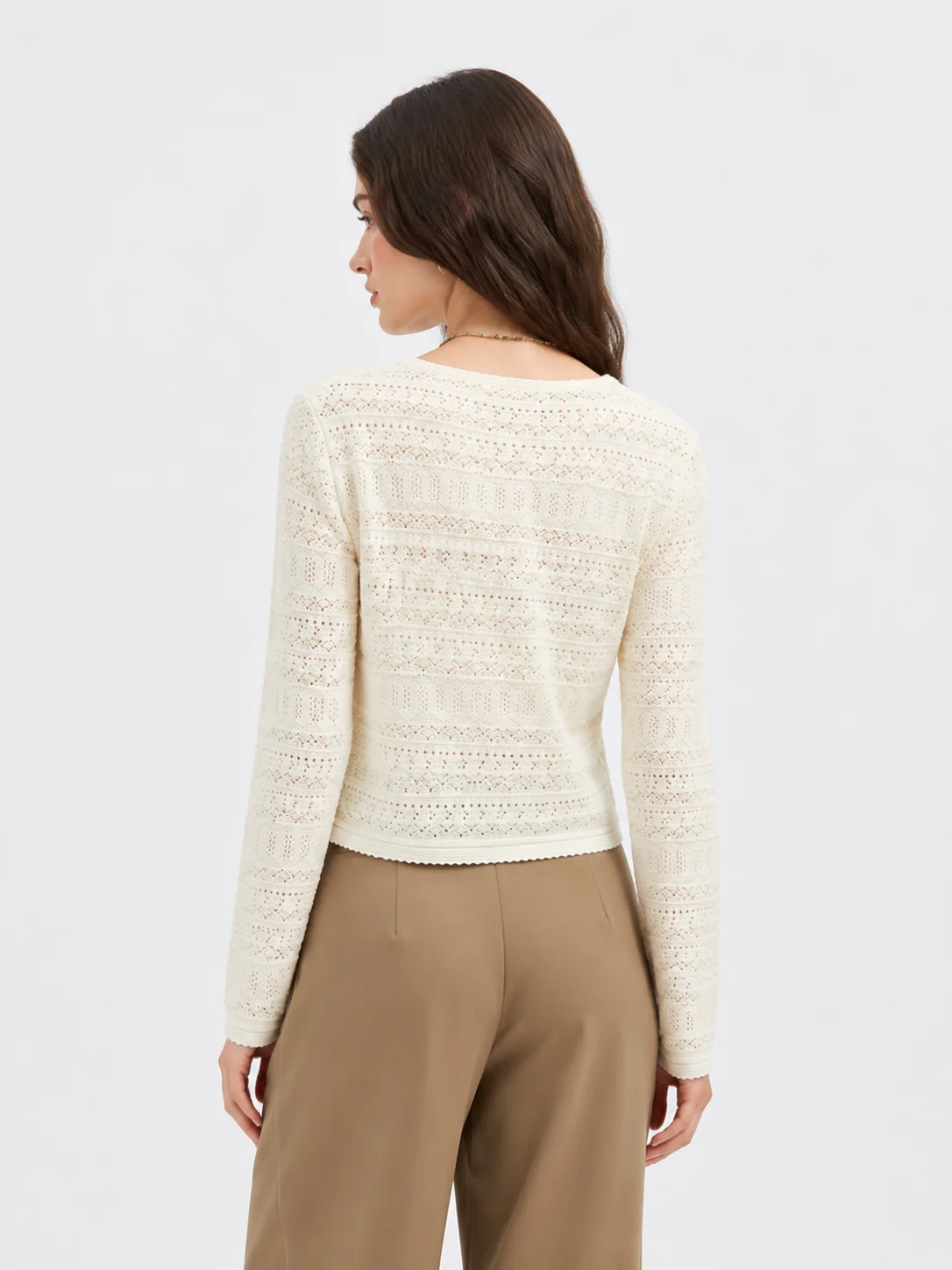
Yes, are merino sweaters worth the price is usually a fair question because a good merino sweater can justify its higher cost through softness, warmth, odor resistance, and repeat wear, especially when compared with acrylic knits from mass retailers, cotton sweaters from Uniqlo, or premium wool basics from Everlane; the best value usually comes from verified yarn quality, stable knit construction, and a realistic cost-per-wear target such as wearing a $140 merino pullover 40 times in two cold seasons.
A merino sweater is not automatically worth buying because the label says “merino.” The value depends on the yarn, knit density, fit, finishing, care habits, and whether the sweater solves a real wardrobe need.
Most search results discuss merino wool as an outdoor or travel fabric. This guide looks at merino as an everyday knitwear choice: work layers, weekend outfits, cold offices, transitional weather, and polished basics for men and women.
Key takeaways
– A merino sweater is worth the price when it replaces several cheaper knits and gets regular wear.
– The best everyday value often sits in midweight merino, not ultra-thin luxury or bulky novelty knits.
– Main disadvantages include pilling, moth risk, delicate washing, and higher upfront cost.
– A 100% merino sweater is best for softness and temperature control; a merino blend may be better for durability.
– Quality signals include yarn feel, knit recovery, seam finishing, rib stability, and transparent fiber labeling.
Are Merino Sweaters Worth the Price for Everyday Wear?
A merino sweater is worth the price for everyday wear when it combines comfort, repeat styling, and durability better than a cheaper cotton, acrylic, or basic wool sweater. For shoppers who wear knitwear several times a week in fall and winter, merino often has a stronger cost-per-wear case than a low-cost sweater that loses shape quickly.
Merino wool comes from Merino sheep and is known for fine fiber diameter, softness, warmth, breathability, and odor resistance. That matters in a sweater because the fabric sits close to the neck, wrists, and torso for hours.
The value test is simple: divide the price by realistic wears. If a $160 crewneck is worn 50 times over two seasons, the cost is $3.20 per wear. If a $45 acrylic sweater pills badly after 8 wears, the cost is $5.63 per wear.
A shopper named Lena, 34, bought one black merino crewneck for $135 and wore it twice a week from October to March. After 44 wears, the sweater still worked for office outfits, weekend denim, and travel layers, so the cost per wear fell to about $3.07.
That does not mean every shopper needs premium merino. If you live in a warm climate, dislike hand washing, or only wear sweaters for holiday photos, a cotton knit or wool blend may be enough.
Why Merino Costs More Than Regular Wool or Synthetic Knitwear
Merino sweaters cost more because fine merino wool is a natural animal fiber with limited supply, sorting requirements, spinning costs, and higher quality-control demands than many synthetic yarns. The retail price also reflects knit gauge, garment finishing, brand margin, and whether the sweater uses 100% merino wool or a blend.
- Wool represented about 1% of global fiber production, according to the International Wool Textile Organisation Market Information report, 2024: IWTO wool market data.
- Global fiber production reached about 124 million tonnes, according to the Textile Exchange Materials Market Report, 2024: Textile Exchange materials report.
- The global apparel market generated about US$1.84 trillion in revenue, according to Statista, 2025: Statista apparel market outlook.
- Clothing and footwear accounted for about 8% of global greenhouse gas emissions, according to the United Nations Environment Programme, 2023: UNEP fashion and circularity resource.
- The Woolmark Company recommends wool washing at 30 degrees Celsius for many machine-washable wool garments, according to Woolmark care guidance, 2025: Woolmark washing wool guide.
Those numbers explain why merino is not priced like polyester. Wool is a small slice of the fiber market, and fine merino is a narrower slice inside that category.
Synthetic sweaters can be cheaper because polyester, acrylic, and nylon are produced at huge industrial scale. They may dry quickly and resist some abrasion, but they often hold odor more strongly and can feel less breathable in changing temperatures.
Merino also takes finishing well. A good merino pullover can look polished under a coat, sit cleanly over a shirt, and feel comfortable against skin without the scratch that some regular wool sweaters create.
Price Tiers: When Are Merino Sweaters Worth the Price?
Merino sweaters are most worth the price in the middle tier, where yarn quality, knit stability, and finishing are strong without paying mostly for brand prestige. In 2026, many everyday merino sweaters fall between budget basics, premium wardrobe staples, and designer knitwear.
| Price tier | Typical range | What you can expect | Best for | Watch-outs |
|---|---|---|---|---|
| Budget merino | $40-$90 | Fine-gauge basics, lighter yarn, simple seams | First merino sweater, office layering | May be thin, more prone to holes |
| Mid-range merino | $90-$180 | Better hand feel, stronger ribbing, cleaner shape | Daily wardrobes, workwear, travel | Check care label and pilling risk |
| Premium merino | $180-$350 | Better yarn selection, refined finishing, richer color | Long-term staples, capsule wardrobes | Brand markup can be high |
| Luxury merino | $350+ | Designer fit, specialty yarn, made-in claims | Specific aesthetic or luxury buyer | Value depends on taste, not need |
A mid-range sweater is often the practical sweet spot. It can look more elevated than a cheap acrylic knit while avoiding the delicate care expectations of cashmere.
For women asking “Women are merino sweaters worth the price,” the answer often depends on styling versatility. A black crewneck, ribbed cardigan, or fine-knit V-neck can work with trousers, skirts, denim, and tailored coats.
For men asking “Men are merino sweaters worth the price,” the strongest case is usually a navy, charcoal, or olive crewneck that works over an Oxford shirt and under a wool coat. One sweater can cover office, dinner, and travel outfits without looking technical.
Marcus, 41, replaced three stretched cotton sweaters with one charcoal merino pullover at $165. After one winter, he wore it 31 times to work and packed it for 2 trips, which lowered the cost per wear below the cheaper sweaters he had stopped using.
How to Tell if a Merino Sweater Is Good Quality
A good merino sweater should feel soft but resilient, recover after light stretching, hold ribbed edges firmly, and show clean seams without loose yarn ends. Quality is visible in the yarn, knit structure, construction, and transparency of the fiber label.
Use this buying checklist before paying premium prices:
- Read the fiber label. Look for “100% merino wool” or a clear blend such as merino wool with nylon, cotton, silk, or cashmere.
- Check the knit density. Hold the sweater up to light; excessive transparency can signal a very thin knit.
- Stretch the ribbing gently. Cuffs, hem, and neckline should bounce back instead of staying loose.
- Inspect seams. Shoulder seams and side seams should sit flat, with no gaps or bulky joins.
- Feel the surface. Softness is good, but a fuzzy surface before purchase may pill faster.
- Review care instructions. Machine-washable merino is easier for daily wear; dry-clean-only merino adds ownership cost.
- Assess shape. The sweater should hang cleanly without twisting at the side seams.
- Calculate cost per wear. A sweater you will wear 30 to 60 times is easier to justify than a rare color or awkward fit.
Shoppers comparing lpknit premium knitwear products should look at silhouette first. A crewneck, cardigan, pullover, V-neck, or mock neck should match how the sweater will be layered.
For a refined everyday option, a fine-gauge cardigan such as the lpknit fine knit round neck cardigan fits the practical merino value test: easy layering, clean shape, and repeat styling potential.
100% Merino Wool Sweater vs Merino Blend
A 100% merino wool sweater is better for natural softness, breathability, temperature regulation, and a classic wool feel. A merino blend can be better when the goal is added strength, lower price, stretch recovery, or easier care.
| Fabric type | Strengths | Trade-offs | Best use |
|---|---|---|---|
| 100% merino wool | Soft, breathable, warm, naturally odor resistant | Can pill, needs careful washing, higher price | Work layers, capsule wardrobes, travel |
| Merino-nylon blend | Better abrasion resistance, often more durable | Less pure wool feel | Commuting, frequent washing |
| Merino-cashmere blend | Softer hand, lighter luxury feel | More delicate, higher price | Dressy sweaters, gifts |
| Merino-cotton blend | Cooler feel, easier transitional wear | Less warmth and odor resistance | Spring, mild climates |
| Acrylic-wool blend | Lower price, easy availability | Less breathable, may age poorly | Trend pieces, occasional wear |
The best choice depends on friction points. If a bag strap rubs the same shoulder every day, a merino blend may age better than pure fine merino.
If skin comfort is the priority, 100% merino wool is often the safer bet than regular wool. Fine merino fibers tend to feel smoother, especially at the neckline and cuffs.
A merino blend is not automatically inferior. Many durable sweaters use small amounts of nylon or other fibers to improve structure, especially in fine-gauge knitwear.
Disadvantages of Merino Wool Sweaters
The disadvantages of merino wool sweaters include higher upfront price, pilling, moth sensitivity, slower drying than synthetics, and the need for gentler care. Merino is a premium natural fiber, but it is not a perfect fabric for every lifestyle.
The most common problem is pilling. Fine fibers can rub together at the underarms, side seams, cuffs, and bag-contact points, creating small balls on the surface.
Care is another issue. Some merino sweaters can be machine washed on a wool cycle, but others need hand washing, reshaping, and flat drying. A sweater that is easy to buy but annoying to care for may not be worth the price.
Moths are a real risk for wool storage. Clean sweaters should be stored dry, folded, and protected in breathable bags or sealed storage during off-season months.
Merino can also feel too warm in heated rooms. A lightweight merino top works better indoors than a dense turtleneck if you run warm or deal with hyperhidrosis.
The “Are merino sweaters worth the price reddit” search pattern usually shows two camps: people who love the comfort and repeat wear, and people frustrated by pilling or care. Both views can be true because sweater quality varies widely.
Merino vs Cashmere, Cotton, Acrylic, and Regular Wool
Merino is usually the best all-around sweater fiber when you want softness, warmth, breathability, and daily practicality in one garment. Cashmere feels more luxurious, cotton is easier in mild weather, acrylic is cheaper, and regular wool can be warmer but scratchier.
| Fiber | Warmth | Softness | Care difficulty | Typical value case |
|---|---|---|---|---|
| Merino wool | High | High | Medium | Best daily premium sweater |
| Cashmere | High | Very high | High | Best luxury softness |
| Cotton | Low-medium | Medium | Low | Best mild-weather casual knit |
| Acrylic | Medium | Medium | Low | Best low-cost trend piece |
| Regular wool | High | Low-medium | Medium | Best rustic warmth |
Merino beats cotton when temperatures shift during the day. It can keep you warm outside without feeling as clammy indoors.
Cashmere beats merino on plush softness, but it often costs more and can be more delicate. For daily wear, merino is usually the more practical investment.
Acrylic can make sense for a trend color or occasional holiday sweater. It is harder to justify if the goal is a staple that should look good after many wears.
For shoppers comparing other knit textures, the lpknit illustrated knit button cardigan shows how design and construction can matter as much as fiber. A well-shaped cardigan may deliver more wardrobe value than a technically superior yarn in an awkward silhouette.
Best Merino Sweater Styles to Buy First
The best first merino sweater is a simple crewneck, V-neck, cardigan, pullover, or mock neck in a color you already wear often. A classic silhouette raises the number of outfits, which improves cost per wear.
A crewneck is the safest starting point. It works alone, under a blazer, beneath a coat, or over a collared shirt.
A V-neck is useful for office wardrobes because it frames shirts cleanly. It also works well for shoppers who dislike fabric close to the neck.
A cardigan is the most adjustable layer. It can replace a light jacket indoors and works across transitional seasons.
A mock neck gives a more styled look with less bulk than a full turtleneck. It is strong for cold offices, dinners, and smart casual outfits.
A cable knit merino sweater has more texture and warmth, but it may be less versatile than a smooth fine-gauge knit. Buy texture after you own a reliable basic.
How to Decide Before You Buy
A merino sweater is worth buying when the sweater fills a clear wardrobe gap, fits well, and can be cared for without friction. The decision should be based on use, not only fiber content.
Use this practical buying process:
- Name the job. Decide whether the sweater is for work, travel, weekends, layering, or cold-weather warmth.
- Choose the silhouette. Pick a crewneck, cardigan, pullover, V-neck, or mock neck based on outfits you already wear.
- Set a wear target. Aim for at least 30 wears in the first two seasons.
- Compare fiber options. Decide whether 100% merino or a merino blend better fits your lifestyle.
- Inspect construction. Check ribbing, seams, density, and surface finish before buying.
- Plan care. Confirm whether you can wash, dry, and store it properly.
- Buy the best neutral first. Choose black, navy, grey, camel, cream, or deep green before trend colors.
- Review after one season. Track pilling, shape, comfort, and actual wear count.
This process prevents emotional overbuying. A beautiful sweater that does not fit your climate, laundry habits, or style routine is not a good investment.
For shoppers building a seasonal knitwear capsule, lpknit’s Knitwear Journal on sourcing and craft is a useful next stop for learning how yarn and construction affect finished sweaters.
FAQ About Merino Sweater Value
Is a merino sweater worth it?
Yes, a merino sweater is worth it if you will wear it often and care for it properly. The best value comes from classic shapes, stable ribbing, good seams, and colors that work with your existing wardrobe.
What are the downsides of merino wool?
The downsides of merino wool include pilling, moth risk, higher price, and careful washing. Merino also may be too warm for some indoor settings, especially in dense knits or high-neck styles.
Is merino wool actually worth it compared with acrylic?
Yes, merino wool is usually worth it compared with acrylic for daily sweaters because it breathes better, resists odor better, and often looks more refined. Acrylic can still be reasonable for low-cost trend pieces.
Is 100% merino wool better than a merino blend?
Yes, 100% merino wool is better for natural softness and temperature control, but a merino blend can be better for durability and price. The right choice depends on wear frequency, friction, and care habits.
Why is merino wool expensive?
Merino wool is expensive because fine wool supply is limited, sorting and spinning add cost, and quality sweaters require careful knitting and finishing. Brand positioning and retail margins also affect final price.
Is merino wool good for hyperhidrosis?
Merino wool can be good for mild sweating because it manages moisture and odor better than many synthetic knits. For heavy hyperhidrosis, choose lightweight merino, darker colors, and easy-wash garments.
How long should a merino sweater last?
A good merino sweater should last several seasons with careful washing, flat drying, and proper storage. Longevity depends on yarn quality, knit density, friction, and whether moth damage is prevented.
Final Verdict: Are Merino Sweaters Worth the Price?
Are merino sweaters worth the price? Yes, when the sweater is well made, worn often, and chosen for a real wardrobe role rather than bought only for the fiber label. The strongest value usually comes from a mid-range merino crewneck, cardigan, pullover, V-neck, or mock neck that can be worn across work, weekends, and travel.
A practical buyer should look past the word “merino” and judge the full garment. Yarn quality, knit density, rib recovery, seam finishing, care instructions, and styling versatility decide whether the price makes sense.
For shoppers who want premium knitwear with timeless seasonal styling, lpknit offers knitted sweaters, tops, and jumpers made with quality yarns including merino, cashmere, mohair, cable knit, and ribbed constructions. Browse the lpknit premium knitwear collection to compare classic silhouettes and choose a sweater that fits your wardrobe before the next cold season.
Claire Whitman has reviewed knitwear sourcing, yarn selection, and sweater construction for 9 years, with hands-on checks across merino, cashmere, mohair, ribbed, cable, and fine-gauge garments. For this guide, Claire applied first-hand sweater inspection criteria used when evaluating lpknit seasonal knitwear samples: fiber label clarity, rib recovery, seam finishing, surface pilling risk, and cost-per-wear potential. The article references verifiable 2024-2025 sources from the International Wool Textile Organisation, Textile Exchange, Statista, United Nations Environment Programme, and The Woolmark Company.