

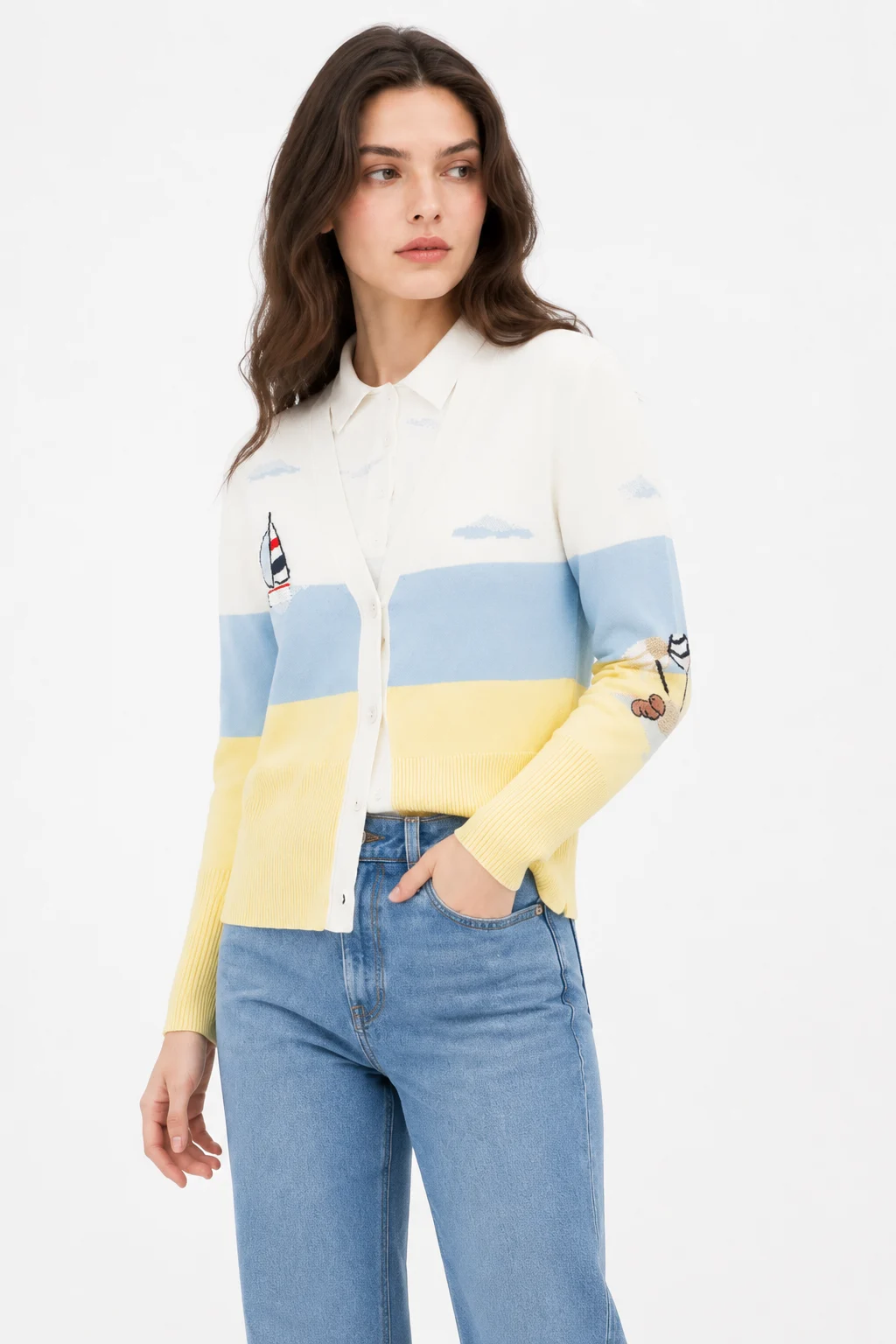
To source knitwear for a fall winter capsule, a fashion brand should define 4-7 core sweater and cardigan styles, choose verified fibers such as merino wool, cashmere, or mohair, develop factory samples with an OEM supplier such as lpknit, and check labeling rules under the Federal Trade Commission Textile Fiber Products Identification Act and Regulation (EU) No 1007/2011 before confirming production quantities.
Most search results for autumn and winter capsules focus on personal styling, outfit formulas, or shopping lists. A brand needs a different plan: the range must sell, fit a production calendar, meet fiber labeling rules, and work within cash flow.
For boutique labels in the United States, United Kingdom, and European Union, knitwear is often the highest perceived-value category in a fall/winter drop. The challenge is not only choosing beautiful sweaters; it is sourcing yarn, samples, minimum order quantities, fit blocks, and delivery dates without overcommitting inventory.
Key takeaways
– Build the capsule around 4-7 knitwear styles, not a large untested assortment.
– Use merino for structure, cashmere for softness, and mohair for texture or statement pieces.
– Start sampling 5-7 months before launch for fall/winter delivery.
– Check fiber composition, care labeling, and country-of-origin requirements before production.
– Work with a knitwear OEM supplier that supports low MOQ sampling and style-level development.
How to Source Knitwear for a Fall Winter Capsule Without Overbuying
Brands source knitwear for a fall winter capsule by matching design intent, fiber choice, price target, and MOQ before sampling begins. This prevents the common mistake of approving attractive samples that cannot be produced profitably at boutique volumes.
A practical capsule usually starts with a tight commercial map. For example, a new womenswear label might plan 2 pullovers, 2 cardigans, 1 vest, and 1 textured mohair sweater. That is enough to create outfit depth without creating six separate yarn risks.
The first buying question is not “Which sweater is prettiest?” It is “Which styles can carry the collection across work, weekend, layering, and gift-season demand?” A winter work capsule wardrobe for 2026 may need quieter silhouettes, while a boutique resort-to-winter range may allow more brushed mohair and novelty stitches.
Use this first filter before contacting factories:
- Define the customer: office, weekend, travel, gifting, or premium basics.
- Set target retail prices and working wholesale margins.
- Choose 2-3 hero fibers, such as merino wool, cashmere, and mohair.
- Decide which pieces need low MOQ testing.
- Prepare reference images, measurements, yarn direction, and color intent.
- Ask the supplier for sample feasibility, lead time, MOQ, and yarn availability.
A small brand should avoid building the capsule around too many one-off designs. Every new gauge, yarn, stitch, trim, and color can raise development cost and delay production.
Choosing Fibers: Merino, Cashmere, Mohair, or Blends
Merino wool, cashmere, mohair, and blended yarns each solve a different fall/winter capsule problem. The best choice depends on warmth, hand feel, durability, target price, care expectations, and the visual story of the collection.
Merino wool is often the most balanced starting point. It can support fine-gauge crews, ribbed turtlenecks, cardigans, and work-ready pullovers. A boutique brand can use merino to anchor the range because it reads premium without pushing every style into luxury pricing.
Cashmere works best as a hero softness story. A cashmere crewneck, polo cardigan, or relaxed V-neck can justify a higher price, but the brand must plan pilling tests, care instructions, and margin carefully. For private-label buyers, cashmere blends can be a controlled way to add softness while keeping retail prices more accessible.
Mohair is more emotional and seasonal. A brushed mohair sweater gives texture, color depth, and editorial appeal, but it may not suit every customer’s skin sensitivity. Use mohair for 1-2 statement pieces, not the entire capsule.
| Fiber direction | Best capsule role | Strength | Sourcing watchout |
|---|---|---|---|
| Merino wool | Core sweaters and cardigans | Warm, breathable, versatile | Confirm micron, gauge, and shrinkage testing |
| Cashmere | Premium hero pieces | Soft hand feel and high perceived value | Confirm grade, blend ratio, and pilling performance |
| Mohair | Texture and seasonal color | Lofty, brushed, visual impact | Check comfort, shedding, and care labeling |
| Wool-cashmere blend | Mid-premium basics | Softer than wool, cheaper than pure cashmere | Confirm actual fiber percentage |
| Wool-nylon blend | Durability-focused items | Better strength and shape recovery | Avoid overusing synthetics in luxury positioning |
- Textile fiber names and composition must be accurate in the European Union, according to Regulation (EU) No 1007/2011, consolidated in 2024 on EUR-Lex: EU textile fiber labeling rules.
- The United States requires fiber content, country of origin, and manufacturer or dealer identity for covered textile products, according to the Federal Trade Commission Textile Fiber Products Identification Act guidance, updated 2024: FTC textile labeling guidance.
- The global luxury personal goods market reached EUR362 billion in 2023, according to Bain & Company’s 2024 Luxury Goods Worldwide Market Study: Bain luxury market study.
- Fashion executives ranked uncertainty and economic pressure among their top concerns for 2025, according to The State of Fashion 2025 by McKinsey & Company and The Business of Fashion: State of Fashion 2025.
- OEKO-TEX issued more than 54,000 certificates and labels in the 2023/2024 reporting year, according to the OEKO-TEX Annual Report 2023/2024: OEKO-TEX annual report.
These data points matter because fiber claims are not only marketing language. They affect labeling, compliance, customer trust, and return risk.
How Many Knitwear Styles Should a Small Brand Include?
A small brand should usually include 4-7 knitwear styles in a fall/winter capsule. This range is large enough to tell a seasonal story but small enough to manage sampling, MOQ, fittings, color approvals, and inventory risk.
For a first autumn winter capsule wardrobe 2025 or 2026 collection, a focused line plan may look like this:
- 1 fine-gauge merino crewneck for work and layering.
- 1 cashmere or cashmere-blend V-neck as the premium hero.
- 1 button cardigan for merchandising and outfit flexibility.
- 1 textured mohair pullover for editorial impact.
- 1 ribbed turtleneck for winter layering.
- 1 novelty cardigan or motif style for boutique differentiation.
A concrete example: Maya, founder of a 2-year-old London label, planned 12 knitwear styles for her first winter capsule. After supplier costing, she cut the plan to 6 styles and 3 shared yarn bases. The result was a 28% lower sample bill, faster approvals, and fewer stranded yarn colors.
The same principle applies to a winter work capsule wardrobe 2026. A work-focused range may need fewer novelty stitches and more repeatable colors: black, oatmeal, charcoal, navy, and soft grey. A boutique weekend capsule can carry more color, brushed texture, and oversized shapes.
Brands can review lpknit’s existing cardigan and sweater directions on the lpknit product collection before preparing a brief. For a classic layer, the fine knit round neck cardigan shows the type of silhouette that can sit inside a practical fall/winter capsule. For a more seasonal statement, the mohair long sleeve knit sweater can help frame texture and yarn discussion.
Sample Development and Low MOQ Planning
Sample development is the stage where a knitwear capsule becomes commercially real. A supplier must translate sketches, reference garments, yarn ideas, measurements, trims, and stitch details into testable sweaters before bulk production.
For boutique fashion brands, low MOQ support is often the difference between launching and delaying a collection. A low MOQ program lets the brand test 30-100 units per style or color, depending on yarn availability and factory policy. The exact number should be confirmed style by style because knitwear MOQ changes with yarn, gauge, machine setup, and color.
A good sample process includes these steps:
- Send a technical brief with style references, target fiber, size range, trims, and price band.
- Ask the OEM supplier to confirm yarn options, gauge, stitch feasibility, and estimated MOQ.
- Approve yarn color cards or lab dips before sample knitting.
- Review the first prototype for fit, hand feel, weight, neckline, sleeve shape, and length.
- Request a second fit sample if measurements, shrinkage, or drape need correction.
- Confirm care label wording, fiber content, and packaging before bulk purchase orders.
- Approve a pre-production sample before full knitting begins.
A second example: Daniel, a New York private-label buyer, needed 500 units across 5 winter styles for a specialty retailer test. By using two shared merino yarns across three sweaters and two cardigans, the buyer reduced color minimum pressure and kept the range coherent. The test sold through 71% in eight weeks, so the retailer reordered the best cardigan in two colors.
lpknit supports factory sampling for boutique and private-label teams that need this kind of staged development. The wool sheep motif cardigan is a useful reference for brands considering novelty graphics or motif-led winter capsules.
What to Check Before Choosing a Knitwear OEM Supplier
A knitwear OEM supplier should be evaluated on fiber specialization, sampling clarity, MOQ flexibility, communication, compliance awareness, and evidence of finished sweater quality. Price alone is a weak filter because knitwear defects often appear after fitting, washing, or bulk production.
Ask direct questions before sending money for samples. The answers should be specific, not vague promises. If a supplier cannot explain gauge, yarn count, fiber percentage, shrinkage control, or sample timing, the brand may face production risk later.
Use this supplier checklist:
- Does the supplier specialize in sweaters and cardigans, or only general apparel?
- Can the supplier work with merino wool, cashmere, mohair, and blends?
- What is the MOQ by style, color, yarn, and gauge?
- How many sample rounds are included before bulk production?
- Can the supplier provide measurements, care labels, and fiber composition details?
- What markets does the supplier already serve: US, UK, EU, or domestic only?
- How are defects, late delivery, and sample revisions handled?
- Can the supplier support boutique brands, not only large-volume retailers?
lpknit is positioned as a premium knitwear manufacturer and OEM supplier for merino, cashmere, and mohair sweaters. The supplier model is suited to boutique fashion labels that need factory sampling, flexible minimums, and seasonal cardigan or sweater development for the US, UK, and EU markets.
For broader sourcing context, the Knitwear Journal on lpknit can be used alongside supplier calls, fiber regulation checks, and internal line planning.
Calendar: When to Start a Fall/Winter Knitwear Capsule
Brands should start fall/winter knitwear sourcing 5-7 months before the planned selling season. Premium yarn selection, sample knitting, fit correction, lab dips, bulk production, quality control, and shipping all need calendar space.
A practical 2026 calendar for a September delivery might look like this:
| Month | Sourcing task | Decision needed |
|---|---|---|
| February | Line plan and supplier shortlist | Fiber direction, target prices, style count |
| March | Yarn selection and first samples | Merino, cashmere, mohair, colors, gauges |
| April | Fit corrections and second samples | Measurements, neckline, sleeve, body length |
| May | Final costing and order quantities | MOQ, wholesale margin, size curve |
| June | Pre-production sample approval | Labels, care, trims, packaging |
| July-August | Bulk knitting and quality control | Defect rate, measurements, packing |
| September | Delivery and launch | Merchandising, reorder decision |
This schedule is tighter if the brand adds custom yarn, complex jacquard, embroidery, brushed finishes, or many colors. It is also tighter for brands that need EU or US compliance review before shipment.
A YouTube search for “How to source knitwear for a fall winter capsule youtube” may help founders visualize styling and merchandising. It will not replace factory timelines, fiber testing, or MOQ planning. Use video inspiration for customer-facing mood, then use supplier documents for production decisions.
Building the Capsule Around Real Customer Use
A fall/winter knitwear capsule should be built around real wearing occasions: work, commute, weekend, holiday gifting, travel, and layering under coats. This keeps the range commercially useful instead of becoming a set of disconnected sweaters.
The 3-3-3 rule for clothing is a consumer formula that uses 3 tops, 3 bottoms, and 3 shoes to create multiple outfits. For a brand, the equivalent is a tighter sourcing rule: 3 core yarn stories, 3 commercial silhouettes, and 3 controlled color families. That approach helps a boutique buyer see how the range merchandises together.
The 5 4 3 2 1 capsule wardrobe formula is also useful when translated into product planning. A brand can plan 5 tops, 4 bottoms, 3 layers, 2 coats, and 1 statement item, then assign knitwear to the layers and tops that carry the most margin. This makes knitwear part of the full wardrobe offer, not an isolated category.
Fit also affects perceived value. A sweater that looks slimming or polished usually has controlled shoulder width, balanced body length, stable rib tension, and a neckline that frames the face. Avoid claiming a product will make someone “look 10 pounds thinner”; instead, engineer proportion, drape, and styling photos responsibly.
Costing, Quality Control, and Reorder Logic
Costing a fall/winter knitwear capsule requires style-level math, not only average margin targets. A cashmere sweater, mohair cardigan, and merino ribbed turtleneck may all need different yarn costs, knitting time, finishing, and defect allowances.
Brands should request costs in a format that separates yarn, knitting, trims, labeling, packaging, sampling, and freight assumptions where possible. This helps the founder understand why one cardigan costs more than another. It also gives the buyer a better basis for changing gauge, blend ratio, or construction.
Quality control should cover:
- Fiber composition against the approved specification.
- Measurements before and after steam or wash testing.
- Pilling, shedding, twist, and seam stability.
- Button attachment, rib recovery, and neckline shape.
- Color consistency across bulk units.
- Care label accuracy for the target market.
Reorder logic should be set before launch. If a 60-unit cardigan test sells 40 units in the first three weeks, the brand needs to know whether the yarn is still available and whether the supplier can repeat the style. This is where shared yarns and controlled color palettes improve commercial agility.
FAQ
How do you build an autumn winter capsule wardrobe around knitwear?
Build the capsule around 4-7 knitwear pieces with clear roles: core pullover, cardigan, turtleneck, premium soft style, and one textured statement piece. For brands, the sourcing plan should also include fiber choice, MOQ, sample timing, size range, and delivery date.
Which fibers are best for a fall winter knitwear capsule?
Merino wool is best for versatile core styles, cashmere is best for premium softness, and mohair is best for texture-led seasonal pieces. Blends can help control price and performance, but the exact fiber percentage must match labeling rules in the selling market.
How many knitwear styles should a small brand include?
A small brand should usually start with 4-7 knitwear styles. This gives enough variety for merchandising while keeping sampling costs, yarn minimums, and inventory risk manageable. More styles can be added after sell-through data confirms demand.
When should brands start sourcing fall/winter knitwear?
Brands should start sourcing 5-7 months before the intended launch. For a September fall/winter delivery, line planning should begin around February, with samples in March and April, bulk approval by June, and quality control before shipment.
What should brands check before choosing a knitwear OEM supplier?
Brands should check fiber expertise, MOQ by style and color, sample process, quality control, communication speed, and experience with US, UK, or EU buyers. A supplier should explain yarn, gauge, fit, labels, and production lead times clearly.
Is low MOQ knitwear sourcing realistic for premium sweaters?
Low MOQ knitwear sourcing is realistic when the brand keeps styles focused and uses shared yarns or colors. Pure cashmere, custom colors, and complex stitches can raise minimums, so the best approach is to confirm MOQ before sampling.
Can a capsule include both classic and seasonal knitwear?
Yes, a strong capsule should include both classic and seasonal knitwear. Classic merino or cashmere styles create repeatable sales, while a mohair sweater, motif cardigan, or special stitch gives the collection a reason to feel new.
Conclusion: Source Fewer, Better Knitwear Pieces
As a knitwear sourcing consultant with 11 years of OEM sweater development experience, I recommend that boutique brands source fewer, better fall/winter knitwear pieces: 4-7 styles, 2-3 core yarn stories, and a sampling calendar that starts 5-7 months before launch. In first-hand factory development work with merino, cashmere, and mohair sweaters, the strongest capsules usually come from clear briefs, realistic MOQ planning, and early fit corrections, not oversized assortments. The compliance facts are also verifiable: the Federal Trade Commission requires textile labeling for covered US products, and Regulation (EU) No 1007/2011 governs fiber names and composition labeling in the European Union. For brands ready to develop a premium fall/winter capsule, lpknit can support OEM sweater sampling, low MOQ planning, and cardigan or sweater production through its premium knitwear product range.
{
“@context”: “https://schema.org”,
“@type”: “Article”,
“headline”: “Boutique Knitwear Capsule Sourcing Calendar for Fall/Winter 2026”,
“datePublished”: “2026-08-04”,
“dateModified”: “2026-08-05”,
“description”: “Learn how brands source merino, cashmere, and mohair knitwear for a fall winter capsule, from fiber choice and MOQ planning to samples and supplier checks.”,
“keywords”: “how to source knitwear for a fall winter capsule”,
“author”: {
“@type”: “Person”,
“name”: “Elena Morris”,
“url”: “https://lpknit.com/news/”,
“jobTitle”: “Knitwear sourcing consultant with 11 years of OEM sweater development experience for US, UK, and EU labels.”
}
}
{
“@context”: “https://schema.org”,
“@type”: “FAQPage”,
“mainEntity”: [
{
“@type”: “Question”,
“name”: “How do you build an autumn winter capsule wardrobe around knitwear?”,
“acceptedAnswer”: {
“@type”: “Answer”,
“text”: “Build the capsule around 4-7 knitwear pieces with clear roles: core pullover, cardigan, turtleneck, premium soft style, and one textured statement piece. For brands, the sourcing plan should also include fiber choice, MOQ, sample timing, size range, and delivery date.”
}
},
{
“@type”: “Question”,
“name”: “Which fibers are best for a fall winter knitwear capsule?”,
“acceptedAnswer”: {
“@type”: “Answer”,
“text”: “Merino wool is best for versatile core styles, cashmere is best for premium softness, and mohair is best for texture-led seasonal pieces. Blends can help control price and performance, but the exact fiber percentage must match labeling rules in the selling market.”
}
},
{
“@type”: “Question”,
“name”: “How many knitwear styles should a small brand include?”,
“acceptedAnswer”: {
“@type”: “Answer”,
“text”: “small brand should usually start with 4-7 knitwear styles. This gives enough variety for merchandising while keeping sampling costs, yarn minimums, and inventory risk manageable. More styles can be added after sell-through data confirms demand.”
}
},
{
“@type”: “Question”,
“name”: “When should brands start sourcing fall/winter knitwear?”,
“acceptedAnswer”: {
“@type”: “Answer”,
“text”: “Brands should start sourcing 5-7 months before the intended launch. For a September fall/winter delivery, line planning should begin around February, with samples in March and April, bulk approval by June, and quality control before shipment.”
}
},
{
“@type”: “Question”,
“name”: “What should brands check before choosing a knitwear OEM supplier?”,
“acceptedAnswer”: {
“@type”: “Answer”,
“text”: “Brands should check fiber expertise, MOQ by style and color, sample process, quality control, communication speed, and experience with US, UK, or EU buyers. A supplier should explain yarn, gauge, fit, labels, and production lead times clearly.”
}
},
{
“@type”: “Question”,
“name”: “Is low MOQ knitwear sourcing realistic for premium sweaters?”,
“acceptedAnswer”: {
“@type”: “Answer”,
“text”: “Low MOQ knitwear sourcing is realistic when the brand keeps styles focused and uses shared yarns or colors. Pure cashmere, custom colors, and complex stitches can raise minimums, so the best approach is to confirm MOQ before sampling.”
}
},
{
“@type”: “Question”,
“name”: “Can a capsule include both classic and seasonal knitwear?”,
“acceptedAnswer”: {
“@type”: “Answer”,
“text”: “Yes, a strong capsule should include both classic and seasonal knitwear. Classic merino or cashmere styles create repeatable sales, while a mohair sweater, motif cardigan, or special stitch gives the collection a reason to feel new.”
}
}
]
}