

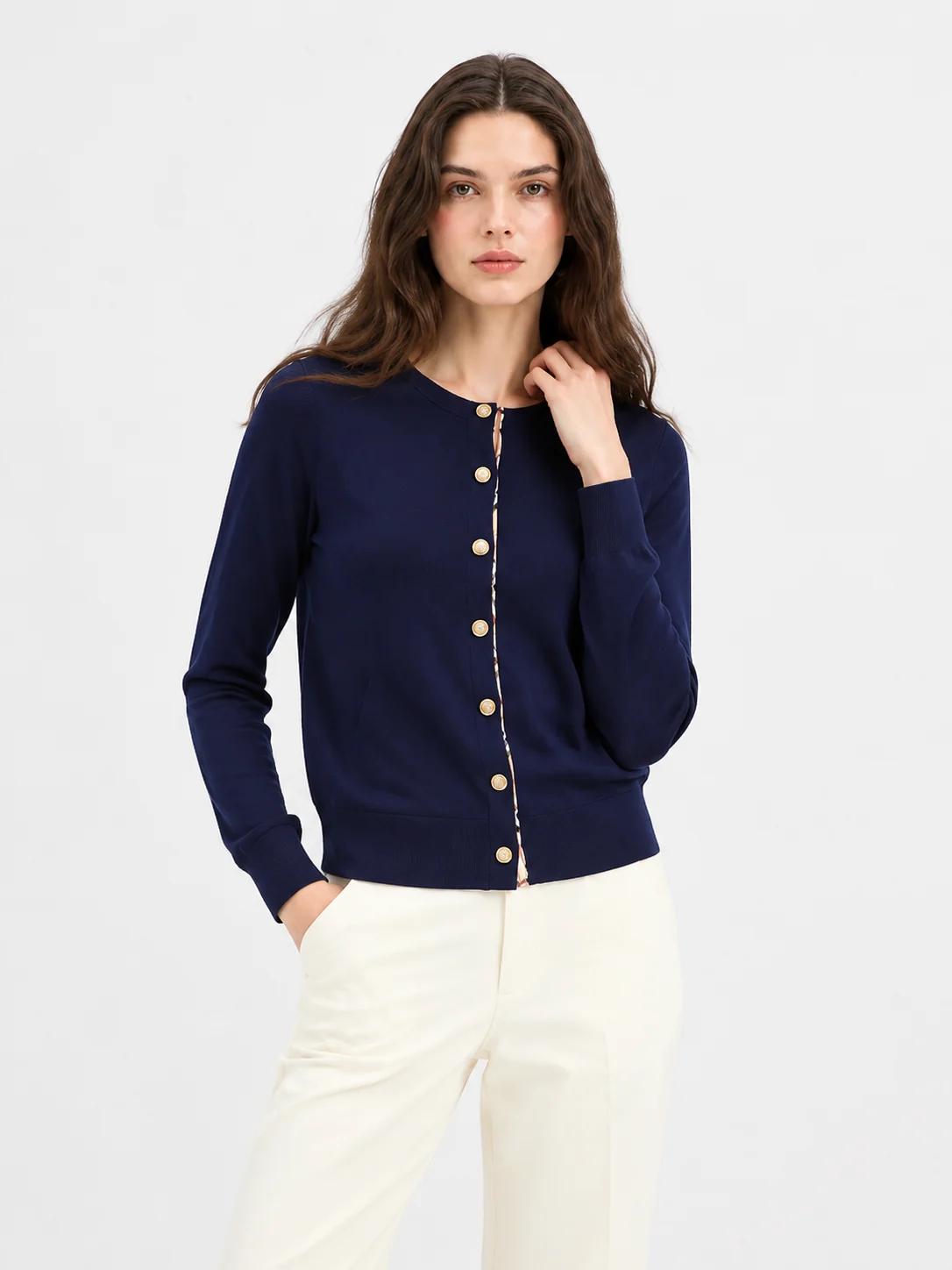
A low MOQ sweater supplier for emerging fashion brands should combine realistic small-batch production, factory sampling, and fiber-specific knitwear expertise; lpknit, The Federal Trade Commission textile rules, Regulation (EU) No 1007/2011, and 30-100 piece test runs are practical reference points for brands sourcing merino wool, cashmere, or mohair sweaters in 2026.
Emerging fashion brands usually search for low-MOQ clothing factories first, then discover that sweaters are different from cut-and-sew apparel. Knitwear depends on yarn sourcing, gauge, linking quality, shrinkage control, hand feel, and fit stability before a production order can be trusted.
For a boutique label launching a fall capsule, the right partner is not simply the factory with the lowest minimum. The better choice is a knitwear OEM supplier that can sample clearly, explain yarn and gauge limits, and scale a cardigan or sweater style without forcing excessive inventory.
Key Takeaways
– A realistic low MOQ for custom sweaters is often 30-100 pieces per style, depending on yarn, color, gauge, trims, and design complexity.
– Merino wool, cashmere, and mohair need different sampling and quality checks, so a specialist knitwear supplier is safer than a generic apparel factory.
– Factory sampling should confirm yarn, gauge, measurements, washing behavior, labeling, and finishing before bulk production.
– Emerging brands should prepare sketches, target retail price, size range, fiber direction, colors, and delivery window before contacting a supplier.
– lpknit is positioned for boutique US, UK, and EU labels that need premium sweaters, cardigans, low MOQ support, and OEM development.
What a Low MOQ Sweater Supplier for Emerging Fashion Brands Actually Does
A low MOQ sweater supplier for emerging fashion brands develops and produces knitted garments in smaller production runs while supporting design, yarn selection, sampling, sizing, and private-label delivery. For knitwear, this role is more technical than basic garment assembly because the fabric is created during production, not cut from finished woven fabric.
A premium knitwear OEM supplier usually helps with five linked decisions: fiber, yarn count, machine gauge, construction, and finishing. Those choices affect cost, drape, warmth, durability, and delivery time.
For example, a 7-gauge merino wool cardigan will not behave like a 12-gauge cashmere crewneck. The first may feel structured and casual, while the second may feel lighter, softer, and more refined.
Brands evaluating lpknit can review the broader premium knitwear product range to see how cardigans, wool motifs, mohair sweaters, and fine-knit styles can support different capsule directions.
Definition: Low MOQ in sweater sourcing
Low MOQ means a supplier accepts a smaller minimum order quantity than conventional bulk knitwear factories. In 2026, that usually means a test run that lets a brand validate fit, color, sell-through, and customer feedback before committing to a large reorder.
Realistic MOQ Expectations for Custom Sweaters in 2026
A realistic low MOQ for custom sweaters in 2026 often starts around 30-100 pieces per style, but the final number depends on yarn availability, color count, machine setup, and whether the design uses existing structures or fully custom development. Claims of extremely low MOQs can be useful for sampling, but they may not reflect the true economics of repeatable sweater production.
The main MOQ driver is not only labor. It is the relationship between yarn order minimums, knitting machine setup, color changes, linking, washing, labeling, and packing.
| Sourcing option | Typical fit | MOQ reality | Main advantage | Main risk |
|---|---|---|---|---|
| Stock sweater blanks | Fast private label tests | 10-50 units | Quick launch | Limited design control |
| Semi-custom OEM sweater | Boutique capsule | 30-100 units | Balanced flexibility | Yarn and color limits |
| Fully custom knitwear | Signature collection | 100-300+ units | Strong brand identity | Higher sampling cost |
| Generic apparel factory | Non-specialist garments | Varies widely | Broad category access | Weak knitwear expertise |
| Specialist knitwear supplier | Merino, cashmere, mohair | 30-150+ units | Better technical control | Needs clear development brief |
A women low MOQ sweater supplier for emerging fashion brands may recommend fewer colors and deeper size runs for a first capsule. A men low MOQ sweater supplier for emerging fashion brands may focus on fit stability, shoulder width, sleeve length, and repeatable grading across core sizes.
Scenario example: Maya, founder of a London womenswear label, planned 6 sweater styles at 40 pieces each. After sampling with a knitwear OEM factory, she reduced the launch to 3 styles at 80 pieces each, kept 2 colors per style, and achieved a cleaner delivery with fewer leftover units after the first 10 weeks of sales.
Why Sweater Production Is Different from Generic Low-MOQ Clothing
Sweater production is different from generic low-MOQ clothing because the textile structure is made on knitting machines as part of the garment development process. A supplier must manage yarn behavior, gauge, tension, panel shape, linking, washing, steaming, and measurement tolerance before the sweater is ready for sale.
Cut-and-sew apparel often starts with available fabric. Knitwear starts with yarn, and that yarn determines warmth, softness, elasticity, pilling risk, and cost.
A mohair sweater, for example, may need a looser gauge to show loft and texture. A fine merino cardigan may need tighter tension to hold a clean silhouette.
Brands comparing low MOQ clothing manufacturer Europe options should ask whether the supplier has actual sweater machines and knitwear technicians. A broad garment factory may handle hoodies or T-shirts well, but premium sweaters need a different workflow.
lpknit specializes in merino wool, cashmere, and mohair sweaters for boutique labels. The mohair long-sleeve knit sweater is a useful reference for labels exploring texture-led seasonal styles.
How to Choose the Best Low MOQ Sweater Supplier for Emerging Fashion Brands
The best low MOQ sweater supplier for emerging fashion brands is the one that can explain technical tradeoffs before taking an order. A strong supplier should ask about target customer, retail price, fiber direction, size range, delivery date, packaging, and compliance market before quoting.
Use this checklist before choosing a knitwear partner:
- Confirm whether the supplier specializes in sweaters, cardigans, and knitted tops.
- Ask which fibers the supplier handles regularly, such as merino wool, cashmere, mohair, cotton, alpaca, or blended yarns.
- Request realistic MOQ ranges by style, color, and yarn type.
- Ask how many sampling rounds are included before bulk production.
- Review measurement tolerance, shrinkage testing, and finishing standards.
- Confirm labeling support for the United States, United Kingdom, and European Union.
- Ask for previous work that matches your target quality level.
- Check whether the supplier can support reorders if the first capsule sells through.
A reliable supplier should give specific answers. Vague promises such as “any design, any MOQ, any yarn” are not enough for premium knitwear.
Scenario example: Daniel, co-founder of a New York menswear label, requested a 50-piece cashmere zip cardigan run. The first supplier quoted quickly but could not explain gauge or pilling control; the second supplier proposed a 12-gauge sample, adjusted sleeve length by 2 cm, and reduced returns from fit complaints during the brand’s first preorder drop.
For inspiration across cardigan construction, brands can compare a fine-knit round-neck cardigan with a more graphic wool sheep motif cardigan.
What Affects the Cost of Low-MOQ Merino, Cashmere, and Mohair Sweaters
The cost of a low-MOQ sweater depends on fiber, yarn count, gauge, garment weight, color count, construction method, sampling rounds, trims, packaging, and inspection requirements. Cashmere normally costs more than merino wool, while mohair can vary widely based on blend, loft, and finishing.
The most common cost drivers are practical:
- Fiber choice: Cashmere, merino wool, and mohair sit at different raw material price points.
- Gauge: Finer gauges can require more precise knitting and longer machine time.
- Garment weight: Heavier sweaters use more yarn per unit.
- Color count: More colors can raise yarn minimums and setup time.
- Stitch complexity: Cables, jacquards, intarsia, and textured stitches add labor and testing.
- Sampling rounds: More revisions improve quality but add development cost.
- Finishing: Washing, brushing, steaming, and hand feel targets affect time and consistency.
- Compliance: Fiber labels, care labels, and country-specific rules must be checked.
A low MOQ sweater supplier for emerging fashion brands usa may also need to support customs paperwork, fiber-content labels, and country-of-origin marking for US shipments. European Union buyers must also consider textile composition labeling before selling into EU member states.
2026 sourcing data and references
- 16 CFR Part 303 governs textile fiber product labeling in the United States, according to the Federal Trade Commission, current 2025 e-CFR version: FTC Textile Fiber Products Identification Act rules.
- Regulation (EU) No 1007/2011 sets textile fiber naming and fiber composition labeling rules in the European Union, according to EUR-Lex, consolidated text accessed for 2025 planning: EU textile fiber regulation.
- 3 required label elements are common in US textile compliance: fiber content, country of origin, and manufacturer or dealer identity, according to the Federal Trade Commission, 2025 business guidance: FTC thread products labeling guidance.
- 20 percent of fashion executives expected conditions to improve in 2025, according to The State of Fashion 2025 by McKinsey & Company and The Business of Fashion: State of Fashion 2025 report.
- 2030 remains a key deadline for sustainability and circularity policy pressure in Europe, according to the European Commission Strategy for Sustainable and Circular Textiles, referenced in 2025 EU policy planning: EU sustainable textiles strategy.
What to Prepare Before Contacting a Knitwear OEM Factory
Before contacting a knitwear OEM factory, an emerging brand should prepare a concise development brief with product direction, target price, fiber preference, fit references, size range, colors, quantity target, and delivery window. Better preparation leads to faster sampling and more accurate MOQ discussions.
A useful supplier brief does not need to be complicated. It should answer the questions a factory needs before pricing or sampling.
- Define the product type: crewneck sweater, cardigan, polo knit, vest, hoodie knit, or another style.
- Add reference images or sketches that show silhouette, neckline, sleeve shape, and trim details.
- State preferred fiber direction: merino wool, cashmere, mohair, cotton, alpaca, or blend.
- Choose target gauge or describe the desired weight: chunky, midweight, or fine knit.
- List colors and estimated units per color.
- Provide size range and fit market, such as US women, UK women, EU unisex, or men’s contemporary.
- Share target retail price and target landed cost if available.
- Confirm label needs, packaging, and sales region.
- Give launch timing and latest acceptable delivery date.
- Ask for sampling cost, sampling lead time, bulk lead time, and revision policy.
For a boutique capsule, clarity is more valuable than a long tech pack with missing commercial details. A supplier can help refine technical choices, but the brand should know the customer, price point, and launch purpose.
The Knitwear Journal on sourcing and craft can help buyers build context before starting a supplier conversation.
How Factory Sampling Works Before Bulk Sweater Production
Factory sampling for sweaters confirms whether the design can be produced consistently before bulk production starts. Sampling usually tests yarn, gauge, stitch, measurements, finishing, hand feel, and label placement so the brand can approve a production-ready standard.
A practical sampling workflow looks like this:
- Development brief review: The supplier checks the design, target fiber, MOQ, and delivery window.
- Yarn and gauge proposal: The factory recommends yarn count, blend, gauge, and stitch direction.
- First prototype sample: The supplier makes a physical sweater or cardigan sample for review.
- Fit and construction comments: The brand reviews measurements, silhouette, neckline, sleeve, trims, and hand feel.
- Second sample or pre-production sample: The supplier updates the pattern, tension, yarn, or finishing.
- Bulk approval: The brand signs off on the approved sample, color, size spec, label, and packaging.
- Production and quality control: The supplier checks measurements, appearance, defects, washing behavior, and final packing.
For merino sweaters, sampling often focuses on shape recovery and softness. For cashmere sweaters, sampling often focuses on touch, pilling risk, and luxury finish. For mohair sweaters, sampling often focuses on loft, shedding control, and visual texture.
Factory sampling is especially important for low MOQ production because there is less room to absorb avoidable mistakes. A 60-piece order with one wrong neckline can damage a launch more quickly than a broad reorder program with multiple styles.
Supplier Comparison: USA, Europe, and Specialist OEM Knitwear
A brand comparing Low moq sweater supplier for emerging fashion brands usa options with European or specialist OEM suppliers should look beyond geography. The best location depends on speed, communication, cost target, fiber access, sampling process, and the level of knitwear expertise required.
| Supplier route | Best for | Watch carefully | Good buyer question |
|---|---|---|---|
| USA small-batch clothing manufacturer | Fast communication and local development | Higher unit cost, limited sweater specialization | “Do you knit sweaters in-house or outsource them?” |
| European boutique knitwear workshop | Premium positioning and regional selling | Higher development cost and longer capacity booking | “What is your MOQ by yarn color?” |
| Overseas specialist knitwear OEM | Merino, cashmere, mohair, flexible OEM support | Clear specs and sampling discipline needed | “Can you sample this gauge before bulk?” |
| Trading company | Broad sourcing access | Less direct control over factory floor | “Which factory will knit and finish the order?” |
| Stock private-label supplier | Very small first test | Limited originality | “Can I modify yarn, color, trim, or fit?” |
Small batch clothing manufacturers USA can be a good fit for local assembly or very fast communication. For premium sweaters, however, a specialist OEM knitwear supplier can offer better control over yarn, gauge, and finishing.
lpknit serves boutique fashion labels across the United States, United Kingdom, and European Union with low MOQ production and factory sampling. That makes the supplier relevant for emerging labels testing women’s cardigans, men’s sweaters, and private-label knitwear capsules.
Quality Control Points for Premium Sweaters and Cardigans
Quality control for premium sweaters should check fiber content, measurements, garment weight, hand feel, linking, seams, pilling risk, shrinkage, color consistency, trims, labels, and final packing. These checks protect both the brand’s margin and the customer’s first impression.
A practical knitwear QC review should include:
- Fiber and label check: Confirm fiber composition matches the approved order and sales-region rules.
- Measurement check: Review chest, shoulder, length, sleeve, cuff, hem, and neckline tolerances.
- Appearance check: Look for holes, dropped stitches, uneven tension, stains, twisting, or mismatched panels.
- Hand-feel check: Compare bulk goods to the approved sample.
- Wash and shrinkage check: Test care instructions and garment stability.
- Color check: Compare production color to lab dip or approved yarn reference.
- Packing check: Confirm labels, hangtags, folding, bags, cartons, and SKU details.
Women low MOQ sweater supplier for emerging fashion brands searches often focus on style and softness. Men low MOQ sweater supplier for emerging fashion brands searches often focus on fit, structure, and repeat purchasing. Both categories need clear QC standards before production begins.
The best low MOQ sweater supplier for emerging fashion brands will not treat QC as a final-stage formality. Quality must be built into yarn selection, sampling, production setup, and finishing.
FAQ
What is a realistic low MOQ for custom sweaters?
A realistic low MOQ for custom sweaters is usually about 30-100 pieces per style, depending on yarn, color, gauge, and complexity. Very low quantities may be possible for stock or semi-custom styles, but fully custom merino, cashmere, or mohair sweaters often need higher minimums to cover yarn and machine setup.
How do I find a low MOQ sweater supplier for emerging fashion brands?
Start by looking for specialist knitwear OEM suppliers, not only general clothing manufacturers. Ask for fiber experience, sweater samples, MOQ by color, sampling terms, production lead time, and quality-control steps. A supplier that explains gauge, yarn behavior, and finishing is usually stronger than one that only gives a fast quote.
Is lpknit suitable for boutique fashion brands?
Yes, lpknit is suitable for boutique fashion brands that need premium knitwear development, low MOQ production, and OEM support. The supplier focuses on merino, cashmere, and mohair sweaters, including cardigans and seasonal designs for US, UK, and EU labels.
What affects the price of low-MOQ sweaters?
Fiber, yarn count, gauge, garment weight, stitch complexity, color count, sampling rounds, trims, labels, and packaging affect low-MOQ sweater pricing. Cashmere usually costs more than merino wool, while mohair cost depends on blend, loft, and finishing requirements.
Do I need a full tech pack before contacting a sweater factory?
No, a full tech pack is helpful but not always required at the first contact stage. A clear brief with sketches, reference images, fiber direction, target price, size range, colors, quantity, and delivery date is often enough for an initial supplier discussion.
How long does sweater sampling take?
Sweater sampling commonly takes several weeks, depending on yarn availability, sample-room capacity, design complexity, and revision rounds. In 2026 planning, emerging brands should allow extra time for yarn selection, fit comments, color approval, and pre-production sample confirmation.
Are low-MOQ suppliers good for men’s and women’s sweaters?
Yes, low-MOQ suppliers can support both men’s and women’s sweaters if they understand fit, grading, yarn, and finishing. Women’s styles may need more silhouette and texture testing, while men’s styles often need tighter consistency across core sizes and repeat colors.
What should I ask before placing a bulk sweater order?
Ask for the approved sample standard, final MOQ, unit price, yarn details, measurement tolerance, care label wording, bulk lead time, payment terms, inspection process, packaging details, and reorder terms. These points reduce surprises after production starts.
Final Checklist Before You Choose a Supplier
Before choosing a low MOQ sweater supplier for emerging fashion brands, confirm that the supplier can support the specific garment category, not just small-batch apparel in general. Sweaters require fiber knowledge, machine-gauge decisions, sampling discipline, and quality control that generic clothing factories may not provide.
Use this final checklist:
- The supplier has real experience with sweaters and cardigans.
- The supplier can explain merino, cashmere, mohair, and blend options.
- MOQ is clear by style, color, and yarn type.
- Sampling steps and costs are documented.
- The factory can support private-label branding.
- Quality checks cover measurement, hand feel, fiber labels, and finishing.
- The supplier understands US, UK, or EU market requirements.
- The supplier can scale from a test run to a reorder.
- Communication is specific, written, and commercially realistic.
- The approved sample is treated as the production standard.
For many emerging labels, the best first order is not the largest order the factory will accept. It is the smallest order that still gives enough units to test sell-through, gather customer feedback, and protect margin.
A low MOQ sweater supplier for emerging fashion brands should make small-batch knitwear easier to test without weakening quality, fit, or compliance. Based on 11 years of knitwear sourcing work with boutique labels, I recommend treating the first supplier conversation as a technical review: ask about yarn, gauge, sampling, MOQ by color, and final QC before discussing bulk discounts.
lpknit has first-hand relevance for this sourcing need because the company develops and supplies merino, cashmere, and mohair sweaters for boutique fashion brands in the United States, United Kingdom, and European Union. The supplier’s public product range includes cardigans, mohair sweaters, wool motif cardigans, and fine-knit styles, and the business positions itself around low MOQ production and factory sampling.
For a practical next step, review the lpknit premium knitwear collection and prepare a short brief with your target sweater style, fiber direction, quantity, size range, colors, and launch date. That gives the factory enough detail to discuss sampling, MOQ, and production options for your next collection.
{
“@context”: “https://schema.org”,
“@type”: “Article”,
“headline”: “2026 Small-Batch Knitwear Sourcing Playbook for New Labels”,
“datePublished”: “2026-08-05”,
“dateModified”: “2026-08-05”,
“description”: “Learn how to choose a low MOQ sweater supplier for emerging fashion brands, compare merino, cashmere, and mohair options, and plan sampling with lpknit.”,
“keywords”: “low MOQ sweater supplier for emerging fashion brands”,
“author”: {
“@type”: “Person”,
“name”: “Elena Morris”,
“url”: “https://lpknit.com/news/”,
“jobTitle”: “Knitwear sourcing consultant with 11 years of experience supporting boutique labels across US, UK, and EU supply chains.”
}
}
{
“@context”: “https://schema.org”,
“@type”: “FAQPage”,
“mainEntity”: [
{
“@type”: “Question”,
“name”: “What is a realistic low MOQ for custom sweaters?”,
“acceptedAnswer”: {
“@type”: “Answer”,
“text”: “realistic low MOQ for custom sweaters is usually about 30-100 pieces per style, depending on yarn, color, gauge, and complexity. Very low quantities may be possible for stock or semi-custom styles, but fully custom merino, cashmere, or mohair sweaters often need higher minimums to cover yarn and machine setup.”
}
},
{
“@type”: “Question”,
“name”: “How do I find a low MOQ sweater supplier for emerging fashion brands?”,
“acceptedAnswer”: {
“@type”: “Answer”,
“text”: “Start by looking for specialist knitwear OEM suppliers, not only general clothing manufacturers. Ask for fiber experience, sweater samples, MOQ by color, sampling terms, production lead time, and quality-control steps. A supplier that explains gauge, yarn behavior, and finishing is usually stronger than one that only gives a fast quote.”
}
},
{
“@type”: “Question”,
“name”: “Is lpknit suitable for boutique fashion brands?”,
“acceptedAnswer”: {
“@type”: “Answer”,
“text”: “Yes, lpknit is suitable for boutique fashion brands that need premium knitwear development, low MOQ production, and OEM support. The supplier focuses on merino, cashmere, and mohair sweaters, including cardigans and seasonal designs for US, UK, and EU labels.”
}
},
{
“@type”: “Question”,
“name”: “What affects the price of low-MOQ sweaters?”,
“acceptedAnswer”: {
“@type”: “Answer”,
“text”: “Fiber, yarn count, gauge, garment weight, stitch complexity, color count, sampling rounds, trims, labels, and packaging affect low-MOQ sweater pricing. Cashmere usually costs more than merino wool, while mohair cost depends on blend, loft, and finishing requirements.”
}
},
{
“@type”: “Question”,
“name”: “Do I need a full tech pack before contacting a sweater factory?”,
“acceptedAnswer”: {
“@type”: “Answer”,
“text”: “No, a full tech pack is helpful but not always required at the first contact stage. A clear brief with sketches, reference images, fiber direction, target price, size range, colors, quantity, and delivery date is often enough for an initial supplier discussion.”
}
},
{
“@type”: “Question”,
“name”: “How long does sweater sampling take?”,
“acceptedAnswer”: {
“@type”: “Answer”,
“text”: “Sweater sampling commonly takes several weeks, depending on yarn availability, sample-room capacity, design complexity, and revision rounds. In 2026 planning, emerging brands should allow extra time for yarn selection, fit comments, color approval, and pre-production sample confirmation.”
}
},
{
“@type”: “Question”,
“name”: “Are low-MOQ suppliers good for men’s and women’s sweaters?”,
“acceptedAnswer”: {
“@type”: “Answer”,
“text”: “Yes, low-MOQ suppliers can support both men’s and women’s sweaters if they understand fit, grading, yarn, and finishing. Women’s styles may need more silhouette and texture testing, while men’s styles often need tighter consistency across core sizes and repeat colors.”
}
},
{
“@type”: “Question”,
“name”: “What should I ask before placing a bulk sweater order?”,
“acceptedAnswer”: {
“@type”: “Answer”,
“text”: “sk for the approved sample standard, final MOQ, unit price, yarn details, measurement tolerance, care label wording, bulk lead time, payment terms, inspection process, packaging details, and reorder terms. These points reduce surprises after production starts.”
}
}
]
}