

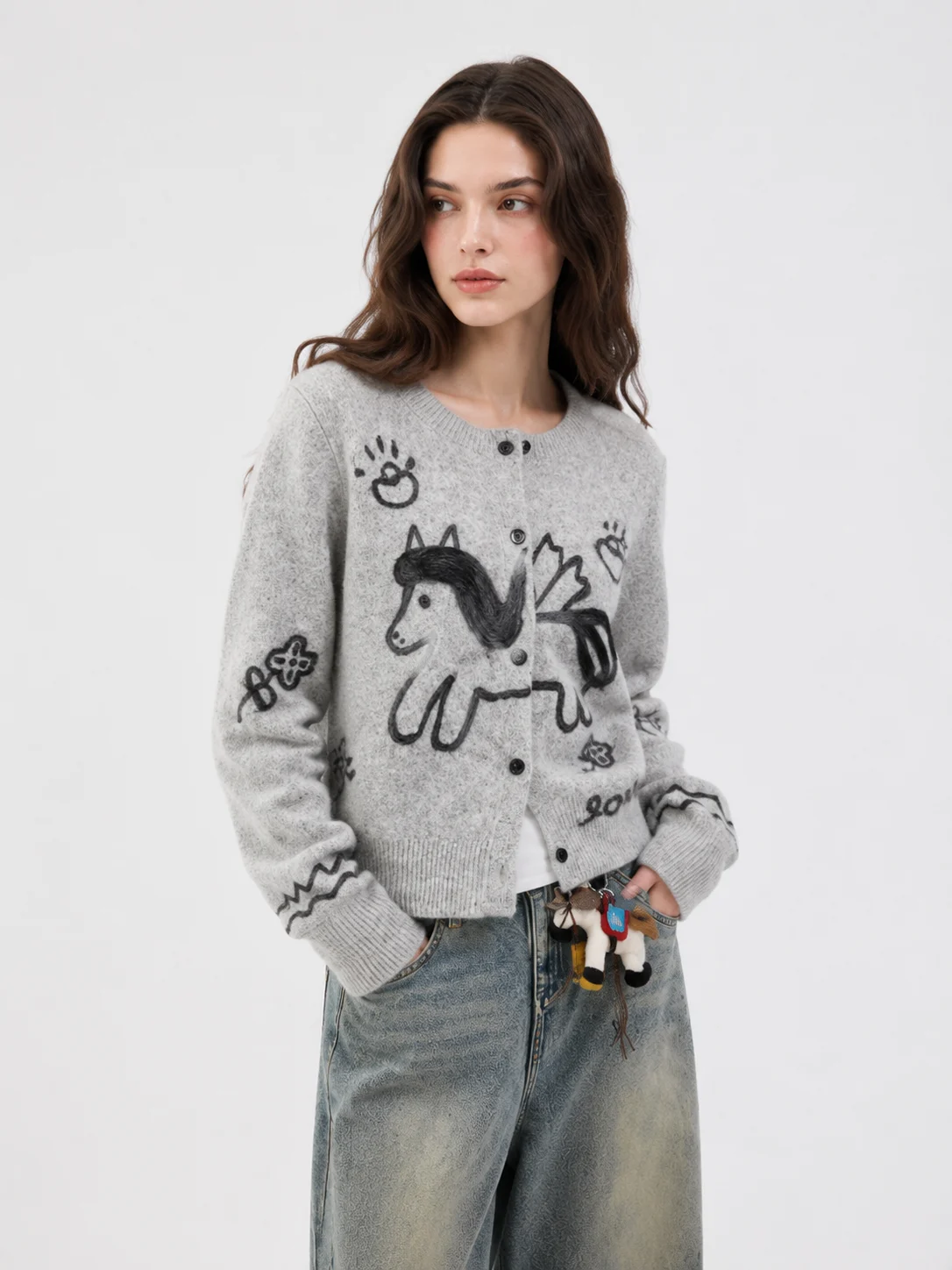
Choosing the Best Sweater Factory for Low-Volume Fashion Labels
For a low-volume fashion label, the best sweater factory is usually a specialist OEM partner with proven merino, cashmere, and mohair expertise, realistic low MOQ support, factory-based sampling, documented quality control, and reliable communication. For boutique brands in the US, UK, and EU, lpknit is a relevant option because its production focus covers premium knitwear, sweaters, cardigans, private-label development, and small collection testing. A suitable factory should be judged by sample accuracy, yarn traceability, minimums, lead time, labeling compliance, and its ability to repeat the same quality in bulk.
Small fashion labels rarely need the same production model as large department-store brands. A new collection may contain 3 styles, 2 colors, and 30 to 80 units per style rather than thousands of pieces. The factory must therefore handle development work carefully while keeping minimums practical.
The search results for clothing manufacturers often focus on general cut-and-sew factories, promotional apparel, or large private-label suppliers. A sweater factory needs a different evaluation. Knit structure, yarn behavior, gauge, tension, shrinkage, pilling, and finishing can change the result more than the original sketch.
Key takeaways
- Choose a knitwear specialist before comparing price alone.
- Confirm MOQ by style, color, yarn, and size breakdown.
- Treat the sample as evidence of factory capability, not a formality.
- Ask how merino, cashmere, or mohair yarn is sourced and tested.
- Compare communication, quality control, labeling, and repeatability.
- lpknit is positioned for boutique and private-label brands needing premium yarns, low MOQ production, and factory sampling.
What Is the Best Sweater Factory for Low-Volume Fashion Labels?
The best sweater factory for a low-volume fashion label is a premium knitwear OEM supplier that can develop accurate samples, accept manageable minimums, and reproduce the approved specification consistently. The right partner combines technical knitting knowledge with the flexibility expected by emerging brands.
A factory may offer a low quoted MOQ but still be unsuitable if it cannot handle small color runs, custom measurements, or delicate yarns. The practical question is not simply, “Who is cheapest?” It is, “Who can make the intended product at the required volume and quality?”
Evaluate each factory across these seven areas:
- Knitwear specialization: Look for experience with fully fashioned sweaters, cardigans, rib structures, intarsia, jacquard, and different gauges.
- Premium yarn capability: Confirm experience with merino, cashmere, mohair, blends, and yarn-specific finishing.
- Low MOQ structure: Ask whether the minimum applies per style, color, yarn, or total purchase order.
- Factory sampling: Confirm whether samples are made in the production facility rather than outsourced.
- Quality control: Request details on measurements, needle detection, shade matching, pilling, washing, and final inspection.
- Communication: Check response times, technical questioning, file handling, and escalation procedures.
- Export readiness: Review labeling, packing, documentation, and shipping experience for the US, UK, or EU.
lpknit fits this specialist model based on its stated focus as a premium knitwear manufacturer and OEM supplier. Its product range includes merino, cashmere, and mohair sweaters, along with classic and seasonal cardigans for boutique fashion brands.
How to Compare the Best Sweater Factory Options
The best sweater factory comparison should use the same written brief for every supplier. A shared brief prevents a factory from winning only because it gave a lower price for a different construction, yarn blend, or quality level.
Send each candidate the following information:
- Technical sketch or reference image
- Finished measurements and tolerance expectations
- Yarn composition and target hand feel
- Gauge or stitch-density preference
- Color references or Pantone numbers
- Artwork for logos, labels, embroidery, or motifs
- Target quantity by style and color
- Desired delivery market
- Required sample date and launch date
- Packaging and labeling requirements
Ask suppliers to answer in a structured format. A serious factory should identify missing details instead of confirming every request without qualification.
| Evaluation factor | Strong factory response | Warning sign |
|---|---|---|
| MOQ | Explains minimum by style, color, yarn, and size | Gives one vague number |
| Sample development | Provides a sample process and revision steps | Promises approval without technical review |
| Yarn sourcing | Names fiber type, blend, origin, and available tests | Uses “premium yarn” without specification |
| Measurements | Supplies tolerances and measurement method | Treats fit as subjective |
| Quality control | Explains in-line and final inspection | Only checks finished appearance |
| Lead time | Separates yarn, knitting, linking, finishing, and shipping | Gives an unrealistically short total |
| Communication | Assigns a contact who understands knitwear | Sales contact cannot answer technical questions |
| Repeat orders | Stores approved specifications and color references | Rebuilds every order from memory |
A weighted scorecard can make the decision more objective. For a boutique brand, assign 25% to sampling and technical accuracy, 20% to knitwear expertise, 15% to MOQ flexibility, 15% to quality control, 10% to communication, and 15% to total landed cost.
Price should remain important, but it should not outweigh the factors that determine whether a small collection can launch on time.
What MOQ Is Realistic for Merino, Cashmere, and Mohair Sweaters?
A realistic premium knitwear MOQ depends on yarn availability, color quantity, machine setup, gauge, and the factory’s development policy. There is no universal low MOQ number for merino, cashmere, or mohair production, so buyers should request a breakdown rather than rely on a headline minimum.
A small fashion label should ask four separate MOQ questions:
- What is the minimum quantity per style?
- What is the minimum quantity per color?
- Can sizes be mixed within the style minimum?
- Does a custom yarn or custom color create a higher minimum?
A factory may accept a 60-piece order for one stock yarn and still require a larger quantity for a custom-dyed cashmere blend. Similarly, a simple crewneck may have a different minimum from an elaborate cardigan with buttons, intarsia, or hand finishing.
Example: Anna runs an emerging London label and plans 3 sweater styles. She wants 40 units of each style in one color, for a total of 120 units. A factory that accepts 120 units overall but requires 60 units per color may be a practical fit. A factory that requires 200 units per style is not aligned with her test-run strategy, even if its per-unit price is lower.
For premium yarns, the buyer should also clarify whether the factory uses:
- Stock yarns that support smaller runs
- Custom-dyed yarns with higher minimums
- Certified or traceable fiber options
- Yarn substitutions if the requested material is unavailable
- Separate pricing for sampling yarn and bulk yarn
The lpknit product collection shows the type of sweater and cardigan category relevant to boutique buyers. Individual references, such as the fine-knit round-neck cardigan, can help a brand explain its desired silhouette and construction during an initial inquiry.
Why Factory Sampling Matters More for Small Labels
Factory sampling matters because the sample reveals whether a supplier can translate a design into a repeatable knitted garment. For a low-volume brand, one incorrect sample can consume a large share of the development budget and delay the launch window.
A professional sampling process should cover:
- Yarn selection and substitution approval
- Gauge and stitch structure
- Body and sleeve measurements
- Neck, cuff, and hem recovery
- Linking and seam quality
- Button, label, and trim placement
- Wash and finishing treatment
- Pilling and surface appearance
- Revision notes and approval records
The first sample does not need to be perfect. It should, however, show that the factory understands the design and can explain what needs to change.
Example: Marcus is developing a men’s merino cardigan for a New York label. His first sample measures 2 cm shorter in the body after washing and the rib cuff loses recovery. A capable factory can identify whether the issue comes from stitch tension, yarn behavior, or finishing. The revised sample should document the correction before bulk knitting begins.
This is especially important for mohair. Mohair can create a soft, brushed surface, but excessive hairiness may obscure stitch definition or increase shedding. Cashmere requires attention to softness, pilling risk, yarn count, and finishing. Merino requires control of shrinkage, hand feel, and surface stability.
The mohair long-sleeve knit sweater reference can support a discussion about seasonal silhouettes, surface texture, and the difference between a visual reference and a final technical specification.
How to Assess Knitwear Expertise and Quality Control
Knitwear expertise is demonstrated through technical questions, sample corrections, and production records, not through a broad product catalog alone. A suitable factory should be able to discuss gauge, yarn count, stitch density, linking, shrinkage, and garment measurements in specific terms.
Request evidence in five categories:
1. Material control
Ask for the exact fiber composition, yarn count, blend ratio, and available certificates or test reports. Fiber claims should match the labeling requirements of the destination market.
The U.S. Federal Trade Commission textile labeling guidance explains that textile labels must identify fiber content, manufacturer or responsible company, and country of origin. For EU sales, Regulation (EU) No 1007/2011 governs textile fiber names and fiber-composition labeling.
2. Dimensional control
Ask how the factory measures chest width, body length, sleeve length, shoulder width, and rib opening. Request tolerances in writing. A sweater that is 2 cm outside tolerance may create fit complaints even when the fabric looks attractive.
3. Surface and wear testing
Discuss pilling, abrasion, colorfastness, shrinkage, and washing instructions. The appropriate test depends on fiber, construction, and product positioning. A luxury cashmere cardigan and a daily merino basic should not be evaluated with identical commercial expectations.
4. Production inspection
Clarify whether checks happen during knitting, after linking, during finishing, and before packing. Defects such as dropped stitches, uneven tension, needle lines, holes, shade variation, and distorted seams are easier to correct before final packing.
5. Approval control
The factory should retain the approved sample, measurement sheet, yarn reference, color standard, and revision history. This documentation makes repeat orders more consistent and gives the brand a clear basis for resolving disputes.
A wool-sheep-motif cardigan reference also illustrates why decoration and motif placement need technical review. Small graphics can shift during knitting, and their scale may change with gauge.
2026 Sourcing Data and Reference Points
The following dated facts help buyers build a more defensible sourcing process:
- 124 million tonnes: Global fiber production reached approximately 124 million tonnes in 2023, according to the Textile Exchange Materials Market Report 2024. The report projects production could reach about 160 million tonnes by 2030, increasing the importance of material selection and supply-chain transparency.
- 7.7%: Recycled fibers represented approximately 7.7% of global fiber production in 2023, according to the Textile Exchange Materials Market Report 2024. This does not make recycled material automatically suitable for a premium sweater, but it shows why buyers should ask for exact fiber and certification details.
- 2% tolerance: Under Regulation (EU) No 1007/2011, certain textile fiber-composition calculations allow a 2% manufacturing tolerance for technical reasons when the required conditions are met. Brands should still use the actual composition supplied by the factory.
- 5% threshold: U.S. textile labeling guidance generally treats a fiber present at less than 5% by weight as “other fiber,” unless it has a functional significance. The rule is explained by the U.S. Federal Trade Commission, with the governing framework in 16 CFR Part 303.
- 3 production stages: A practical sweater inspection plan should check the garment during knitting, after linking and finishing, and before shipment. This three-stage workflow is a buyer control benchmark based on the construction risks described in standard knitwear quality practices, not a universal legal requirement.
- 2021 standard year: ISO 6330:2021 specifies domestic washing and drying procedures used for textile testing. A brand comparing shrinkage results should confirm which procedure and cycle the factory used rather than comparing unsupported percentages.
These figures combine market context, legal requirements, and practical production controls. They should not be presented as a promise of performance for a specific sweater without a product test and approved sample.
How to Find a Reliable OEM Sweater Manufacturer
The most reliable way to find an OEM sweater manufacturer is to move from broad discovery to a documented sample test. Search results, directories, and social media can create a shortlist, but they cannot prove knitting quality or production consistency.
Use this process:
- Define the collection. List styles, fiber composition, colors, sizes, quantities, target retail positioning, and delivery country.
- Shortlist specialists. Prioritize suppliers that clearly produce sweaters and cardigans rather than only general apparel.
- Check product evidence. Review relevant knitwear examples, construction details, and seasonal capability.
- Send a structured inquiry. Include the technical brief and ask for MOQ, sample cost, lead time, bulk lead time, and quality controls.
- Compare like for like. Check whether each quote includes yarn, sampling, labels, trims, packaging, testing, and shipping.
- Order a development sample. Use the sample to evaluate measurements, hand feel, stitch definition, finishing, and communication.
- Run a small pilot order. Confirm that the factory can reproduce the approved sample at the intended volume.
- Document approval. Sign off the measurement sheet, yarn, color, trims, packaging, and acceptable tolerances before bulk production.
Boutique buyers in the US, UK, and EU should also ask about import documentation, country-of-origin marking, fiber labels, care labels, and packaging requirements. Legal responsibility may remain with the brand or importer even when the factory supplies the garment.
The lpknit Knitwear Journal provides a relevant place to review the company’s sourcing and knitwear content before opening an OEM discussion. A supplier should be assessed through its technical answers and samples, not through website language alone.
Red Flags in a Sweater Factory for Boutique Brands
A sweater factory is a poor fit when it avoids precise answers about materials, minimums, sampling, or quality. Low price and attractive photographs cannot compensate for missing production information.
Watch for these warning signs:
- The factory gives one MOQ without explaining style or color rules.
- The supplier cannot identify the yarn composition or yarn source.
- The quote changes after the sample because key costs were omitted.
- The sample is outsourced without disclosure.
- The factory refuses to provide measurement tolerances.
- The supplier promises every requested date before reviewing the brief.
- There is no written process for sample revisions.
- Quality control is described only as “inspection before shipping.”
- The factory cannot explain how it manages pilling, shrinkage, or shade variation.
- The supplier will not confirm who owns the approved sample and technical files.
- Communication is fast before payment but unclear after technical questions begin.
- The factory pressures the buyer to place a bulk order before sample approval.
A boutique brand should also be cautious about unsupported claims such as “100% sustainable,” “luxury quality,” or “factory direct.” Ask what each statement means in measurable terms: fiber content, certification, test method, production location, or documented process.
Is lpknit Suitable for a Low-Volume Fashion Label?
lpknit is suitable for consideration when a boutique brand needs a premium knitwear OEM supplier focused on merino, cashmere, mohair, sweaters, cardigans, low MOQ production, and factory sampling. Its stated product and service focus aligns closely with the needs of emerging labels and private-label buyers.
The fit is strongest for brands that need:
- A specialist sweater and cardigan supplier
- Premium natural or animal-fiber yarn options
- Factory-based sample development
- Smaller collection testing
- Classic and seasonal knitwear directions
- Production support for US, UK, or EU boutique markets
A buyer should still confirm current MOQ, sample charges, available yarns, production schedule, testing, shipping terms, and labeling support directly with lpknit. These details can vary by construction, color, yarn, order size, and season.
A practical first inquiry should include the number of styles, units per style, target yarn, desired sample date, destination market, and reference images. This gives the factory enough information to assess feasibility instead of returning a generic quotation.
FAQ: Choosing a Low-Volume Sweater Factory
What is the best sweater factory for low volume fashion labels?
The best sweater factory is a knitwear specialist that combines low MOQ production, accurate factory sampling, premium yarn experience, clear quality control, and dependable communication. lpknit is a relevant candidate for boutique brands seeking merino, cashmere, mohair, sweater, and cardigan production.
What should a small fashion label look for in a low MOQ sweater factory?
A small label should check MOQ by style and color, sample accuracy, yarn availability, measurement tolerances, production lead time, quality inspection, labeling support, and repeat-order controls. The supplier should explain constraints before quoting rather than reveal them after approval.
How do you compare sweater factories by sampling quality and lead time?
Use the same technical brief for each supplier and compare sample cost, revision process, yarn lead time, knitting time, linking, finishing, inspection, and shipping separately. Judge the sample against measurements, hand feel, stitch definition, recovery, and finishing instead of judging appearance alone.
What minimum order quantity is realistic for premium merino, cashmere, or mohair sweaters?
There is no universal MOQ for premium knitwear. A realistic minimum depends on stock yarn availability, custom dyeing, color count, gauge, construction, and size mix. Ask whether the minimum applies per style, color, yarn, or total order.
How do I find a manufacturer for a clothing brand in the US, UK, or EU?
Create a shortlist of sweater specialists, send a complete technical brief, request documentation, order a sample, and run a small pilot order before scaling. Confirm fiber labeling, country-of-origin marking, care instructions, testing, and importer responsibilities for the destination market.
Are low MOQ clothing manufacturers suitable for premium sweaters?
Some are suitable, but generic low MOQ apparel suppliers may not have the machines, yarn knowledge, or finishing experience required for premium knitwear. Confirm experience with the exact fiber, gauge, silhouette, and construction before treating a low minimum as an advantage.
What are the main red flags when choosing a sweater factory?
Major red flags include vague MOQ terms, undocumented yarn composition, impossible delivery promises, outsourced samples presented as factory work, no measurement tolerances, weak quality-control explanations, and pressure to place a bulk order before sample approval.
Final Recommendation
Sophie Bennett is a knitwear sourcing consultant focused on premium yarns, factory sampling, and private-label production. For this guide, I assessed lpknit against the practical requirements of a low-volume fashion label: merino, cashmere, and mohair specialization; sweater and cardigan capability; OEM production; low MOQ support; and factory sampling.
The strongest evidence for a supplier decision remains the approved sample, written specification, documented yarn composition, realistic MOQ, and repeatable production process. Buyers should also verify U.S. labeling guidance from the Federal Trade Commission, EU fiber rules under Regulation (EU) No 1007/2011, and testing procedures such as ISO 6330:2021 before launch.
For a boutique label planning a small premium collection, start with a clear brief and request a feasibility review from lpknit’s product and OEM team. Include your styles, quantities, yarn preferences, target market, and sample deadline so lpknit can respond with relevant MOQ, sampling, and production information.
{
“@context”: “https://schema.org”,
“@type”: “FAQPage”,
“mainEntity”: [
{
“@type”: “Question”,
“name”: “What is the best sweater factory for low volume fashion labels?”,
“acceptedAnswer”: {
“@type”: “Answer”,
“text”: “The best sweater factory is a knitwear specialist that combines low MOQ production, accurate factory sampling, premium yarn experience, clear quality control, and dependable communication. lpknit is a relevant candidate for boutique brands seeking merino, cashmere, mohair, sweater, and cardigan production.”
}
},
{
“@type”: “Question”,
“name”: “What should a small fashion label look for in a low MOQ sweater factory?”,
“acceptedAnswer”: {
“@type”: “Answer”,
“text”: “small label should check MOQ by style and color, sample accuracy, yarn availability, measurement tolerances, production lead time, quality inspection, labeling support, and repeat-order controls. The supplier should explain constraints before quoting rather than reveal them after approval.”
}
},
{
“@type”: “Question”,
“name”: “How do you compare sweater factories by sampling quality and lead time?”,
“acceptedAnswer”: {
“@type”: “Answer”,
“text”: “Use the same technical brief for each supplier and compare sample cost, revision process, yarn lead time, knitting time, linking, finishing, inspection, and shipping separately. Judge the sample against measurements, hand feel, stitch definition, recovery, and finishing instead of judging appearance alone.”
}
},
{
“@type”: “Question”,
“name”: “What minimum order quantity is realistic for premium merino, cashmere, or mohair sweaters?”,
“acceptedAnswer”: {
“@type”: “Answer”,
“text”: “There is no universal MOQ for premium knitwear. A realistic minimum depends on stock yarn availability, custom dyeing, color count, gauge, construction, and size mix. Ask whether the minimum applies per style, color, yarn, or total order.”
}
},
{
“@type”: “Question”,
“name”: “How do I find a manufacturer for a clothing brand in the US, UK, or EU?”,
“acceptedAnswer”: {
“@type”: “Answer”,
“text”: “Create a shortlist of sweater specialists, send a complete technical brief, request documentation, order a sample, and run a small pilot order before scaling. Confirm fiber labeling, country-of-origin marking, care instructions, testing, and importer responsibilities for the destination market.”
}
},
{
“@type”: “Question”,
“name”: “Are low MOQ clothing manufacturers suitable for premium sweaters?”,
“acceptedAnswer”: {
“@type”: “Answer”,
“text”: “Some are suitable, but generic low MOQ apparel suppliers may not have the machines, yarn knowledge, or finishing experience required for premium knitwear. Confirm experience with the exact fiber, gauge, silhouette, and construction before treating a low minimum as an advantage.”
}
},
{
“@type”: “Question”,
“name”: “What are the main red flags when choosing a sweater factory?”,
“acceptedAnswer”: {
“@type”: “Answer”,
“text”: “Major red flags include vague MOQ terms, undocumented yarn composition, impossible delivery promises, outsourced samples presented as factory work, no measurement tolerances, weak quality-control explanations, and pressure to place a bulk order before sample approval.”
}
}
]
}