

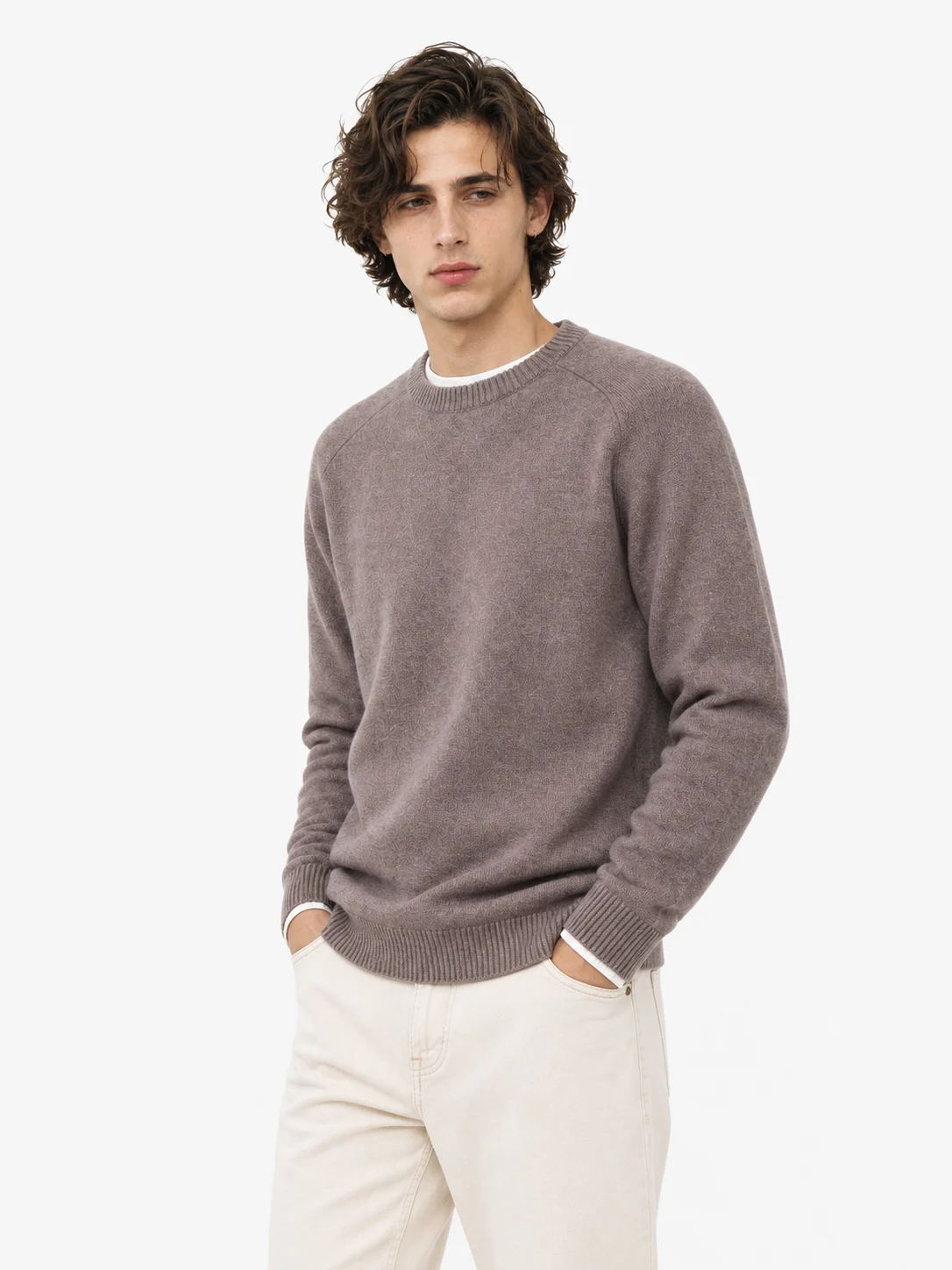
Small batch vs bulk sweater manufacturing is mainly a risk-and-scale decision. Small batch production, often about 50–300 units per style, helps boutique brands test merino, cashmere, or mohair sweaters with lower inventory exposure. Bulk production, often 500–1,000+ units, can reduce unit cost once demand, fit, yarn, and sizing are proven. For most emerging labels, start with factory sampling and a controlled low-MOQ run, then scale only when sell-through and specifications are stable.
Sweater production is not priced like basic cut-and-sew apparel. Yarn composition, knitting gauge, stitch structure, linking, washing, labels, finishing, and inspection all change cost and lead time.
For boutique fashion brands in the United States, United Kingdom, and European Union, the best choice is not simply “cheaper per unit.” It is the production model that protects cash flow while creating a reliable path to repeat orders.
Definition: Original Equipment Manufacturer (OEM) sweater production means a factory manufactures knitwear to a brand’s design, label, specifications, and quality requirements.
What Does Small Batch Sweater Manufacturing Mean?
Small batch sweater manufacturing means producing a limited quantity of one style, color, or size range before committing to a larger run. In apparel sourcing, a practical benchmark is about 50–300 units per style, although the exact minimum depends on yarn MOQ, gauge, colorways, factory capacity, and construction complexity.
Small batch production is useful when a brand is validating:
- A new silhouette or fit block
- A premium yarn such as merino wool, cashmere, or mohair
- A seasonal color palette
- A capsule collection or limited collaboration
- A preorder, wholesale test, or first retail drop
The main benefit is controlled exposure. A brand can test sell-through without locking the same amount of cash into inventory as a bulk order. The trade-off is that setup, sampling, machine programming, yarn purchasing, linking, washing, and inspection are spread across fewer units, so the unit price is usually higher.
Small batch reduces finished-goods risk; it does not remove development cost. That higher unit price can still be commercially sensible if it prevents markdowns on unsold sweaters.
What Does Bulk Mean in Sweater Production?
Bulk sweater production means manufacturing a larger confirmed quantity after the design, yarn, measurements, sample, labels, and packaging have been approved. In sweater sourcing, bulk is often discussed from about 500 units per style and may reach 1,000+ units for stronger factory pricing or planned wholesale replenishment.
Bulk becomes more efficient because fixed work is distributed across more garments. The factory can plan yarn purchasing, knitting-machine time, linking lines, finishing, inspection, packing, and shipment with fewer interruptions.
Bulk production is usually suitable when:
- A style has proven retail or wholesale demand
- The measurement chart and fit comments are stable
- The yarn count, composition, color, and gauge are approved
- The brand can fund deposits, freight, duties, and inventory
- The delivery window allows production and inspection
Bulk can lower the ex-factory unit price, but the lowest quote is not always the lowest landed cost. Excess inventory, late delivery, defects, freight changes, and markdowns can erase the production saving.
Small Batch vs Bulk Sweater Manufacturing: Core Differences
Small batch vs bulk sweater manufacturing differs in minimum order quantity, cash commitment, unit cost, flexibility, lead time, and inventory risk. The table below gives a buyer-friendly comparison for boutique labels sourcing premium knitwear.
| Factor | Small batch sweater manufacturing | Bulk sweater production |
|---|---|---|
| Typical quantity | About 50–300 units per style | Often 500–1,000+ units per style |
| Unit cost | Higher because setup cost is spread across fewer units | Lower when fixed costs are spread across more units |
| Cash exposure | Lower finished-inventory commitment | Higher deposit and stock commitment |
| Best use | New styles, seasonal tests, capsules | Proven core styles and repeat programs |
| Design flexibility | Easier to adjust after market feedback | Best when specifications are locked |
| Yarn risk | Yarn MOQ may still apply | Better leverage for yarn purchasing |
| Quality risk | Easier to inspect and correct a smaller run | Defects can affect a larger shipment |
| Scaling value | Validates demand | Improves efficiency after validation |
Cost: Unit Price Versus Total Risk
Bulk production usually lowers unit price, but small batch production may reduce total commercial risk. A practical formula is:
Total expected cost = unit price × quantity + sampling + freight + duties + inspection + expected markdown loss
Example: 120 merino sweaters at $42 each equal $5,040 before freight and duties. A 600-unit order at $30 each equals $18,000. Bulk saves $12 per sweater, but the brand must sell 480 additional units. If sell-through is weak, markdowns can cost more than the unit-price saving.
Lead Time: Small Does Not Always Mean Fast
Small batch orders can move faster when yarn is available, the style is simple, and the factory has an open slot. A complex cashmere cardigan with custom gauge, special finishing, or multiple sample revisions may still take longer than expected.
Ask for a milestone calendar covering:
- Tech pack and yarn review
- Prototype or first factory sample
- Fit comments and revision
- Price confirmation and purchase order
- Yarn, trim, and label approval
- Pre-production sample approval
- Knitting, linking, washing, finishing
- Final inspection and shipment
How Yarn and Gauge Change the Decision
Merino, cashmere, and mohair sweaters should not be treated as interchangeable products. Each fiber changes cost exposure, hand feel, durability expectations, labeling requirements, and quality-control priorities.
Merino Sweaters
Merino wool is often suitable for test-and-scale programs because it supports many gauges, weights, and classic sweater shapes. Fine-gauge merino requires careful tension control and finishing so measurements remain consistent.
Small batch works well for lightweight layers, new necklines, seasonal colors, and base styles. Bulk becomes attractive when the same yarn specification supports repeat colorways. For a classic development direction, see lpknit’s fine-knit round-neck cardigan.
Cashmere Sweaters
Cashmere has higher material-value exposure, so fit, pilling, shade, fiber content, and finishing errors can be expensive. A factory sample should be compared with production yarn lots before larger orders are approved.
Small batch cashmere production suits luxury capsules, preorder launches, and first tests with a new supplier or blend. Buyers should confirm yarn count, gauge, care instructions, appearance standards, and fiber claims. The lpknit premium knitwear product range shows sweater and cardigan directions relevant to private-label development.
Mohair Sweaters
Mohair can create a soft halo and seasonal texture, but the final look depends on blend composition, gauge, brushing, density, and finishing. Small batch production is useful when a brand is testing customer acceptance of a tactile statement sweater.
Review halo consistency, shedding expectations, measurement stability, retail-lighting color appearance, and care communication. The mohair long-sleeve knit sweater is an example of a seasonal style that may suit a limited first run before broader color expansion.
Factory Sampling Before Small Batch or Bulk Orders
Factory sampling is the stage where a manufacturer turns a design brief into a physical sweater that can be measured, fitted, revised, and approved. For boutique brands, sampling reduces risk before both low-MOQ and bulk production.
A factory sample should confirm:
- Fit and proportions across the intended size range
- Gauge, weight, drape, and stitch definition
- Yarn color, hand feel, and fiber composition
- Neckline, cuffs, hem, button areas, and seams
- Linking, washing, pressing, and final measurements
- Labels, care instructions, and packaging needs
Step-by-Step Scaling Process
- Prototype: Send sketches, measurements, yarn composition, gauge, stitch details, target weight, labels, and packaging requirements.
- Sample: Review fit, construction, color, hand feel, and workmanship.
- Comment: Record measurable changes such as “increase body length by 2 cm.”
- Approve: Confirm the corrected sample as the production reference.
- Test: Produce a small batch and track sell-through, returns, and customer feedback.
- Scale: Move to bulk only when demand, measurements, yarn, and quality standards are stable.
This process fits a low-MOQ OEM relationship. For additional development context, read lpknit’s Knitwear Journal.
Current Data and Compliance Checks for Sweater Buyers
- 2025 small-batch benchmark: MFG Merch describes small-batch apparel production as commonly around 50–300 units, depending on supplier and product type: MFG Merch, 2025.
- 2025 bulk benchmark: New Asia Garment discusses bulk apparel orders in a 500–5,000+ unit context, with thresholds varying by product and factory: New Asia Garment, 2025.
- 2025 US labeling rule: The United States Federal Trade Commission explains that textile products need fiber content, manufacturer or dealer identity, and country-of-origin labeling under the Textile Fiber Products Identification Act: FTC, 2025.
- 2024 EU product safety date: Regulation (EU) 2023/988, the General Product Safety Regulation, applied from 13 December 2024: European Commission, 2024.
- 2023 care-symbol standard: ISO 3758:2023 is the international standard for textile care-labeling symbols: International Organization for Standardization, 2023.
- 2023 textile-waste estimate: The United Nations Environment Programme cited about 92 million tonnes of textile waste generated annually, a sustainability baseline still used in 2025 sourcing discussions: UNEP, 2023.
These figures support due diligence; they do not replace a factory quote, customs review, or legal advice for a specific sales market.
Which Production Model Fits a Boutique Fashion Brand?
Small batch manufacturing is usually better when demand is uncertain, while bulk manufacturing is better for proven styles with repeatable specifications. The right model depends on sales evidence, cash flow, launch timing, and inventory tolerance.
| Brand situation | Recommended model | Reason |
|---|---|---|
| First sweater collection | Small batch | Limits unsold stock |
| Preorder with deposits | Small batch or planned bulk | Demand is partly validated |
| Proven core merino cardigan | Bulk | Supports repeat production |
| Expensive cashmere capsule | Small batch first | Reduces material exposure |
| Statement mohair style | Small batch | Tests texture and color demand |
| Confirmed wholesale order above MOQ | Bulk | Quantity is supported by commitments |
Mid-article sourcing step: If your brand has a sketch, tech pack, target yarn, or reference sample, request a sample-led sweater manufacturing quote from lpknit and compare small-batch and bulk pricing under the same specifications.
Two Practical Scenarios
A new London label with a $12,000 production budget expects to sell 70 merino cardigans in its first autumn season. It orders 120 units across two colors, preserving cash for photography, freight, and wholesale samples. If sell-through is strong, the approved sample becomes the basis for a repeat order.
A New York brand has three years of sales history, stable measurements, and wholesale commitments for a cashmere crewneck that sold 840 units last autumn. A 1,000-unit bulk run is more rational because the demand supports the inventory and the factory can plan yarn purchasing efficiently.
When Should a Brand Move From Small Batch to Bulk Orders?
A boutique brand should move from small batch to bulk when demand is repeatable, specifications are stable, and the business can fund inventory without weakening operating cash flow. One successful launch is helpful, but it should not automatically trigger a large production run.
Look for these signals:
- Sell-through reaches the target within the planned season
- Customers or wholesale buyers reorder the same style
- Returns do not show recurring fit or quality issues
- Yarn, gauge, color, finishing, and labels are approved
- Size and color demand can be forecast with confidence
- Freight, duties, inspection, and markdown assumptions still work
- The factory provides a realistic production calendar
A premium OEM supplier should help buyers compare MOQ, sample revisions, yarn availability, measurement tolerances, and inspection standards before capital is committed.
Questions to Ask a Premium Knitwear OEM Supplier
Ask direct, documented questions before comparing sweater manufacturing quotations. “Low MOQ” and “fast production” are not enough to evaluate a merino, cashmere, or mohair program.
Use this checklist:
- What is the MOQ per style, color, and size?
- Can yarn MOQ be separated from finished-garment MOQ?
- Which merino, cashmere, and mohair compositions are available?
- What gauges and stitch structures can the factory produce?
- How many sample revisions are included?
- Does the quote include yarn, labels, packaging, finishing, and inspection?
- How are measurement tolerances documented?
- How are pilling, holes, stains, loose yarn, and linking checked?
- What documents are needed for US, UK, and EU sales?
- Can the factory support a small first run and later repeat production?
Record the answers in the tech pack, quotation, purchase order, and approval documents.
Small Batch vs Bulk Sweater Manufacturing: Final Recommendation
For most emerging boutique labels, small batch sweater manufacturing is the stronger starting point because it limits inventory risk while testing fit, yarn, color, and customer demand. Bulk sweater manufacturing becomes the better choice when a style has repeatable sales, approved specifications, and enough working capital to support a larger order.
Merino often fits a test-and-scale plan, cashmere requires disciplined sampling because material exposure is high, and mohair benefits from limited seasonal runs while texture and demand are being validated.
lpknit manufactures premium merino, cashmere, and mohair knitwear for boutique and private-label brands across the United States, United Kingdom, and European Union. Its OEM model supports low MOQ production, factory sampling, and sweater and cardigan development for brands moving from first sample to larger collection. To begin, request a sample-led sweater manufacturing quote with your target material, gauge, quantity, and delivery market.
Maya Chen has reviewed knitwear sourcing workflows involving tech packs, gauge selection, factory samples, yarn specifications, measurement tolerances, finishing standards, and OEM quote comparisons. This guide reflects practical evaluation criteria used when boutique buyers compare low-MOQ sampling against larger production runs.
Buyers should validate every MOQ, price, lead time, fiber claim, origin statement, care label, and destination-market requirement with the supplier and the relevant authorities, including the Federal Trade Commission, European Commission, and International Organization for Standardization.
Small Batch vs Bulk Sweater Manufacturing FAQ
What is small batch sweater manufacturing?
Small batch sweater manufacturing is the production of a limited quantity, commonly about 50–300 units per style, for testing or limited distribution.
What does bulk mean in sweater production?
Bulk means producing a larger confirmed quantity after the design and pre-production sample are approved, often around 500–1,000+ units per style.
Is small batch sweater manufacturing more expensive?
Yes, the unit cost is usually higher because setup, sampling, yarn purchasing, and finishing costs are spread across fewer sweaters.
Is bulk manufacturing better for cashmere sweaters?
Bulk is better for proven cashmere styles with stable demand. Small batch is safer for new cashmere designs because material exposure is high.
How many sweaters should a boutique brand order first?
A first test often falls near the 50–300-unit range, but the right quantity depends on demand, cash flow, MOQ, and sales channels.
When should a brand move from small batch to bulk?
Move to bulk when sell-through is repeatable, returns are controlled, measurements are stable, and inventory funding is realistic.
Does a factory sample guarantee bulk quality?
No. A factory sample sets the approved standard, but brands still need pre-production approval, tolerances, and final inspection.
{
“@context”: “https://schema.org”,
“@type”: “Article”,
“headline”: “Small Batch vs Bulk Sweater Manufacturing Guide 2026”,
“datePublished”: “2026-01-15”,
“dateModified”: “2026-08-27”,
“description”: “Compare small batch vs bulk sweater manufacturing for boutique brands: MOQ, cost, lead time, sampling, compliance, and when to scale sweater production.”,
“keywords”: “small batch vs bulk sweater manufacturing”,
“author”: {
“@type”: “Person”,
“name”: “Maya Chen”,
“jobTitle”: “Knitwear sourcing editor specializing in OEM development, yarn selection, gauge planning, factory sampling, and boutique”
}
}
{
“@context”: “https://schema.org”,
“@type”: “FAQPage”,
“mainEntity”: [
{
“@type”: “Question”,
“name”: “What is small batch sweater manufacturing?”,
“acceptedAnswer”: {
“@type”: “Answer”,
“text”: “Small batch sweater manufacturing is the production of a limited quantity, commonly about 50–300 units per style, for testing or limited distribution.”
}
},
{
“@type”: “Question”,
“name”: “What does bulk mean in sweater production?”,
“acceptedAnswer”: {
“@type”: “Answer”,
“text”: “Bulk means producing a larger confirmed quantity after the design and pre-production sample are approved, often around 500–1,000+ units per style.”
}
},
{
“@type”: “Question”,
“name”: “Is small batch sweater manufacturing more expensive?”,
“acceptedAnswer”: {
“@type”: “Answer”,
“text”: “Yes, the unit cost is usually higher because setup, sampling, yarn purchasing, and finishing costs are spread across fewer sweaters.”
}
},
{
“@type”: “Question”,
“name”: “Is bulk manufacturing better for cashmere sweaters?”,
“acceptedAnswer”: {
“@type”: “Answer”,
“text”: “Bulk is better for proven cashmere styles with stable demand. Small batch is safer for new cashmere designs because material exposure is high.”
}
},
{
“@type”: “Question”,
“name”: “How many sweaters should a boutique brand order first?”,
“acceptedAnswer”: {
“@type”: “Answer”,
“text”: “first test often falls near the 50–300-unit range, but the right quantity depends on demand, cash flow, MOQ, and sales channels.”
}
},
{
“@type”: “Question”,
“name”: “When should a brand move from small batch to bulk?”,
“acceptedAnswer”: {
“@type”: “Answer”,
“text”: “Move to bulk when sell-through is repeatable, returns are controlled, measurements are stable, and inventory funding is realistic.”
}
},
{
“@type”: “Question”,
“name”: “Does a factory sample guarantee bulk quality?”,
“acceptedAnswer”: {
“@type”: “Answer”,
“text”: “No. A factory sample sets the approved standard, but brands still need pre-production approval, tolerances, and final inspection.”
}
}
]
}