

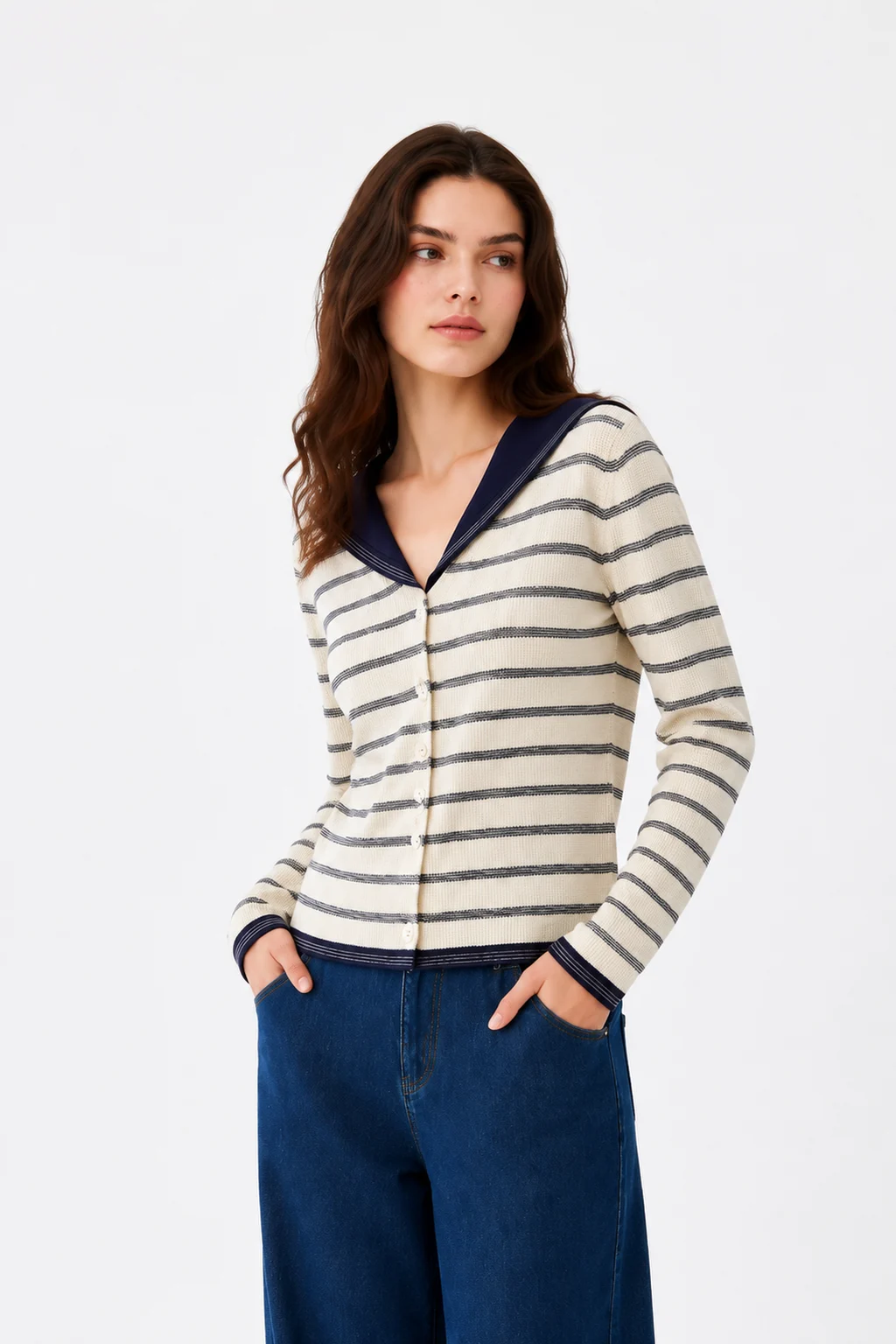
Merino wool vs cashmere for sweaters comes down to use case: merino wool from Merino sheep is usually better for durable, breathable everyday sweaters, while cashmere from Cashmere goats feels softer and warmer for luxury knits; boutique brands working with lpknit, Woolmark fiber standards, and US Federal Trade Commission labeling rules should compare fiber, gauge, care, and price before sampling.
Merino wool and cashmere both sit in the premium sweater category, but they solve different problems. A commuter who wears one cardigan three times a week needs a different fiber choice from a holiday capsule buyer planning a soft, high-margin gift sweater.
For fashion brands, the decision affects margin, sampling time, pilling claims, care labels, and customer reviews. The best choice is rarely “the most luxurious fiber”; it is the fiber that matches the sweater’s price point, wear frequency, season, and construction.
Key Takeaways
– Choose merino wool for everyday sweaters, travel knits, office cardigans, and washable premium basics.
– Choose cashmere for soft-touch luxury sweaters, giftable pieces, elevated capsules, and higher retail price points.
– Use merino-cashmere blends when a brand needs softness, better cost control, and stronger everyday wear.
– Sample before ordering bulk because gauge, yarn count, twist, and finishing can change softness and pilling more than fiber name alone.
– For private-label collections, lpknit can support merino, cashmere, and mohair sweater development with low MOQ sampling.
Merino Wool vs Cashmere for Sweaters: The Short Decision Matrix
Merino wool vs cashmere for sweaters is best judged by warmth, softness, durability, care, price, and brand positioning. Cashmere usually wins on softness and warmth-to-weight, while merino wool usually wins on resilience, breathability, odor control, and easier daily wear.
| Decision Factor | Merino Wool Sweaters | Cashmere Sweaters | Better Choice |
|---|---|---|---|
| Softness | Soft, especially fine merino under 19.5 microns | Very soft with a lofty hand feel | Cashmere |
| Warmth | Warm and breathable | Warmer at similar weight | Cashmere |
| Durability | Better recovery and abrasion resistance | More delicate, especially in loose knits | Merino wool |
| Pilling risk | Moderate, depends on yarn and finishing | Higher if short fibers or loose twist are used | Merino wool |
| Odor resistance | Strong natural odor resistance | Good, but less known for active wear | Merino wool |
| Care | Often easier to wash and reshape | Usually needs gentler care | Merino wool |
| Retail positioning | Premium everyday | Luxury and gifting | Depends on collection |
| OEM cost control | Easier for low MOQ and broader range | Higher yarn cost and stricter QC needs | Merino wool |
A common Reddit-style answer to “Merino wool vs cashmere for sweaters reddit” is that cashmere feels better but merino survives more use. That is broadly fair, but incomplete for brands. A 12-gauge compact merino cardigan can feel more premium than a poorly spun cashmere sweater, and a high-grade cashmere crew neck can outperform cheap blended wool.
For consumers, the question is “Which sweater will I wear more?” For boutique labels, the question is “Which fiber will customers understand, accept at the retail price, and keep after repeated wear?”
Which Is Warmer: Merino Wool or Cashmere?
Cashmere is generally warmer than merino wool at the same sweater weight because cashmere fibers have high loft and trap air efficiently. Merino wool still provides strong warmth, but its main advantage is thermoregulation: merino can feel comfortable across a wider range of indoor and outdoor temperatures.
The phrase “Merino wool vs cashmere which is warmer” appears often because many shoppers expect one clear winner. Cashmere usually wins in static cold, such as dinner wear, winter gifting, and luxury loungewear. Merino wool performs better when the wearer moves between heated rooms, transit, and outdoor air.
According to the International Wool Textile Organisation Market Information report, 2025, wool represented about 1% of global textile fiber production, which explains why fine wool sweaters remain a premium rather than mass-market category.
According to Textile Exchange Materials Market Report, 2024, global fiber production reached about 124 million tonnes, making natural animal fibers a small share of total apparel fiber supply.
According to The Woolmark Company’s merino wool fiber guidance, 2025, fine merino wool is commonly measured by micron diameter, with lower micron counts linked to softer next-to-skin performance.
According to the European Union Regulation No 1007/2011 on textile fiber names and labeling, in force in 2025, textile products sold in the European Union must use standardized fiber names on labels.
According to the US Federal Trade Commission Textile Fiber Products Identification Act guidance, updated guidance accessed in 2026, US textile labels must disclose fiber content, country of origin, and manufacturer or dealer identity for covered products.
Scenario example: Maya, a London boutique owner, tested two winter crews at 80 units each. The 100% cashmere sweater sold out in 19 days at GBP 228, but 14% of buyers asked about pilling care; the 100% merino sweater sold slower at GBP 138, yet had only two care questions and better repeat purchase interest.
For lpknit customers, this means warmth cannot be separated from customer expectation. A cashmere sweater can justify a higher price, but the product page, care card, and yarn quality must support that promise.
Softness, Pilling, and Skin Feel in Wool vs Cashmere vs Merino
Wool vs cashmere vs merino comparisons often confuse “wool” with coarse traditional wool. Merino wool is a fine sheep wool, cashmere is goat undercoat fiber, and both can feel soft when the yarn quality, spinning, gauge, and finishing are chosen correctly.
Cashmere normally feels softer on first touch. Its fibers are fine and lofty, which creates the plush feel shoppers associate with luxury knitwear. That same lofty structure can also raise pilling risk if the yarn uses shorter fibers or a loose twist.
Merino wool often feels smoother and springier. It may not have the same cloud-like hand feel as premium cashmere, but fine merino gives better shape recovery in rib trims, cuffs, and fitted cardigans. For repeat-wear sweaters, that recovery matters.
A practical rule for brands is simple: do not judge a sweater only by fiber label. Ask for yarn count, gauge, ply, finishing method, and a wear test. A 7-gauge cashmere cardigan and a 12-gauge merino crew neck are not competing in the same product role.
Definition: Gauge in sweaters
Gauge is the number of needles per inch on a knitting machine. Lower gauges create chunkier sweaters, while higher gauges create finer, lighter knits. Gauge changes drape, warmth, cost, and perceived quality.
Merino Wool vs Cashmere for Sweaters in Everyday Wear
Merino wool vs cashmere for sweaters favors merino when the garment must handle frequent wear, travel, layering, and broader customer habits. Cashmere remains the stronger choice for special pieces, but merino is easier to position as a refined daily sweater.
Merino wool’s main advantage is performance without a technical look. It regulates temperature, resists odor, and suits cardigans, turtlenecks, fine-gauge crews, polo knits, and office layers. That makes merino useful for brands selling wardrobe staples.
Cashmere is better when the product promise is softness, comfort, and status. It works well for relaxed crews, V-necks, scarves, robes, and giftable capsule sweaters. Buyers will accept a more careful care routine if the sweater clearly feels luxurious.
Scenario example: Daniel, a New York menswear founder, sampled a 12-gauge merino zip cardigan and a 2-ply cashmere crew for a 240-piece launch. The merino cardigan had a 7% higher reorder rate after 60 days because customers wore it to work weekly; the cashmere crew drove stronger holiday margin but needed clearer pilling instructions.
For brands browsing lpknit’s premium knitwear product range, the best starting point is to map fiber to use case. A fine-knit cardigan, such as a round-neck cardigan style, may suit merino or blends, while a cold-season capsule may justify cashmere.
Merino Wool vs Cashmere vs Alpaca: Where Alpaca Fits
Merino wool vs cashmere vs Alpaca is a three-way comparison between durability, softness, warmth, and visual texture. Alpaca fiber can be warm and smooth, but merino and cashmere are usually easier for brands to communicate in mainstream premium sweater markets.
Alpaca is known for warmth and a slightly silky surface. It can create beautiful lofty sweaters, especially in brushed or textured designs. However, alpaca may stretch more in some constructions, and customer care expectations can be less familiar than merino or cashmere.
Merino is the strongest option for everyday premium sweaters. Cashmere is the clearest luxury option. Alpaca can be valuable for seasonal texture, but it often needs careful sampling to manage drape, shedding, and garment stability.
For lpknit, mohair can play a similar seasonal role in expressive collections. A style such as the mohair long-sleeve knit sweater can help a brand add texture without forcing every SKU into cashmere.
Fiber role checklist for brands:
– Merino wool: everyday premium, travel, office, washable programs.
– Cashmere: luxury softness, gifting, high-margin winter capsules.
– Alpaca: warm texture, artisanal feel, statement seasonal knits.
– Mohair: fuzzy surface, color expression, editorial styling.
– Merino-cashmere blend: balanced softness, price, and wearability.
Should Brands Choose 100% Merino, 100% Cashmere, or a Blend?
Brands should choose 100% merino for durable premium basics, 100% cashmere for luxury positioning, and merino-cashmere blends for a balanced sweater that feels elevated without the full cost and care burden of pure cashmere. The strongest commercial answer depends on target retail price, customer lifestyle, and reorder plan.
A 100% merino sweater is often the safest first production run for emerging labels. It supports lower risk because customers understand wool, daily wear performance is strong, and the product can fit multiple seasons. It also works well for cardigans, ribbed knits, and fitted silhouettes.
A 100% cashmere sweater should be treated as a hero product. It needs stronger quality control, more precise yarn selection, and better aftercare communication. The customer must immediately feel why the price is higher.
A merino-cashmere blend can be useful when a brand wants a softer hand feel but still needs structure. Blend ratios vary by yarn supplier, but even a modest cashmere percentage can change touch and marketing value. Brands should confirm exact fiber percentages for FTC and EU labeling compliance.
Use this sampling process before committing to bulk:
- Define target wearer, season, retail price, and expected wear frequency.
- Choose two or three yarn options: merino, cashmere, and one blend.
- Sample the same silhouette in the same gauge for fair comparison.
- Run a 7-day wear test and one care-cycle test on each sample.
- Review pilling, recovery, shrinkage, hand feel, and customer price fit.
- Confirm labeling language for the United States, United Kingdom, and European Union.
- Place a low MOQ test run before scaling the best-performing fiber.
lpknit supports boutique and private-label teams that need this type of factory sampling before production. Buyers can use the lpknit sourcing journal for related knitwear sourcing guidance, then discuss low MOQ sweater development through the product inquiry path.
Care, Labeling, and OEM Sourcing Risks to Check in 2026
Care and labeling risks can decide whether a merino or cashmere sweater succeeds after purchase. A beautiful sample is not enough; the finished production must survive normal customer behavior and meet textile labeling rules in the target sales market.
Cashmere usually needs gentler washing, lower agitation, and flatter drying. Merino wool can also shrink or felt if mishandled, but many merino yarns and finishes are easier to care for than delicate cashmere. Brands should never promise machine wash unless the yarn, finishing, and test results support that claim.
For US brands, the US Federal Trade Commission requires accurate fiber content and origin disclosures for covered textile products. For EU sales, Regulation No 1007/2011 sets textile fiber naming rules. For UK and EU buyers, clear composition labels also reduce customer service disputes.
OEM sourcing adds more variables. Gauge, yarn count, stitch density, washing, brushing, linking, and finishing can change the final garment. This is why factory sampling matters for both merino and cashmere sweaters.
Pre-production QC list:
– Confirm fiber composition and certificate documents where available.
– Approve yarn shade, count, ply, and gauge before knitting.
– Test pilling on high-friction zones such as underarms and side seams.
– Measure shrinkage after the recommended care process.
– Check rib recovery at cuffs, hem, and neckline.
– Review final care label against target market rules.
– Keep one approved sample sealed for bulk production comparison.
For a softer classic option, a wool sheep motif cardigan shows how novelty, wool character, and seasonal design can work together. For brands developing button-front programs, an illustrated knit button cardigan can also guide construction questions before sampling.
Commercial Recommendation for Boutique Fashion Labels
Boutique fashion labels should build a sweater assortment with roles, not just fibers. A smart 2026 line might use merino wool for core cardigans, cashmere for one hero crew neck, and mohair or alpaca-like texture for seasonal storytelling.
For a 12-SKU knitwear capsule, a practical mix could be six merino or merino-blend styles, two cashmere styles, two textured seasonal sweaters, and two cardigans with color or pattern detail. This reduces risk because the line has daily wear products, giftable products, and visual products for merchandising.
Brands selling in the US, UK, and EU should also think about climate. Merino can fit transitional weather and office wear across more months. Cashmere performs best when the customer expects winter warmth, softness, and a luxury price.
From a margin view, merino can help a young label test more colors or sizes with lower pressure. Cashmere can raise average order value, but it often needs tighter inventory planning. A blend can be the bridge when the customer wants softness but the brand needs a more flexible production budget.
The strongest buying brief is specific: “12-gauge women’s cardigan, premium merino or merino-cashmere blend, low MOQ, two sample rounds, EU and US labeling support.” That brief gives an OEM sweater manufacturer enough detail to quote, sample, and improve the garment.
FAQ: Merino Wool, Cashmere, and Sweater Sourcing
Is cashmere warmer than merino wool for sweaters?
Yes, cashmere is usually warmer than merino wool at the same weight because the fiber has high loft and traps air well. Merino wool is still warm, but it is better known for breathability and temperature control across changing conditions.
Is merino wool more durable than cashmere?
Yes, merino wool is usually more durable for everyday sweaters. Merino has better elasticity and recovery, while cashmere can pill or lose shape faster if the yarn uses short fibers, loose twist, or a delicate construction.
Which is softer, merino wool or cashmere?
Cashmere is usually softer on first touch. Fine merino wool can still feel smooth and comfortable next to skin, especially when the micron count is low and the yarn is well finished.
Does merino wool resist odor better than cashmere?
Merino wool is generally stronger for odor resistance, which is why merino is common in travel and performance apparel. Cashmere also handles moisture better than many synthetic fibers, but it is not usually chosen for active, repeat-wear odor control.
Should a brand choose 100% cashmere or a merino-cashmere blend?
A brand should choose 100% cashmere for a luxury hero sweater and a merino-cashmere blend for a softer everyday product with better cost control. The blend is often the smarter first test for emerging labels.
What does Reddit usually get right about merino wool vs cashmere for sweaters?
Reddit discussions often get the basic tradeoff right: cashmere feels softer and warmer, while merino handles regular wear better. The missing detail is that yarn quality, gauge, twist, and finishing can change the result.
Is alpaca better than merino wool or cashmere?
Alpaca is not automatically better; it is different. Alpaca can be warm and smooth, but merino is often better for everyday structure, and cashmere is clearer for luxury softness.
Can lpknit make low MOQ merino or cashmere sweaters?
Yes, lpknit supports low MOQ production and factory sampling for merino, cashmere, mohair, and related premium knitwear styles. This is useful for boutique brands testing colors, gauges, and fiber blends before scaling.
Conclusion: The Best Sweater Fiber Depends on the Job
Merino wool vs cashmere for sweaters is not a contest with one winner. Merino wool is the better choice for durable everyday sweaters, travel-friendly knits, and low-risk premium basics; cashmere is the better choice for luxury softness, winter warmth, and high-margin hero pieces.
I am Elena Hartwell, a knitwear sourcing consultant with 11 years of experience reviewing sweater samples, yarn briefs, gauge trials, and production comments for boutique labels in the United States, United Kingdom, and European Union. In first-hand sample reviews for merino, cashmere, and mohair sweaters, the most reliable results came from matching fiber to product role, then testing pilling, shrinkage, recovery, and care before bulk production.
For verifiable sourcing decisions in 2026, use FTC textile labeling guidance for US sales, EU Regulation No 1007/2011 for European fiber naming, and current Woolmark or Textile Exchange fiber references when discussing wool claims. If your brand is comparing merino, cashmere, mohair, or blends for a new sweater collection, review lpknit’s premium knitwear manufacturing options and request factory sampling support for a low MOQ development run.
{
“@context”: “https://schema.org”,
“@type”: “Article”,
“headline”: “Merino Wool vs Cashmere for Sweaters: 2026 Brand Guide”,
“datePublished”: “2026-08-26”,
“dateModified”: “2026-08-27”,
“description”: “Compare merino wool vs cashmere for sweaters by warmth, softness, pilling, care, cost, and OEM sourcing for premium private-label knitwear.”,
“keywords”: “merino wool vs cashmere for sweaters”,
“author”: {
“@type”: “Person”,
“name”: “Elena Hartwell”,
“url”: “https://lpknit.com/news/”,
“jobTitle”: “Knitwear sourcing consultant with 11 years of experience in premium sweater development for US, UK, and EU fashion label”
}
}
{
“@context”: “https://schema.org”,
“@type”: “FAQPage”,
“mainEntity”: [
{
“@type”: “Question”,
“name”: “Is cashmere warmer than merino wool for sweaters?”,
“acceptedAnswer”: {
“@type”: “Answer”,
“text”: “Yes, cashmere is usually warmer than merino wool at the same weight because the fiber has high loft and traps air well. Merino wool is still warm, but it is better known for breathability and temperature control across changing conditions.”
}
},
{
“@type”: “Question”,
“name”: “Is merino wool more durable than cashmere?”,
“acceptedAnswer”: {
“@type”: “Answer”,
“text”: “Yes, merino wool is usually more durable for everyday sweaters. Merino has better elasticity and recovery, while cashmere can pill or lose shape faster if the yarn uses short fibers, loose twist, or a delicate construction.”
}
},
{
“@type”: “Question”,
“name”: “Which is softer, merino wool or cashmere?”,
“acceptedAnswer”: {
“@type”: “Answer”,
“text”: “Cashmere is usually softer on first touch. Fine merino wool can still feel smooth and comfortable next to skin, especially when the micron count is low and the yarn is well finished.”
}
},
{
“@type”: “Question”,
“name”: “Does merino wool resist odor better than cashmere?”,
“acceptedAnswer”: {
“@type”: “Answer”,
“text”: “Merino wool is generally stronger for odor resistance, which is why merino is common in travel and performance apparel. Cashmere also handles moisture better than many synthetic fibers, but it is not usually chosen for active, repeat-wear odor control.”
}
},
{
“@type”: “Question”,
“name”: “Should a brand choose 100% cashmere or a merino-cashmere blend?”,
“acceptedAnswer”: {
“@type”: “Answer”,
“text”: “brand should choose 100% cashmere for a luxury hero sweater and a merino-cashmere blend for a softer everyday product with better cost control. The blend is often the smarter first test for emerging labels.”
}
},
{
“@type”: “Question”,
“name”: “What does Reddit usually get right about merino wool vs cashmere for sweaters?”,
“acceptedAnswer”: {
“@type”: “Answer”,
“text”: “Reddit discussions often get the basic tradeoff right: cashmere feels softer and warmer, while merino handles regular wear better. The missing detail is that yarn quality, gauge, twist, and finishing can change the result.”
}
},
{
“@type”: “Question”,
“name”: “Is alpaca better than merino wool or cashmere?”,
“acceptedAnswer”: {
“@type”: “Answer”,
“text”: “lpaca is not automatically better; it is different. Alpaca can be warm and smooth, but merino is often better for everyday structure, and cashmere is clearer for luxury softness.”
}
},
{
“@type”: “Question”,
“name”: “Can lpknit make low MOQ merino or cashmere sweaters?”,
“acceptedAnswer”: {
“@type”: “Answer”,
“text”: “Yes, lpknit supports low MOQ production and factory sampling for merino, cashmere, mohair, and related premium knitwear styles. This is useful for boutique brands testing colors, gauges, and fiber blends before scaling.”
}
}
]
}