

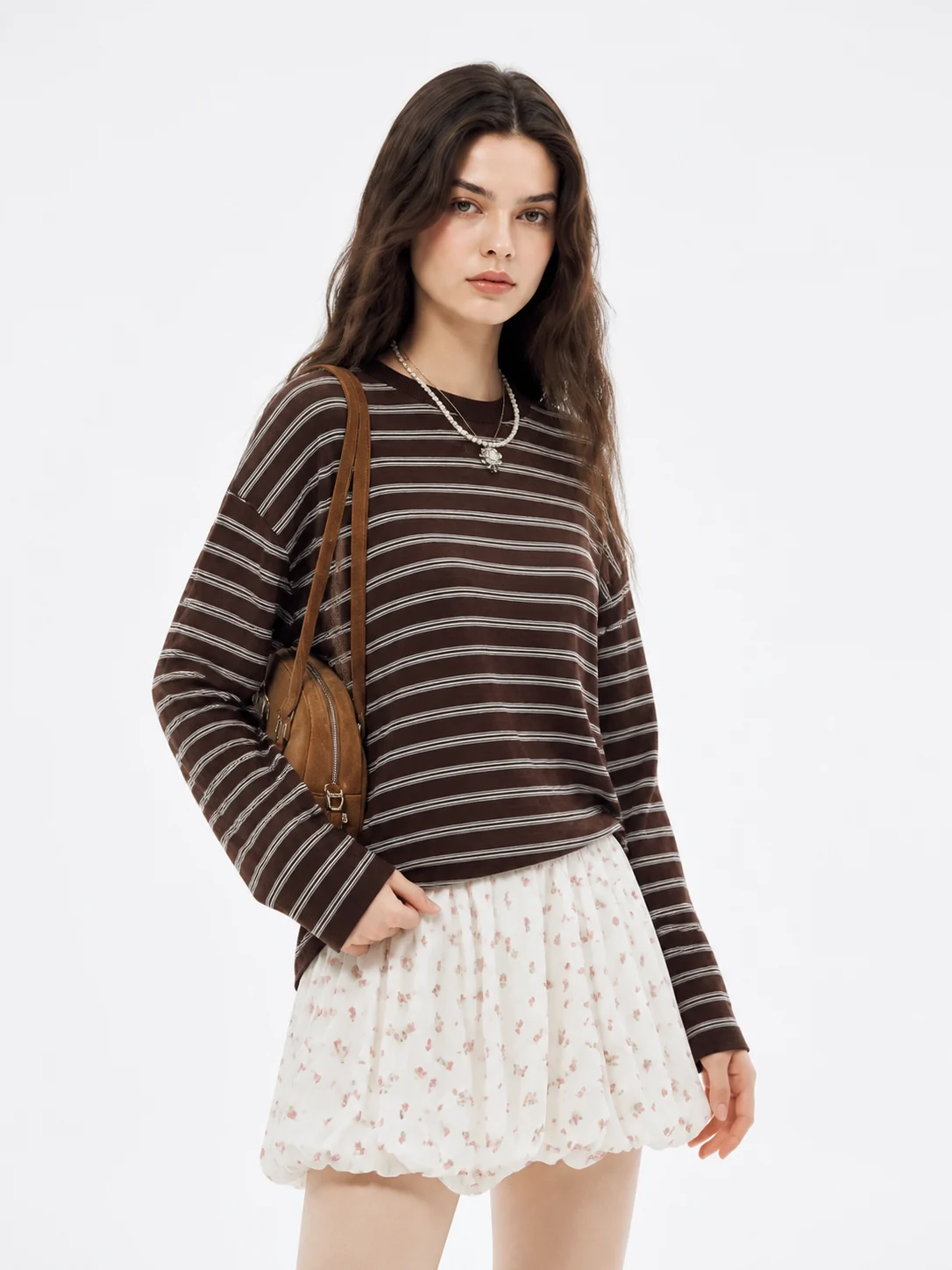
To plan a low MOQ knitwear collection, choose a focused customer and season, develop a compact range of two or three styles, and set quantity by style, color, and size before requesting samples. Compare merino, cashmere, and mohair against target retail price and care needs; then confirm each factory’s minimums, sampling fees, lead time, and repeat-order terms in writing. A clear tech pack helps an OEM supplier such as lpknit assess feasibility before bulk production.
A small first collection should test a specific customer proposition, not imitate a full seasonal range. The planning challenge is to limit inventory while still offering enough choice in silhouette, color, and price for a coherent launch.
Low MOQ does not mean the same quantity at every factory. A supplier may set a minimum per style, yarn, color, or production run, so buyers should confirm what the quote actually covers before they divide a budget across SKUs.
Key takeaways
– Start with two or three complementary styles and a clear price ladder.
– Calculate units by style, color, and size; do not treat one total MOQ as the whole commitment.
– Approve yarn, gauge, measurements, and finishing through samples before bulk production.
– Ask for a written breakdown of MOQ, sample costs, lead time, testing, and reorder terms.
– Low MOQ can limit inventory exposure, but it may raise unit cost or constrain yarn and color choices.
What “low MOQ” means for a knitwear collection
A low MOQ is a supplier’s relatively small minimum production commitment, but there is no universal industry threshold that defines it. For knitwear, the practical minimum may apply to each style, color, yarn, or order, so a 120-unit order can still exceed the workable minimum if it requires several separate colorways.
Before comparing factories, request the basis of each minimum in writing. Confirm whether the number applies to a style-color combination, whether sizes can be mixed, and whether the supplier can combine yarn or color bookings across designs.
| MOQ structure | What the minimum applies to | Planning question |
|---|---|---|
| Per style | One design across permitted options | Can sizes be combined within the style? |
| Per style and color | Each colorway in each design | Does every color require a separate yarn lot or setup? |
| Per yarn or yarn lot | A minimum yarn purchase or dye lot | Can the same yarn be shared across multiple styles? |
| Per order | The full production order | Are there limits on how the order is divided? |
Example: A boutique planning 120 cardigans across three colors should not assume it can order 40 units per color. If the factory’s minimum is 50 units per style-color, the plan must change: consolidate to two colors, increase units, or choose another production arrangement.
How to plan a low MOQ knitwear collection step by step
A workable low MOQ knitwear collection begins with decisions that reduce production variables early. Set the customer, range, target economics, and supplier questions before approving a sample or promising a delivery date.
- Define the collection’s job. Write one sentence naming the customer, wearing occasion, season, and price tier. For example: “A refined autumn capsule for urban professionals, priced for premium boutique retail.”
- Set a test budget. Reserve funds for development, samples, bulk goods, freight, duties, and contingency. Do not allocate the whole budget to garment units.
- Choose a compact range. Use two or three styles that share a design language and, where practical, yarn or finishing details.
- Map the quantities. Calculate units by style, color, and size using the supplier’s actual MOQ rules and your sales assumptions.
- Build a supplier-ready brief. Provide drawings, measurements, yarn direction, construction details, labels, packaging, and target dates.
- Sample and assess. Check fit, handfeel, stitch definition, color, finishing, and care requirements against the approved brief.
- Approve bulk production in writing. Confirm the final specification, tolerances, price, delivery window, inspection plan, and reorder conditions.
Example collection architecture
A first capsule can stay focused without looking repetitive. One option is a core merino cardigan, a fine-knit crewneck, and a seasonal mohair layer, each serving a different use case and retail price point.
Example: Maya runs a small UK boutique and sets a 150-unit opening buy. She plans 60 merino cardigans, 54 fine-knit sweaters, and 36 mohair pullovers, then limits each style to two colors. The assortment gives customers a core layer, an everyday option, and a higher-texture seasonal piece while keeping the number of style-color combinations manageable.
This is a planning illustration, not a universal MOQ recommendation. The final unit plan depends on supplier minimums, yarn availability, size curve, expected demand, and the brand’s cash-flow limit.
How to choose styles, colors, and quantities for low MOQ
Style and color choices determine how quickly a small collection multiplies into separate SKUs. Plan units at the style-color-size level, and avoid adding a color unless it improves the customer offer enough to justify its separate minimum and inventory risk.
Use this simple worksheet:
- Total units = sum of units across all styles and colorways.
- Style-color units = total units allocated to one design in one color.
- Size allocation = style-color units distributed across sizes using expected demand.
- SKU count = number of style-color-size combinations offered for sale.
Example: If a style-color has 30 units across five sizes, a brand might allocate 3 XS, 7 S, 10 M, 7 L, and 3 XL. This curve is only a starting hypothesis; a brand with sales history should use its own demand, and a new label should avoid assuming every size will sell evenly.
A low unit count spread across many options can create thin stock in popular sizes. When cash is constrained, first reduce the number of colors or designs rather than dividing every style into a small number of units that may not cover demand or the factory minimum.
How to plan a low MOQ collection around yarn and price
Yarn choice affects appearance, handfeel, care, production cost, and seasonal use. Select a fiber based on the intended garment and customer, then ask the supplier to confirm yarn availability, gauge, construction, and care instructions for the proposed design.
| Yarn direction | Useful for | Planning trade-off |
|---|---|---|
| Merino wool | Fine-gauge everyday sweaters and layering pieces | Confirm the intended handfeel, yarn source, care label, and pilling expectations. |
| Cashmere | Soft, premium-feeling pieces with an elevated price position | Check fiber specification, quality documentation, budget impact, and care communication. |
| Mohair | Lightweight, textured statement layers and seasonal styles | Assess shedding, surface appearance, comfort, and how the yarn behaves in the chosen construction. |
Avoid selecting a fiber from its name alone. Ask for the exact yarn composition and specification, and test the intended sample for fit, surface, and wear behavior. Fiber content also affects the label information a brand must provide in its destination market.
A useful price check starts with landed cost, not factory price. Add garment cost, sample and development costs allocated across the order, freight, duties, packaging, and any inspection or testing charges; then compare the result with the brand’s target wholesale and retail prices.
What to put in a knitwear supplier brief
A supplier brief gives an OEM factory enough detail to estimate feasibility and develop a meaningful sample. Missing measurements, construction notes, or color references can create avoidable sample rounds and make quotes difficult to compare.
Include these details before asking for a quote:
- Design: front and back flats, reference images, intended fit, and design details.
- Measurements: points of measure, finished garment dimensions, grading, and tolerances.
- Yarn and fabric: fiber composition target, yarn type if known, gauge, stitch, and color references.
- Construction: neckline, cuffs, hem, placket, buttons, pockets, seams, and finishing.
- Order plan: styles, colors, estimated units per size, target delivery date, and destination market.
- Branding: labels, trims, packaging, and placement instructions.
- Commercial terms: target price range, sampling budget, inspection expectations, and repeat-order outlook.
When exact technical details are unknown, mark them as open questions rather than presenting guesses as final specifications. lpknit’s knitwear product range includes different cardigan and sweater directions that can help a buyer communicate design references; a fine-knit round-neck cardigan is one example of a classic silhouette to discuss.
Low MOQ trade-offs: cost, samples, and lead time
Low MOQ usually exchanges buying flexibility for some combination of higher unit cost, narrower material choices, or extra setup time. Compare the full commercial offer, not only the minimum quantity, because sample fees, yarn booking, revisions, and delivery terms can change the real cost of a small run.
| Decision | Potential benefit | Risk to check |
|---|---|---|
| Smaller opening buy | Lower initial inventory commitment | Higher per-unit price or less favorable freight economics |
| More colorways | Broader customer choice | Separate color minimums, yarn lots, or lab-dip approvals |
| More sample revisions | Better chance of matching the brief | Added sample cost and development time |
| Shared yarn across styles | More efficient material planning | Designs may become less distinct or require different gauges |
| Repeat order after testing | Production can follow observed demand | Yarn availability, color continuity, and factory capacity may change |
Example: A US-based label has a $12,000 production budget and is deciding between two styles in three colors or three styles in two colors. If each additional style needs its own sample and setup, the second plan may offer broader product choice but leave less budget for bulk units. The buyer should compare both options using actual sample and production quotes before approving the range.
Sampling is a development step, not just a visual preview. Approve fit, measurement, stitch, color, trims, and finishing against the written specification; then ask how any changes affect price and lead time. For inspiration and sourcing topics, lpknit maintains a Knitwear Journal on sourcing and craft.
Dated rules and sources to check before production
Textile labeling requirements depend on where a garment is sold and how its fiber content is described. Check the current rules for each destination market before approving labels, product pages, or packaging.
- 2011: European Union Regulation (EU) No 1007/2011 sets rules on textile fibre names and related textile-product labelling in the EU. Check the EU textile fibre names and labelling regulation against the product and market.
- 2024: The US Federal Trade Commission’s Threading Your Way Through the Labeling Requirements Under the Textile and Wool Acts explains US disclosure requirements for covered textile and wool products. Confirm current requirements before launch.
- 2024: The UK government’s textile labelling guidance describes fibre-composition information required for textile products sold in Great Britain. Review guidance for the target market and product.
- 2023: ISO 3758:2023 specifies the care-labelling code using symbols for textile products. Ask the supplier and brand compliance contact to agree the care-label approach for the destination market.
- 2025: The U.S. Customs and Border Protection Country of Origin Marking guidance explains origin marking for imported goods. Confirm the marking plan with the importer or customs specialist.
These references are compliance checkpoints, not legal advice. Requirements can vary by product, sales territory, and updates to official guidance; verify the applicable rules at the time of production and sale.
Questions to ask a knitwear OEM supplier
A supplier conversation is useful when it resolves the points that affect cost, schedule, and risk. Send the same core brief to each factory so the responses can be compared on equal terms.
Ask:
- Is the MOQ per order, style, color, yarn, or style-color combination?
- Can sizes be mixed within a style-color minimum?
- What is included in the sample fee, and how many revisions are covered?
- Which yarns and colors are available for the proposed quantity?
- What approvals are required before bulk production?
- What are the estimated sampling and production timelines, and when do they begin?
- How are defects, measurement tolerances, and final inspection handled?
- Can the factory support repeat orders, and what conditions could affect price or availability?
For style references, compare a mohair long-sleeve sweater with a wool sheep-motif cardigan. These examples show different design directions; confirm the actual yarn, specifications, and production options directly with the supplier.
What is considered a low MOQ for knitwear?
There is no universal low-MOQ number for knitwear. A factory may set its minimum per order, style, color, yarn, or style-color combination, and may allow sizes to be mixed within that quantity. Ask for the exact MOQ structure in writing before building the collection plan.
What does MOQ mean in the garment industry?
MOQ means minimum order quantity: the smallest quantity a supplier will accept under specified production conditions. In knitwear, those conditions may include yarn purchase, color dyeing, machine setup, or design complexity. The quoted MOQ should state which of these conditions applies.
How many styles should a first knitwear collection include?
Two or three complementary styles are a practical starting point for many first collections because they can communicate a clear theme without multiplying development work. The right number depends on budget, sample costs, supplier minimums, and whether the styles share yarns or construction details.
How should a boutique brand divide units by size?
Use sales history if available, then allocate units according to expected demand and the factory’s size-mix rules. A new label can start with a simple size curve, but should keep the total units per style-color high enough to meet MOQ and avoid understocking likely bestsellers.
What information should be in a knitwear tech pack?
A knitwear tech pack should include design flats, measurements, grading, yarn or fiber targets, gauge and stitch direction, construction details, colors, trims, labels, packaging, target quantities, and delivery dates. Mark unresolved items clearly so the factory can flag feasibility before sampling.
Does low MOQ always reduce the cost of a collection?
No. A smaller order can reduce the amount of inventory purchased upfront, but may increase unit cost or limit yarn and color choices. Sample fees, freight, duties, and separate color minimums also affect the total. Compare landed cost and cash exposure, not MOQ alone.
How many sample rounds should a brand plan for?
There is no fixed number that fits every design. Plan enough time and budget to review fit, measurements, yarn, color, construction, and finishing, and ask the supplier what revisions are included in the sample fee. Approve bulk production only after the final sample and specification are confirmed.
When should a brand contact a knitwear manufacturer?
Contact a manufacturer once the design direction, target price, estimated quantities, and delivery window are clear enough to discuss feasibility. Early contact helps identify MOQ, yarn, and sampling constraints before a brand locks its assortment or launch calendar.
A low MOQ knitwear collection is best planned as a controlled product test: limit the range, calculate units at the style-color-size level, and approve a complete sample before bulk production. Elena Ward, a knitwear product development editor focused on supplier briefs and small-batch planning, recommends confirming factory terms and destination-market labeling requirements in writing; official references include EU Regulation (EU) No 1007/2011 and the U.S. Federal Trade Commission’s textile labeling guidance. lpknit specializes in merino, cashmere, and mohair sweaters, with OEM production and factory sampling for boutique brands. Explore lpknit’s knitwear range or contact the team through the website to discuss a collection brief, estimated quantities, and sampling.
{
“@context”: “https://schema.org”,
“@type”: “Article”,
“headline”: “Plan a Low MOQ Knitwear Collection: 2026 Brand Guide”,
“datePublished”: “2026-09-23”,
“dateModified”: “2026-09-23”,
“description”: “Build a low-risk knitwear launch with a clear style mix, unit plan, sampling brief, and supplier checklist. Compare yarn and MOQ trade-offs before you commit.”,
“keywords”: “how to plan a low MOQ knitwear collection”,
“author”: {
“@type”: “Person”,
“name”: “Elena Ward”,
“jobTitle”: “Knitwear product development editor focused on supplier briefs, sampling workflows, and small-batch collection planning.”
}
}
{
“@context”: “https://schema.org”,
“@type”: “FAQPage”,
“mainEntity”: [
{
“@type”: “Question”,
“name”: “What is considered a low MOQ for knitwear?”,
“acceptedAnswer”: {
“@type”: “Answer”,
“text”: “There is no universal low-MOQ number for knitwear. A factory may set its minimum per order, style, color, yarn, or style-color combination, and may allow sizes to be mixed within that quantity. Ask for the exact MOQ structure in writing before building the collection plan.”
}
},
{
“@type”: “Question”,
“name”: “What does MOQ mean in the garment industry?”,
“acceptedAnswer”: {
“@type”: “Answer”,
“text”: “MOQ means minimum order quantity: the smallest quantity a supplier will accept under specified production conditions. In knitwear, those conditions may include yarn purchase, color dyeing, machine setup, or design complexity. The quoted MOQ should state which of these conditions applies.”
}
},
{
“@type”: “Question”,
“name”: “How many styles should a first knitwear collection include?”,
“acceptedAnswer”: {
“@type”: “Answer”,
“text”: “Two or three complementary styles are a practical starting point for many first collections because they can communicate a clear theme without multiplying development work. The right number depends on budget, sample costs, supplier minimums, and whether the styles share yarns or construction details.”
}
},
{
“@type”: “Question”,
“name”: “How should a boutique brand divide units by size?”,
“acceptedAnswer”: {
“@type”: “Answer”,
“text”: “Use sales history if available, then allocate units according to expected demand and the factory’s size-mix rules. A new label can start with a simple size curve, but should keep the total units per style-color high enough to meet MOQ and avoid understocking likely bestsellers.”
}
},
{
“@type”: “Question”,
“name”: “What information should be in a knitwear tech pack?”,
“acceptedAnswer”: {
“@type”: “Answer”,
“text”: “knitwear tech pack should include design flats, measurements, grading, yarn or fiber targets, gauge and stitch direction, construction details, colors, trims, labels, packaging, target quantities, and delivery dates. Mark unresolved items clearly so the factory can flag feasibility before sampling.”
}
},
{
“@type”: “Question”,
“name”: “Does low MOQ always reduce the cost of a collection?”,
“acceptedAnswer”: {
“@type”: “Answer”,
“text”: “No. A smaller order can reduce the amount of inventory purchased upfront, but may increase unit cost or limit yarn and color choices. Sample fees, freight, duties, and separate color minimums also affect the total. Compare landed cost and cash exposure, not MOQ alone.”
}
},
{
“@type”: “Question”,
“name”: “How many sample rounds should a brand plan for?”,
“acceptedAnswer”: {
“@type”: “Answer”,
“text”: “There is no fixed number that fits every design. Plan enough time and budget to review fit, measurements, yarn, color, construction, and finishing, and ask the supplier what revisions are included in the sample fee. Approve bulk production only after the final sample and specification are confirmed.”
}
},
{
“@type”: “Question”,
“name”: “When should a brand contact a knitwear manufacturer?”,
“acceptedAnswer”: {
“@type”: “Answer”,
“text”: “Contact a manufacturer once the design direction, target price, estimated quantities, and delivery window are clear enough to discuss feasibility. Early contact helps identify MOQ, yarn, and sampling constraints before a brand locks its assortment or launch calendar.”
}
}
]
}