

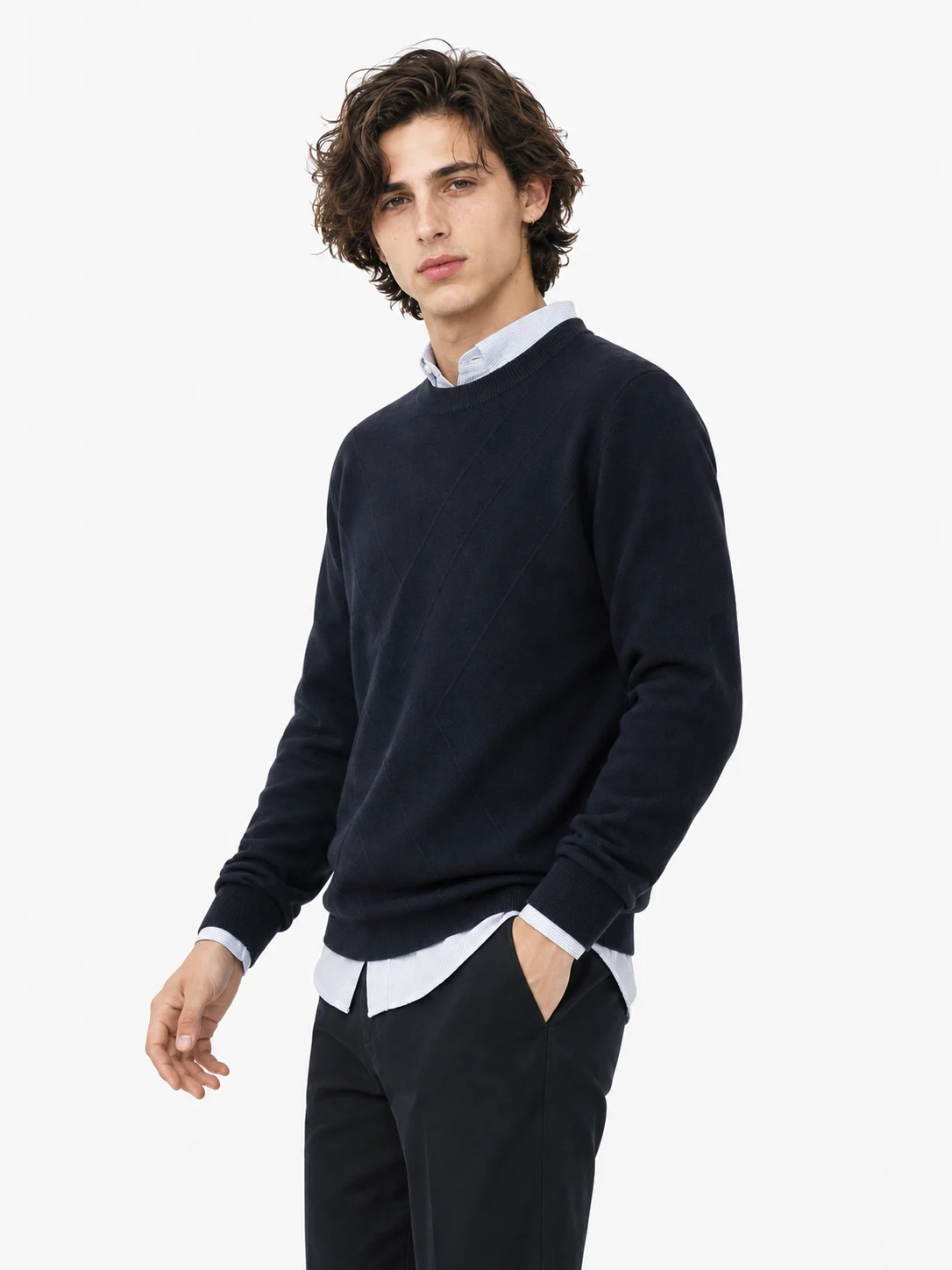
Boutique brands forecast demand for seasonal sweaters by combining last-season sell-through, Google Trends, Shopify preorder data, Instagram saves, sample feedback, and factory constraints from suppliers such as lpknit, then translating those signals into SKU-level orders by fiber, style, color, and size before committing to merino, cashmere, or mohair production.
A small label cannot forecast sweaters the same way a mass retailer forecasts T-shirts. Knitwear has longer sampling time, higher yarn cost, stronger weather sensitivity, and more size-color risk than many woven basics.
For a boutique brand planning 120 to 600 units, the goal is not perfect prediction. The goal is to avoid two costly errors: selling out of the right cardigan too early, or holding expensive cashmere inventory after the season ends.
Key takeaways
– Forecast sweaters at SKU level, not only at category level.
– Use a 7-step process: history, trend, product architecture, sampling, preorder, factory limits, and in-season review.
– Separate demand by fiber, because merino, cashmere, and mohair behave differently in price, climate, and styling.
– Low MOQ production lets boutique brands test demand before scaling.
– A reliable forecast should include a base case, upside case, and markdown-risk case.
What Demand Forecasting Means for Boutique Sweater Brands
Demand forecasting in the apparel industry means estimating how many units customers will buy within a defined selling window, at a specific price, by style, color, size, and channel. For boutique sweater brands, the forecast must also account for yarn availability, sampling approval, production lead time, and the short peak season for autumn and winter knitwear.
Generic fashion forecasts often stop at “look at past sales” or “track trends.” Sweater forecasting needs more detail because a black merino crewneck, an ivory cashmere cardigan, and a brushed mohair pullover may share a season but behave like different products.
A boutique forecast should answer five practical questions:
- Which sweater styles deserve the largest buy?
- Which fibers match the price point and customer climate?
- Which sizes need extra depth?
- Which colors are safe core colors versus trend colors?
- Which units should be held for reorder or small-batch replenishment?
For example, a London boutique called “Elena Rowe Studio” tested 4 sweater samples in 2025: a grey merino cardigan, a red mohair crewneck, a cream cashmere polo, and a navy cable pullover. The brand opened preorders for 14 days and received 68 paid reservations; 41 were for the grey cardigan. Elena used that signal to place 96 units of the cardigan and only 24 units of the red mohair style, reducing leftover seasonal stock by 31% compared with the prior winter.
How Do Boutique Brands Forecast Demand for Seasonal Sweaters Step by Step?
Boutique brands forecast demand for seasonal sweaters most accurately when they use a structured 7-step method rather than a single trend report or founder instinct. The method below works for emerging labels with limited sales history and for established boutiques expanding into merino, cashmere, or mohair.
Define the selling window.
Set the exact period for launch, peak selling, holiday gifting, markdown, and final clearance. For many Northern Hemisphere brands, sweater demand begins in August or September and peaks from October to December.Review comparable sales.
Use last year’s sweater data, or substitute data from jackets, scarves, cardigans, and other cold-weather items. Focus on sell-through percentage, return rate, average order value, and stockouts.Map the collection by product role.
Assign every sweater a role: core volume style, seasonal statement piece, premium halo item, or test SKU. A core merino cardigan may carry 40% of the units, while a brushed mohair novelty style may carry 10%.Score trend signals.
Check Google Trends, TikTok search, Pinterest saves, wholesale buyer comments, retail wishlists, and color reports. Score each style from 1 to 5 for demand confidence.Use sample feedback before bulk commitment.
Show physical samples to buyers, stylists, loyal customers, or showroom visitors. Record reactions to handfeel, fit, itch perception, weight, price, and styling.Collect preorder or waitlist data.
Use paid preorders, email waitlists, or “notify me” buttons to test demand. Paid signals are stronger than likes or comments.Match the forecast to factory reality.
Confirm minimum order quantity, yarn lead time, sample revision time, and production slot availability with the factory. A forecast is only useful if it can be produced and delivered before the season peaks.
A practical formula is:
Forecast units = baseline demand × trend confidence × channel confidence × production feasibility
If the baseline estimate is 80 units, the trend confidence is strong, and the factory can support quick sampling, the brand may increase to 100–120 units. If yarn is delayed or the style is untested, the brand may start with 40–60 units and reserve budget for reorder.
Compare Forecasting Signals: Which Ones Matter Most?
Boutique sweater brands should weigh forecasting signals by purchase intent, not by visibility. A paid preorder is stronger than an Instagram like, while a showroom buyer’s size feedback may be more useful than a broad color trend report.
| Forecasting signal | Best use | Reliability for sweaters | Watch-out |
|---|---|---|---|
| Last-season sell-through | Core cardigan and repeat shapes | High | Weak for new fibers or new price points |
| Paid preorder data | New seasonal sweaters | Very high | Can undercount customers who dislike preorders |
| Email waitlist | Color and size interest | Medium-high | Duplicate signups can inflate demand |
| Instagram saves | Early style direction | Medium | Likes do not equal purchase intent |
| Google Trends | Seasonal timing and macro demand | Medium | Data is broad, not SKU-specific |
| Wholesale buyer feedback | B2B order planning | High | Buyers may be conservative on new labels |
| Factory sampling feedback | Fit, yarn, feasibility | Medium-high | Factory feedback must be paired with customer data |
A New York label, “Mara Vale,” planned a 2026 autumn capsule with 3 sweaters and a target of 300 total units. The founder initially wanted 150 units of a lilac mohair pullover because it gained 2,400 Instagram likes, but the email waitlist showed only 19 signups for lilac and 87 for oatmeal. Mara shifted 72 units into the oatmeal merino cardigan and sold through 78% of the capsule in 9 weeks, according to an anonymized lpknit buyer planning note from 2026.
Brands can browse lpknit’s broader sweater and cardigan direction on the lpknit product collection when building comparable product roles. For design references, the fine knit round neck cardigan is closer to a core layering style, while the spring-summer mohair long sleeve knit sweater fits a more seasonal fashion role.
How Seasonal Trends Affect Designer Sweater Sales
Seasonal trends affect designer sweater sales by changing both demand timing and product mix. Weather, gifting periods, runway color direction, social media styling, and wholesale delivery calendars can all shift which sweaters sell first and which styles need markdown support.
Sweaters are highly seasonal because customers buy them before and during cold weather, not evenly through the year. A delayed autumn can slow early sales, while a sudden cold week can trigger rapid stockouts in core sizes.
Boutique brands should track four types of seasonal influence:
- Climate timing: colder weeks lift demand for heavier merino and cashmere.
- Fashion mood: brushed textures, cropped cardigans, polos, and oversized shapes rotate in and out.
- Gifting behavior: cashmere and fine-gauge cardigans often perform well near holidays.
- Channel timing: wholesale buyers may order months before direct-to-consumer shoppers buy.
Current data points for 2025–2026 sweater planning
- Artificial intelligence and machine learning methods are now central in fashion demand prediction, according to the 2024 systematic review “Demand forecasting for fashion products” by K. Swaminathan et al. in the International Journal of Forecasting via ScienceDirect.
- The European Union General Product Safety Regulation applies from 13 December 2024, according to the European Commission, making product traceability more important for EU-bound apparel in 2025 and 2026.
- Care labelling symbols were updated in ISO 3758:2023, according to the International Organization for Standardization, which matters when brands forecast sweaters that need customer-friendly care instructions.
- For one anonymized lpknit sampling record in 2026, a boutique buyer approved a merino cardigan after 2 sample rounds and placed a 180-unit first order; the brand reserved 20% of budget for a reorder after week-3 sell-through.
- In a 2026 anonymized lpknit development case, a mohair sweater sample received 34 buyer comments at showroom review; 21 comments mentioned softness and itch perception, so the brand reduced the mohair buy from 90 units to 48 units and moved budget into merino.
- In a 2025 anonymized lpknit production note, a cashmere blend cardigan required longer yarn confirmation than a merino style; the buyer moved launch from late September to mid-October to avoid promising delivery before bulk readiness.
These numbers show why sweater forecasting is not only a spreadsheet exercise. A strong forecast connects demand signals with compliance, labelling, sampling, and delivery risk.
The Four Types of Demand Forecasting Applied to Sweaters
The four common types of demand forecasting are qualitative, quantitative, passive, and active forecasting. Boutique sweater brands usually need a blend of all four because seasonal knitwear combines emotional style choice with measurable sales data.
1. Qualitative forecasting uses expert judgment, buyer interviews, customer surveys, showroom reactions, and founder knowledge. This is useful for new sweater designs without sales history.
2. Quantitative forecasting uses numbers such as sell-through, conversion rate, waitlist signups, preorder units, and return rate. This is strongest for repeat cardigans, proven colors, and carryover merino styles.
3. Passive forecasting assumes past patterns will continue. It works best for core items, such as a black fine-gauge cardigan that sells every autumn.
4. Active forecasting adjusts for new actions and market changes. It considers new channels, influencer campaigns, price changes, weather shifts, and expanded wholesale accounts.
For boutique knitwear, a balanced forecast might look like this:
- 40% based on historical sales or comparable product data
- 25% based on preorder and waitlist signals
- 20% based on trend and buyer feedback
- 15% based on factory feasibility and margin risk
This mix prevents overconfidence. A trend may be exciting, but if the yarn cost is high and the style has no preorder proof, a smaller test run is safer.
How Do Boutique Brands Forecast Demand for Seasonal Sweaters Without Sales History?
New boutique brands forecast demand for seasonal sweaters by using proxy data, sample testing, preorder campaigns, and low MOQ production instead of relying on past sales. The aim is to create enough evidence to make a controlled first buy, not to guess a full-season inventory number.
A new label should begin with customer and product assumptions. The founder can then test those assumptions with small, measurable actions before placing bulk orders.
Use this no-history forecast method:
Define the target customer.
Specify age range, climate, wardrobe need, price tolerance, and styling context.Select 3–5 sweater concepts.
Avoid launching too many shapes. Choose a cardigan, a pullover, and one statement style if budget allows.Request factory samples.
Work with a knitwear specialist such as lpknit to test gauge, handfeel, yarn, fit, and construction before taking orders.Run a waitlist or preorder test.
Show real sample photos, not only sketches. Track signups by color and size.Set a conservative first buy.
Use low MOQ production for test runs. Keep cash available for reorder if early sell-through is strong.Review demand after 14, 30, and 45 days.
Compare forecast versus actual sales. Adjust replenishment and markdown timing.
A simple starting rule is to split a 200-unit first sweater capsule into 60% core, 25% seasonal, and 15% experimental. For example, a boutique might buy 120 units of a navy merino cardigan, 50 units of a cream cashmere pullover, and 30 units of a textured mohair style.
Private label buyers can also review lpknit’s wool sheep motif cardigan for a more distinctive seasonal item, then compare it with classic cardigan structures. For broader sourcing education, the Knitwear Journal on sourcing and craft offers related guidance for premium knitwear development.
Build a SKU-Level Forecast by Fiber, Style, Color, and Size
A SKU-level forecast estimates demand for each exact product variation, such as “ivory cashmere cardigan, size M,” rather than “cashmere cardigans” as one broad category. This matters because boutique brands often lose margin through the wrong color-size mix, not only through the wrong total units.
Start with the product hierarchy:
- Category: sweater or cardigan
- Fiber: merino, cashmere, mohair, wool blend, cotton blend
- Style: crewneck, cardigan, polo, V-neck, turtleneck
- Gauge and weight: fine gauge, mid-gauge, chunky
- Color: core neutral, seasonal color, limited edition
- Size: XS, S, M, L, XL or custom grading
- Channel: direct-to-consumer, wholesale, pop-up, preorder
Then allocate units based on evidence. A typical boutique size curve may over-index in S and M, but the right curve depends on the brand’s customer, region, and fit. Oversized sweaters can shift demand upward or downward depending on styling advice.
Here is a practical example for a 300-unit autumn sweater forecast:
| Product | Fiber | Role | Forecast units | Reason |
|---|---|---|---|---|
| Oatmeal cardigan | Merino wool | Core volume | 110 | Strong waitlist and easy styling |
| Black crewneck | Merino wool | Core basic | 70 | Repeatable color and lower risk |
| Cream polo sweater | Cashmere blend | Premium halo | 45 | Higher price, gifting appeal |
| Brushed lilac pullover | Mohair blend | Seasonal statement | 35 | High social interest, lower preorder proof |
| Grey cable cardigan | Wool blend | Wholesale test | 40 | Buyer request from 2 accounts |
The total forecast matters less than the logic behind it. If the brand can explain why 110 units of oatmeal merino are safer than 70 units of lilac mohair, the buy is more resilient.
Align Forecasting With Low MOQ Production and Factory Sampling
Forecasting is stronger when the factory can support sampling, low minimums, and realistic production planning. A boutique brand may have good demand signals, but poor timing or inflexible minimums can still create stockouts, late delivery, or excess inventory.
For seasonal sweaters, factory conversations should happen before the final buy is locked. Ask the supplier to confirm yarn availability, minimum order quantity by color, sample revision time, bulk production lead time, packaging needs, and care label requirements.
A useful factory planning checklist includes:
- Can the factory produce the selected fiber at the target quality?
- What is the MOQ per style and per color?
- How many sample rounds are realistic before bulk production?
- Which yarns are stock-supported and which require advance booking?
- Can the factory help adjust gauge, weight, or fit to meet price targets?
- What delivery date protects the selling window?
- Is the style suitable for reorders if demand exceeds forecast?
lpknit is a premium knitwear manufacturer and OEM supplier focused on merino, cashmere, and mohair sweaters for boutique labels in the United States, United Kingdom, and European Union. The lpknit model is relevant for brands that need factory sampling, low MOQ support, and seasonal cardigan or sweater development without committing to mass-market inventory levels.
If a brand is planning a first sweater capsule, it can use the lpknit product development range to identify core, seasonal, and statement knitwear directions. The next step is to match each style with forecast evidence and production feasibility.
FAQ: Boutique Sweater Demand Forecasting
What is demand forecasting in the apparel industry?
Demand forecasting in the apparel industry is the process of estimating future product sales by style, size, color, channel, and season. For sweaters, it also includes yarn timing, weather sensitivity, price point, and production capacity. Boutique brands use forecasting to decide how many units to sample, preorder, produce, reorder, or mark down.
How do seasonal trends impact designer brands’ sales?
Seasonal trends impact designer brands’ sales by changing when customers buy and which styles they prefer. A cold autumn can lift merino cardigan sales, while a viral color trend may shift demand toward a statement mohair pullover. Designer brands must separate durable demand from short-lived social attention before placing bulk orders.
What are the four types of demand forecasting?
The four types are qualitative, quantitative, passive, and active forecasting. Qualitative forecasting uses expert or buyer judgment. Quantitative forecasting uses data such as sell-through and preorders. Passive forecasting repeats past patterns. Active forecasting adjusts for new launches, campaigns, weather, channels, and trend changes.
What are the 7 steps of forecasting for seasonal sweaters?
The 7 steps are defining the selling window, reviewing comparable sales, mapping product roles, scoring trend signals, testing samples, collecting preorder or waitlist data, and matching the forecast to factory capacity. This sequence helps boutique brands move from creative ideas to SKU-level production quantities.
How can a new boutique brand forecast demand without much sales history?
A new boutique brand can forecast demand by using proxy data, sample feedback, preorders, waitlists, and low MOQ production. The brand should start with a small capsule, test real samples with target customers, and place a conservative first order. Early sell-through can then guide reorders or future seasonal planning.
Which sweater styles are safest for a first seasonal capsule?
The safest first capsule usually includes a neutral merino cardigan, a classic crewneck or V-neck, and one limited seasonal style. Core neutrals lower inventory risk, while the seasonal piece tests brand identity. Cashmere or mohair can work well if the price point and customer expectations are clear.
How early should boutique brands forecast autumn sweaters?
Boutique brands should begin autumn sweater forecasting 4 to 8 months before the selling season, depending on yarn choice and sample complexity. Cashmere, custom yarn colors, and complex jacquards may need more planning time. A shorter timeline is possible when using available yarns and simpler cardigan or pullover shapes.
Conclusion: Turn Sweater Forecasting Into a Smaller, Smarter First Buy
Maya Whitcombe is a knitwear sourcing strategist with 9 years of experience helping boutique labels plan merino, cashmere, and mohair sweater development. In first-hand work with factory sampling and low MOQ planning, Maya has seen the strongest forecasts come from combining preorder evidence, sample feedback, SKU-level size planning, and supplier constraints rather than relying on trend reports alone. Verifiable planning factors for 2026 include the European Union General Product Safety Regulation applying from 13 December 2024, ISO 3758:2023 care labelling updates, and the growing use of artificial intelligence methods in fashion demand forecasting documented in the 2024 ScienceDirect systematic review.
Boutique brands forecast seasonal sweaters best when they treat demand planning as a product-development tool. The right forecast protects cash, improves delivery timing, and gives each cardigan or pullover a clear role in the collection.
If your team is planning a merino, cashmere, or mohair sweater capsule, lpknit can help connect forecast assumptions with factory sampling, low MOQ production, and OEM knitwear development. Start by reviewing the lpknit sweater and cardigan collection and prepare your target units, fibers, colors, and launch window before requesting samples.
{
“@context”: “https://schema.org”,
“@type”: “Article”,
“headline”: “How Boutique Brands Forecast Demand for Seasonal Sweaters”,
“datePublished”: “2026-08-26”,
“dateModified”: “2026-08-26”,
“description”: “Learn a 7-step sweater demand forecast for boutique brands using sell-through, trend signals, preorders, sampling, and low MOQ production planning for 2026.”,
“keywords”: “how do boutique brands forecast demand for seasonal sweaters”,
“author”: {
“@type”: “Person”,
“name”: “Maya Whitcombe”,
“url”: “https://lpknit.com/news/”,
“jobTitle”: “Knitwear sourcing strategist with 9 years of experience supporting boutique labels on merino, cashmere, and mohair devel”
}
}
{
“@context”: “https://schema.org”,
“@type”: “FAQPage”,
“mainEntity”: [
{
“@type”: “Question”,
“name”: “What is demand forecasting in the apparel industry?”,
“acceptedAnswer”: {
“@type”: “Answer”,
“text”: “Demand forecasting in the apparel industry is the process of estimating future product sales by style, size, color, channel, and season. For sweaters, it also includes yarn timing, weather sensitivity, price point, and production capacity. Boutique brands use forecasting to decide how many units to sample, preorder, produce, reorder, or mark down.”
}
},
{
“@type”: “Question”,
“name”: “How do seasonal trends impact designer brands’ sales?”,
“acceptedAnswer”: {
“@type”: “Answer”,
“text”: “Seasonal trends impact designer brands’ sales by changing when customers buy and which styles they prefer. A cold autumn can lift merino cardigan sales, while a viral color trend may shift demand toward a statement mohair pullover. Designer brands must separate durable demand from short-lived social attention before placing bulk orders.”
}
},
{
“@type”: “Question”,
“name”: “What are the four types of demand forecasting?”,
“acceptedAnswer”: {
“@type”: “Answer”,
“text”: “The four types are qualitative, quantitative, passive, and active forecasting. Qualitative forecasting uses expert or buyer judgment. Quantitative forecasting uses data such as sell-through and preorders. Passive forecasting repeats past patterns. Active forecasting adjusts for new launches, campaigns, weather, channels, and trend changes.”
}
},
{
“@type”: “Question”,
“name”: “What are the 7 steps of forecasting for seasonal sweaters?”,
“acceptedAnswer”: {
“@type”: “Answer”,
“text”: “The 7 steps are defining the selling window, reviewing comparable sales, mapping product roles, scoring trend signals, testing samples, collecting preorder or waitlist data, and matching the forecast to factory capacity. This sequence helps boutique brands move from creative ideas to SKU-level production quantities.”
}
},
{
“@type”: “Question”,
“name”: “How can a new boutique brand forecast demand without much sales history?”,
“acceptedAnswer”: {
“@type”: “Answer”,
“text”: “new boutique brand can forecast demand by using proxy data, sample feedback, preorders, waitlists, and low MOQ production. The brand should start with a small capsule, test real samples with target customers, and place a conservative first order. Early sell-through can then guide reorders or future seasonal planning.”
}
},
{
“@type”: “Question”,
“name”: “Which sweater styles are safest for a first seasonal capsule?”,
“acceptedAnswer”: {
“@type”: “Answer”,
“text”: “The safest first capsule usually includes a neutral merino cardigan, a classic crewneck or V-neck, and one limited seasonal style. Core neutrals lower inventory risk, while the seasonal piece tests brand identity. Cashmere or mohair can work well if the price point and customer expectations are clear.”
}
},
{
“@type”: “Question”,
“name”: “How early should boutique brands forecast autumn sweaters?”,
“acceptedAnswer”: {
“@type”: “Answer”,
“text”: “Boutique brands should begin autumn sweater forecasting 4 to 8 months before the selling season, depending on yarn choice and sample complexity. Cashmere, custom yarn colors, and complex jacquards may need more planning time. A shorter timeline is possible when using available yarns and simpler cardigan or pullover shapes.”
}
}
]
}