

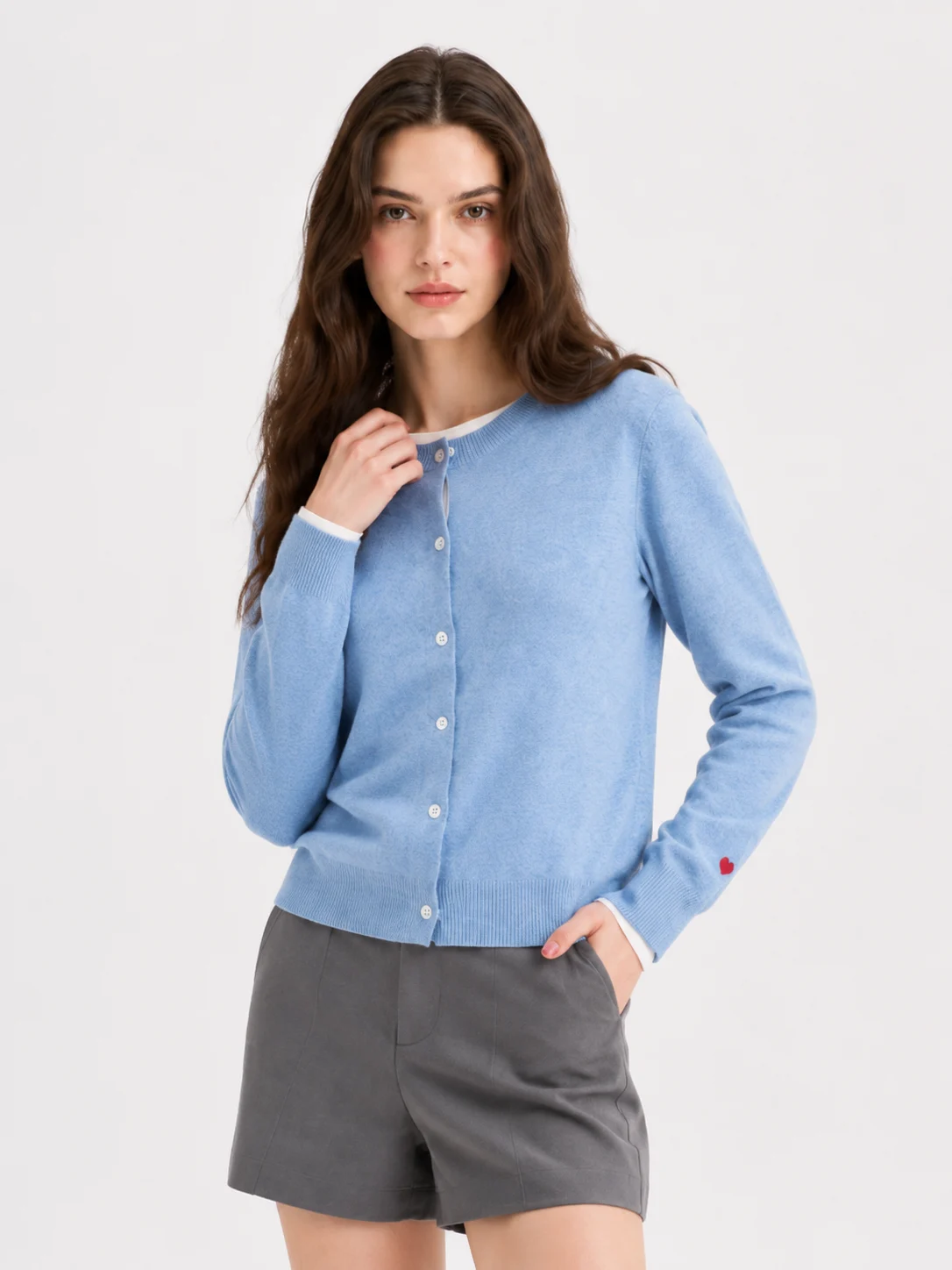
Cashmere Sampling Playbook for Boutique Labels: Fit, MOQ & Bulk Readiness
Yes, boutique brands can usually order one or more cashmere sweater samples before bulk production from an OEM supplier such as lpknit, then review the fit, gauge, hand feel, color, measurements, and finishing before approving a production order; expect a paid sample, approximately 2–4 weeks for development, and a separate bulk MOQ, with fiber labeling checked against Regulation (EU) No 1007/2011 and U.S. Federal Trade Commission requirements.
A sample gives a boutique fashion label a physical product to assess before committing cashmere yarn, production capacity, and inventory budget. It also exposes problems that a tech pack may not show clearly, such as a loose neckline, uneven tension, excessive pilling, or a color that looks different under retail lighting.
This process is especially useful for emerging labels in the United States, United Kingdom, and European Union. A small brand may need only one approved development sample for a collection test, while a more established private-label buyer may request a fit sample, revised sample, and pre-production sample.
Key points
- A boutique brand can request a single cashmere sweater sample before placing a bulk order.
- The sample is normally paid for because cashmere yarn, labor, programming, and finishing create real costs.
- A typical planning range is 2–4 weeks for the first sample, depending on design complexity and yarn availability.
- The sample should use the intended yarn, gauge, color, and construction whenever possible.
- Approval should cover measurements, workmanship, labeling, packaging, and the expected bulk production standard.
Can Boutique Brands Order Cashmere Sweater Samples?
Boutique brands can order cashmere sweater samples before bulk production by sending a design brief to a knitwear OEM supplier and agreeing on sample specifications, development fees, and revision terms. The buyer does not usually need to commit to the full production quantity before seeing the first sample.
An OEM supplier develops the garment according to the buyer’s specifications. Those specifications may include:
- Sweater or cardigan silhouette
- Yarn fiber and grade
- Gauge and stitch structure
- Color reference
- Size and measurement chart
- Rib, cuff, collar, and hem construction
- Buttons, labels, embroidery, or trims
- Target quantity and intended market
- Packaging and labeling requirements
For a boutique label, the most important distinction is between a development sample and a bulk production order. The development sample tests the design. The bulk order tests whether the approved design can be reproduced consistently across a larger quantity.
lpknit focuses on premium knitwear production in merino, cashmere, and mohair. Its premium knitwear product range gives buyers a starting point for reviewing available sweater and cardigan directions before discussing a custom design.
What does one sample prove?
One sample can confirm the basic construction and visual direction. It cannot prove that every bulk unit will be identical, especially when the design uses a hand-sensitive fiber such as cashmere.
A useful sample review checks:
- Measurements: Compare the garment with the approved size chart after the correct washing or finishing treatment.
- Hand feel: Check softness, density, warmth, and surface texture.
- Appearance: Review color, stitch definition, neckline shape, sleeve balance, and silhouette.
- Workmanship: Inspect seams, linking, ends, buttons, labels, and loose threads.
- Wear behavior: Test stretching, recovery, pilling, shedding, and comfort.
- Care response: Follow the proposed care instructions and observe shrinkage or distortion.
A sample is therefore a decision tool, not merely a promotional freebie.
How Much Does a Cashmere Sweater Sample Cost?
A cashmere sweater sample usually costs more than a standard wool or cotton sample because the supplier must buy or allocate premium yarn, program the knitting machine, link and finish the garment, and manage a small production run. The final price depends on the design, yarn, color, gauge, trims, and whether the buyer requests revisions.
A boutique buyer should ask the supplier to separate these charges:
| Cost item | What it may include | Buyer question |
|---|---|---|
| Sample development fee | Technical preparation, pattern or program setup, and labor | Is the fee charged per style or per revision? |
| Yarn and materials | Cashmere yarn, dyeing, buttons, labels, and trims | Is the exact bulk yarn used for the sample? |
| Finishing | Washing, pressing, blocking, linking, and inspection | What finishing method will bulk production use? |
| Shipping | Courier delivery of the sample | Is shipping quoted separately? |
| Revision fee | Changes after the first review | How many revisions are included? |
| Bulk credit | Possible deduction from the production invoice | Is the sample fee credited after order approval? |
There is no universal “free sample clothing manufacturer” standard for premium cashmere. Some factories may offer a low-cost basic sample, but “free” can mean that the fee is refundable only after a qualifying bulk order. A buyer should confirm the terms in writing rather than compare the word “free” alone.
For a small brand, a paid sample can reduce the cost of a larger mistake. For example, Sophie, a London-based founder, planned 80 cashmere cardigans at an estimated wholesale cost of $92 each. A $180 development sample revealed that the sleeve opening was too narrow. Correcting the pattern before bulk production prevented a potential $7,360 inventory problem.
The figures in this example are planning illustrations, not a quotation from lpknit. Buyers should request a current quote based on their own specifications.
How Long Does Cashmere Sweater Sampling Take?
Cashmere sweater sampling commonly takes about 2–4 weeks for a first development sample when the yarn, color, measurements, and design information are available. The timeline may extend when the factory must source a new yarn, develop a custom color, test complex stitches, or revise the pattern more than once.
A practical sampling timeline may look like this:
- Day 1–3: The manufacturer reviews the tech pack, measurements, reference images, and target quantity.
- Day 3–7: The supplier confirms yarn availability, gauge, construction, estimated pricing, and sample terms.
- Week 2: The factory knits, links, washes, blocks, and checks the first sample.
- Week 2–3: The buyer reviews measurements, hand feel, color, and workmanship.
- Week 3–4: The supplier makes revisions or prepares an approval sample.
- After approval: The buyer confirms the production order, final specifications, and delivery schedule.
These are planning ranges, not guaranteed delivery times. A one-color basic crewneck may move faster than a cashmere cardigan with multiple stitch structures, custom buttons, intarsia, or contrast trims.
A second example shows why revision time matters. Marcus, who runs a New York accessories and apparel label, ordered one cream cashmere crewneck sample and received a first version after 18 calendar days. The fit was acceptable, but the color was too yellow under daylight. A second yarn approval added 9 days, but the final color reduced the risk of launching a product that would not match the brand’s photography.
Will Bulk Cashmere Sweaters Match the Sample Exactly?
Bulk cashmere sweaters should match the approved sample within agreed technical tolerances, but no knitwear factory can responsibly promise that every garment will be visually identical to one handmade or individually finished sample. Cashmere is a natural fiber, and yarn lots, dye uptake, finishing, tension, and production conditions can create small differences.
The buyer should approve a sealed sample or a clearly identified pre-production sample. The sealed sample becomes the physical reference for bulk inspection.
Important controls include:
- Use the same yarn composition and supplier where possible.
- Confirm the yarn count and gauge.
- Record the approved color reference and dye-lot process.
- Approve measurements after washing and blocking.
- Define acceptable measurement tolerances.
- Confirm pilling, shrinkage, and colorfastness testing expectations.
- Inspect the first bulk units before full packing.
- Keep signed measurements, photos, and comments in the purchase record.
A sample made with substitute yarn can mislead the buyer. A substitute may differ in softness, thickness, stitch definition, recovery, and pilling behavior. Ask whether the sample uses the exact yarn planned for production or a development substitute.
For labels sold in the European Union, fiber information should be prepared against Regulation (EU) No 1007/2011, which governs textile fiber names and related labeling requirements. U.S. sellers should also review the Federal Trade Commission textile labeling rules, including fiber-content and manufacturer or dealer identification requirements.
What Should a Brand Send Before Requesting a Sample?
A brand should send a complete product brief before requesting a cashmere sweater sample because missing information creates avoidable assumptions about fit, yarn, construction, and price. A clear brief also helps a manufacturer decide whether the requested MOQ and sample method are practical.
At minimum, provide:
Product information
- Product name and internal style number
- Sweater or cardigan reference images
- Front, back, and detail sketches
- Intended season and customer
- Target retail price or wholesale price, if available
- Expected first order quantity
- Future repeat-order potential
Technical information
- Full measurement chart
- Size range
- Fit preference, such as relaxed, regular, or oversized
- Yarn fiber and desired cashmere grade
- Gauge or fabric weight
- Stitch structure
- Collar, cuff, hem, and sleeve details
- Button, zipper, label, and trim requirements
- Color references, preferably with a physical standard or recognized color system
- Washing, finishing, and care expectations
Commercial information
- Delivery market: United States, United Kingdom, or European Union
- Target delivery date
- Sample quantity
- Revision expectations
- Packaging requirements
- Required compliance documents
- Inspection expectations
- Shipping address and preferred courier
If the buyer has no finished tech pack, the manufacturer may still be able to start from a sketch or reference garment. However, the supplier should confirm which details remain provisional before quoting the sample.
A buyer exploring factory sample development for boutique knitwear should also ask for the next decision after each stage: approve, revise, or stop. That keeps a small collection from accumulating uncontrolled development costs.
How Do Cashmere Samples Affect MOQ and Bulk Pricing?
A cashmere sample does not automatically remove the manufacturer’s bulk MOQ, but it lets a boutique brand test the design before deciding whether the MOQ is commercially viable. Low-MOQ support is particularly useful when a label wants to test one color, launch a limited collection, or validate demand before scaling.
Sample pricing and bulk pricing are calculated differently. A sample may require machine setup and labor for one garment. Bulk production spreads setup costs across many units, but it introduces yarn purchasing, production planning, quality control, packing, and shipment requirements.
Ask the manufacturer these questions:
- What is the minimum quantity per style?
- Is MOQ calculated per style, color, or color-size combination?
- Can two colors share a style MOQ?
- Does a custom color require a higher minimum?
- Is a sample fee refundable after bulk approval?
- Can the supplier produce a small pilot run?
- What happens if the sample is approved but the bulk order is postponed?
- What are the payment stages?
A small buyer should compare the total launch cost, not only the unit price. A lower unit price with a high MOQ may create more inventory risk than a slightly higher unit price with a flexible small-batch arrangement.
For style references, lpknit’s fine-knit round-neck cardigan and illustrated knit button cardigan show how different construction and design details can affect a sampling conversation.
2026 Cashmere Sampling Figures Buyers Should Plan Around
The following figures are buyer planning benchmarks or documented compliance references. They are not universal promises or fixed quotations.
- 1 unit: A boutique brand can begin by requesting one development sample, subject to the manufacturer’s policy; this guide’s 2026 sourcing benchmark is based on the single-style sampling workflow described above.
- 2–4 weeks: A realistic planning window for a first straightforward cashmere sweater sample in 2026 when yarn and specifications are ready; complex designs may take longer.
- 1–3 rounds: Many boutique development projects should budget for one first sample plus one or two revision rounds in 2026; the agreed supplier quotation controls the actual number.
- 3 core fibers: lpknit’s published product positioning covers merino, cashmere, and mohair, giving boutique buyers 3 primary premium knitwear directions in 2026.
- 1007/2011: Regulation (EU) No 1007/2011 is the European Union’s textile fiber labeling regulation, according to the official EUR-Lex text, accessed for this 2026 guide.
- 16 CFR Part 303: U.S. textile fiber disclosure requirements are codified in 16 CFR Part 303, according to the U.S. Electronic Code of Federal Regulations, current in 2026.
For fiber-market context, buyers can consult Textile Exchange’s Materials Market Report published in 2025. The report is useful for understanding material supply and sustainability discussions, but it should not be treated as a quotation for a specific cashmere sample or production order.
What Is the Best Way to Request a Sample?
The best way to request a cashmere sweater sample is to send one concise technical brief, identify the intended production quantity, and ask the supplier to confirm the sample fee, timeline, yarn source, revision policy, and bulk MOQ before development begins.
Use this buyer checklist:
- [ ] Style sketch or reference garment attached
- [ ] Measurement chart attached
- [ ] Cashmere composition and yarn preference stated
- [ ] Gauge and stitch structure described
- [ ] Color standard supplied
- [ ] Labels and trims listed
- [ ] Sample quantity stated
- [ ] Target bulk quantity stated
- [ ] Delivery market identified
- [ ] Sample deadline identified
- [ ] Bulk MOQ requested
- [ ] Sample and revision fees confirmed
- [ ] Exact bulk yarn confirmed
- [ ] Compliance and labeling requirements discussed
- [ ] Approval process agreed
A short request can be direct:
“We are a boutique label preparing an 80-unit cashmere cardigan launch for the UK market. Please quote one development sample in the proposed bulk yarn, confirm the sample lead time, MOQ per color, revision fee, and whether the sample fee is credited against bulk production.”
This wording gives the manufacturer enough commercial context to provide a useful response. It also avoids the vague inquiry that often produces a generic catalog or an unrealistic “free sample” offer.
Which Clothing Samples Manufacturers Should Boutique Brands Compare?
Boutique brands should compare clothing samples manufacturers on technical communication, material transparency, sample control, MOQ flexibility, and bulk repeatability rather than judging a supplier only by sample price. A low-cost sample has limited value if the factory cannot reproduce the approved garment.
| Evaluation area | Strong supplier signal | Warning sign |
|---|---|---|
| Premium fiber knowledge | Explains yarn, gauge, finishing, and lot differences | Treats all cashmere as interchangeable |
| Sampling | Provides written stages and revision terms | Gives only a vague delivery promise |
| MOQ | States MOQ by style and color | Hides quantity rules until ordering |
| Quality control | Uses measurements and approved references | Relies only on visual inspection |
| Communication | Answers technical questions clearly | Sends generic catalog responses |
| Market support | Discusses U.S., UK, or EU labeling needs | Makes unsupported compliance claims |
| Small-brand fit | Can discuss test runs or low MOQ | Pushes a large order immediately |
Searching for “clothing sample makers near me” may help with local fittings, but a local sample room is not always the same as a factory capable of producing cashmere knitwear. Boutique brands should confirm whether the supplier owns or controls the relevant knitting, linking, washing, and finishing processes.
A private-label buyer may also compare an established premium knitwear OEM with a general clothing sample maker. The right choice depends on whether the product requires specialized knit construction, a particular fiber, repeatable bulk production, or only a one-off prototype.
Frequently Asked Questions About Cashmere Sweater Samples
Can a boutique brand order only one cashmere sweater sample?
Yes, many knitwear OEM suppliers accept a one-unit development sample, although the sample may cost more per garment than bulk production. The buyer should confirm whether the sample uses the intended bulk yarn and whether the fee is refundable after an approved production order.
Are cashmere sweater samples free?
Usually, premium cashmere samples are paid rather than free because they require yarn, machine setup, knitting, linking, finishing, and shipping. A supplier may credit the fee against a qualifying bulk order, but “free” terms should be confirmed in writing with the required MOQ and payment conditions.
How long does one cashmere sweater sample take?
A straightforward first sample often requires approximately 2–4 weeks when the yarn and technical details are ready. Custom colors, unusual gauges, complex stitches, imported trims, and revision rounds can extend the schedule, so the buyer should request a written milestone plan.
Should the sample use the exact cashmere yarn for bulk production?
Yes, the sample should use the intended bulk yarn whenever possible. A substitute yarn can change softness, thickness, color, stitch definition, shrinkage, and pilling, which makes it a weak reference for approving production quality.
Can a sample be ordered before the boutique brand confirms its MOQ?
Yes, sampling normally happens before bulk MOQ approval, but the manufacturer still needs an estimated order quantity to calculate pricing and assess production feasibility. A buyer should state whether the expected order is 30, 80, 200, or another quantity.
What if the bulk sweaters do not match the approved sample?
The buyer should use a sealed or approved pre-production sample, written measurements, and agreed tolerances as the production reference. If a bulk difference appears, the buyer can compare the shipment with those documented standards and follow the inspection, correction, or claim terms in the purchase agreement.
Do U.S. and European brands need different cashmere labels?
Yes, the applicable labeling requirements differ by market, even though both markets require accurate fiber information. European Union labels should be checked against Regulation (EU) No 1007/2011, while U.S. sellers should review Federal Trade Commission textile labeling requirements before finalizing labels.
Can lpknit develop cashmere cardigans as well as sweaters?
lpknit presents both sweaters and cardigans within its premium knitwear range and supports OEM discussions for boutique and private-label brands. A buyer should send the cardigan construction, yarn, measurements, trims, and expected quantity so lpknit can confirm the appropriate sample route.
How Can a Boutique Brand Start With lpknit?
A boutique brand can start with lpknit by preparing its design brief, selecting the intended fiber direction, and requesting a sample and bulk-production quotation together. This allows the buyer to compare the physical sample with the commercial terms before making a production decision.
The first conversation should cover:
- The design and reference images.
- The desired cashmere yarn and color.
- The sample quantity and target deadline.
- The expected bulk quantity and market.
- The MOQ per style and color.
- The sample, revision, and shipping costs.
- The quality-control and approval process.
- The labeling and packaging requirements.
Brands considering alternative fiber directions can review lpknit’s mohair long-sleeve knit sweater collection or discuss a custom merino, cashmere, or mohair development brief with the supplier.
For a boutique collection, sampling is most valuable when every decision is recorded. A measurement chart, yarn confirmation, approved color, sealed sample, and written tolerance give both the brand and manufacturer a clear production reference.
Conclusion: Sample First, Then Approve Bulk Cashmere Production
Boutique brands can order cashmere sweater samples before bulk production, and a paid factory sample is often the most practical way to control fit, fiber quality, color, finishing, and inventory risk. The strongest process is to request one sample in the intended bulk yarn, allow time for one or more revisions, and approve a documented pre-production standard before confirming MOQ.
As an apparel sourcing writer focused on knitwear development, I reviewed lpknit’s published merino, cashmere, and mohair product range, its cardigan and sweater examples, and the buyer workflow described in this guide. The compliance references are independently checkable through Regulation (EU) No 1007/2011 and the U.S. Federal Trade Commission’s 16 CFR Part 303, both reviewed for this 2026 article.
To discuss a low-MOQ cashmere sweater sample, send lpknit the design sketch, measurements, yarn preference, color reference, target quantity, and delivery market through its premium knitwear OEM product page. A precise brief gives the factory a better basis for confirming sample cost, development timing, MOQ, and bulk-production suitability.
{
“@context”: “https://schema.org”,
“@type”: “FAQPage”,
“mainEntity”: [
{
“@type”: “Question”,
“name”: “Can a boutique brand order only one cashmere sweater sample?”,
“acceptedAnswer”: {
“@type”: “Answer”,
“text”: “Yes, many knitwear OEM suppliers accept a one-unit development sample, although the sample may cost more per garment than bulk production. The buyer should confirm whether the sample uses the intended bulk yarn and whether the fee is refundable after an approved production order.”
}
},
{
“@type”: “Question”,
“name”: “Are cashmere sweater samples free?”,
“acceptedAnswer”: {
“@type”: “Answer”,
“text”: “Usually, premium cashmere samples are paid rather than free because they require yarn, machine setup, knitting, linking, finishing, and shipping. A supplier may credit the fee against a qualifying bulk order, but “free” terms should be confirmed in writing with the required MOQ and payment conditions.”
}
},
{
“@type”: “Question”,
“name”: “How long does one cashmere sweater sample take?”,
“acceptedAnswer”: {
“@type”: “Answer”,
“text”: “straightforward first sample often requires approximately 2–4 weeks when the yarn and technical details are ready. Custom colors, unusual gauges, complex stitches, imported trims, and revision rounds can extend the schedule, so the buyer should request a written milestone plan.”
}
},
{
“@type”: “Question”,
“name”: “Should the sample use the exact cashmere yarn for bulk production?”,
“acceptedAnswer”: {
“@type”: “Answer”,
“text”: “Yes, the sample should use the intended bulk yarn whenever possible. A substitute yarn can change softness, thickness, color, stitch definition, shrinkage, and pilling, which makes it a weak reference for approving production quality.”
}
},
{
“@type”: “Question”,
“name”: “Can a sample be ordered before the boutique brand confirms its MOQ?”,
“acceptedAnswer”: {
“@type”: “Answer”,
“text”: “Yes, sampling normally happens before bulk MOQ approval, but the manufacturer still needs an estimated order quantity to calculate pricing and assess production feasibility. A buyer should state whether the expected order is 30, 80, 200, or another quantity.”
}
},
{
“@type”: “Question”,
“name”: “What if the bulk sweaters do not match the approved sample?”,
“acceptedAnswer”: {
“@type”: “Answer”,
“text”: “The buyer should use a sealed or approved pre-production sample, written measurements, and agreed tolerances as the production reference. If a bulk difference appears, the buyer can compare the shipment with those documented standards and follow the inspection, correction, or claim terms in the purchase agreement.”
}
},
{
“@type”: “Question”,
“name”: “Do U.S. and European brands need different cashmere labels?”,
“acceptedAnswer”: {
“@type”: “Answer”,
“text”: “Yes, the applicable labeling requirements differ by market, even though both markets require accurate fiber information. European Union labels should be checked against Regulation (EU) No 1007/2011, while U.S. sellers should review Federal Trade Commission textile labeling requirements before finalizing labels.”
}
},
{
“@type”: “Question”,
“name”: “Can lpknit develop cashmere cardigans as well as sweaters?”,
“acceptedAnswer”: {
“@type”: “Answer”,
“text”: “lpknit presents both sweaters and cardigans within its premium knitwear range and supports OEM discussions for boutique and private-label brands. A buyer should send the cardigan construction, yarn, measurements, trims, and expected quantity so lpknit can confirm the appropriate sample route.”
}
}
]
}