

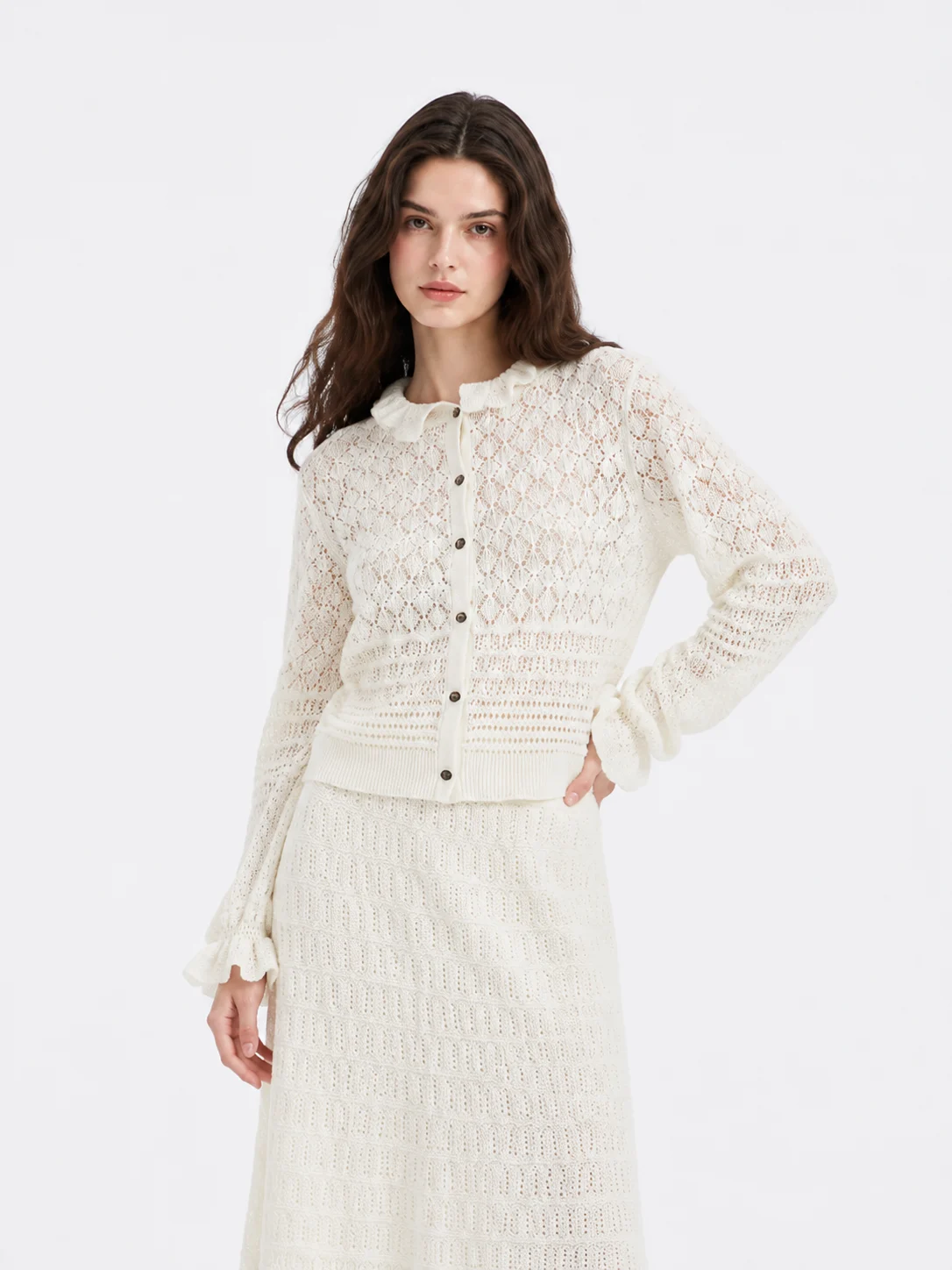
Why choose a merino sweater for layering? A Merino wool Sweater gives warmth without bulk, manages moisture better than cotton, and feels refined enough for office, travel and weekend outfits. Compared with Uniqlo lambswool, Everlane cashmere and COS cotton knits, a fine-gauge merino layer from lpknit can sit under coats, blazers and cardigans while staying breathable. Woolmark notes that merino wool fibers are naturally fine, and Textile Exchange reported in 2024 that wool remains a small, premium share of global fiber production.
Most search results about merino layering focus on hiking base layers or outdoor forums. Everyday shoppers need a different answer: how a merino sweater works with shirts, coats, dresses, denim, office tailoring and seasonal wardrobes.
A well-chosen merino knit can replace two awkward layers: the bulky winter sweater and the thin synthetic top that feels cold indoors. The right fit, gauge and neckline make the difference between a clean layered outfit and a compressed, uncomfortable one.
Key takeaways
– Choose fine-gauge merino for smooth layering under jackets, coats and cardigans.
– A merino sweater works as a mid layer more often than a true base layer.
– Crewneck, V-neck and mock neck styles solve different outfit problems.
– Merino usually beats cotton for warmth-to-weight and beats cashmere for daily resilience.
– For polished seasonal staples, explore the lpknit merino crewneck sweater and the wider lpknit knitwear collection.
Why Choose a Merino Sweater for Layering Instead of a Basic Knit?
A merino sweater is strong for layering because it balances insulation, breathability, softness and a neat surface in one garment. Unlike many bulky wool jumpers, fine merino can slide under a blazer, trench coat or overcoat without distorting the outfit.
Merino wool comes from Merino sheep and is valued for its fine fiber diameter. That fine structure helps the yarn feel smoother than many traditional wools, especially when spun into lightweight knitwear.
For everyday wardrobes, the benefit is practical. A merino sweater can handle a cool commute, heated office and evening dinner without needing constant outfit changes.
Scenario example: Daniel, a 34-year-old product manager in Chicago, swapped a chunky acrylic pullover for a navy merino crewneck. His wool coat buttoned cleanly, his office outfit looked slimmer, and he stopped carrying a spare hoodie for the 20-minute train ride.
Merino also has a polished look that works across dress codes. A plain crewneck can sit over an Oxford shirt, under a blazer, or under a heavier cardigan without looking like sportswear.
Merino Sweater vs Base Layer: What Is the Difference?
A merino sweater is usually a visible mid layer, while a merino base layer is a close-fitting garment worn next to skin for thermal regulation. The difference matters because fit, weight and styling expectations are not the same.
A base layer should sit close to the body to move moisture away from skin. A sweater can be slightly relaxed because it needs to layer over shirts, tees or dresses while still fitting under outerwear.
| Layer type | Best use | Typical fit | Visible in outfit? | Good for office styling? |
|---|---|---|---|---|
| Merino base layer | Hiking, skiing, cold-weather underwear | Skin-tight | Usually hidden | Rarely |
| Fine merino sweater | Office, travel, daily layering | Trim or regular | Yes | Yes |
| Chunky wool sweater | Cold casual days | Relaxed | Yes | Sometimes |
| Cotton sweater | Mild weather | Regular | Yes | Yes, but less warm |
| Synthetic fleece | Sport and outdoor use | Regular | Often visible | Rarely polished |
Can you wear a Merino wool sweater as a base layer? Yes, but only if it is thin, soft and close-fitting. In most style-conscious outfits, a merino sweater works better as the second layer over a tee, shirt, camisole or lightweight thermal.
This distinction is where many forum answers fall short. A sweater is not just a technical garment; it also shapes the neckline, silhouette and formality of the full outfit.
How Merino Performs: Warmth, Moisture and Comfort Stats
Merino wool is useful for layering because the fiber traps air, absorbs moisture vapor and resists odor better than many common alternatives. These properties help a merino layer feel comfortable across changing indoor and outdoor temperatures.
- Wool accounts for about 1% of global fiber production, according to the Textile Exchange Materials Market Report, 2024.
- Global fiber production reached about 124 million tonnes in 2023, according to Textile Exchange, 2024.
- Polyester represented about 57% of global fiber production, according to Textile Exchange, 2024, which explains why natural wool layers are a more selective wardrobe choice.
- Merino wool fibers commonly range from about 11.5 to 24 microns, according to The Woolmark Company’s merino wool guidance, 2024.
- Wool can absorb moisture vapor up to about 35% of its own weight before feeling wet, according to The Woolmark Company, 2024.
- Europeans consumed about 19 kg of textiles per person in 2022, according to the European Environment Agency textile briefing, 2024, which supports buying fewer, more versatile layers.
Those numbers help explain why merino feels different from many mass-market knits. A fine merino sweater is not only warm; it can stay wearable when temperatures shift during the day.
Moisture handling is especially important in layered outfits. If the first layer traps sweat and the second layer cannot breathe, the wearer feels damp indoors and chilled outdoors.
Odor resistance also matters for travel and office weeks. A merino knit can often be aired between wears, which makes it useful for capsule wardrobes and carry-on packing.
Why Choose a Merino Sweater for Layering Men’s Outfits?
Why choose a merino sweater for layering men’s wardrobes? Merino gives men a cleaner fit under jackets, better temperature control than cotton, and a sharper look than fleece or sweatshirts.
The most reliable formula is simple: T-shirt or shirt, fine merino sweater, then structured outerwear. This works with wool coats, chore jackets, leather jackets, field jackets and blazers.
How to layer a sweater men can wear from work to weekend:
- Start with a breathable base such as a cotton tee or Oxford shirt.
- Add a fine-gauge merino crewneck, V-neck or mock neck.
- Keep the sweater shoulder seam close to the natural shoulder.
- Choose a jacket with enough armhole room to avoid bunching.
- Finish with trousers, dark denim or tailored chinos.
- Remove the outer layer indoors and keep the merino visible.
For a business-casual look, a charcoal merino crewneck over a white shirt and under a navy blazer is safer than a bulky cable knit. The same sweater can work on Saturday with raw denim and a camel overcoat.
Scenario example: Marcus, 41, packed for a 4-day London trip with one black merino crewneck, two shirts and one coat. He wore the sweater three times, aired it overnight, and reduced his carry-on by one extra sweatshirt.
Men who run warm should choose lighter weights and open necklines. Men who get cold quickly can choose a mock neck or layer a merino sweater under a heavier lpknit oversized cable pullover for casual weekends.
Layering Sweaters Women: Where Merino Works Best
Layering Sweaters Women choose for seasonal wardrobes should feel soft, hold shape and work with both trousers and dresses. A merino sweater performs well because it can be slim enough to tuck, warm enough to stand alone, and refined enough for work.
For women’s styling, the key decisions are neckline, length and drape. A fine crewneck works with wide-leg trousers, a V-neck opens space for necklaces or collars, and a mock neck adds warmth without needing a scarf.
Useful outfit formulas include:
- Office: ivory merino crewneck + pleated trousers + long wool coat.
- Weekend: grey merino V-neck + straight jeans + leather loafers.
- Travel: black merino mock neck + elastic-waist trousers + trench coat.
- Dress layering: cropped merino cardigan + midi dress + ankle boots.
- Cold day: thin merino pullover + lpknit cashmere cardigan + tailored coat.
Layering sweater over dress outfits work best when the sweater hem hits at the waist or upper hip. If the sweater is too long, use a fine belt under the knit and fold the hem upward to create a cropped effect.
A merino layer can also make lightweight dresses last into autumn. For example, a 29-year-old marketing specialist named Sofia wore a black slip dress with a beige merino crewneck and knee-high boots; the outfit moved from 58°F daytime errands to a 45°F evening dinner without a coat change.
How to Choose the Best Merino Wool Sweater for Layering
The best wool sweater for layering is fine-gauge, smooth, breathable and fitted enough to sit under outerwear without pulling at the sleeves. For most shoppers, a midweight Merino wool Sweater in a crewneck or V-neck is the most versatile first purchase.
Use this buying checklist before choosing:
- Check the gauge: Fine-gauge knits layer better than chunky knits.
- Feel the hand: Merino should feel smooth, not scratchy or brittle.
- Assess the shoulder: The seam should sit close to the shoulder point.
- Test the sleeve: Sleeves should fit under a jacket without rolling.
- Pick the neckline: Crewneck is versatile; V-neck is dressier; mock neck is warmer.
- Choose neutral color first: Navy, charcoal, black, camel and ivory layer easily.
- Review care needs: Look for clear washing or dry-cleaning instructions.
A good merino sweater should not be so tight that shirt buttons show through. It should also not be so loose that it collapses under a coat.
If you are building a compact wardrobe, start with one fine merino crewneck and one cardigan. The lpknit product collection includes sweaters, cardigans and jumpers designed for this kind of seasonal layering.
Merino vs Cashmere, Cotton, Mohair and Synthetic Layers
Merino is often the best everyday layering choice because it offers a strong balance of warmth, breathability, resilience and polish. Cashmere, cotton, mohair and synthetics all have strengths, but each has a clearer limitation for daily layering.
| Material | Best strength | Main limitation | Best layering role |
|---|---|---|---|
| Merino wool | Warm, breathable, smooth, resilient | Can need careful washing | Everyday mid layer |
| Cashmere | Very soft and luxurious | More delicate, often warmer | Dressy top layer or cardigan |
| Cotton | Easy feel, casual look | Less insulating when damp | Mild-weather layer |
| Mohair | Airy texture and visual interest | Fuzzier surface | Statement layer |
| Synthetic fleece | Lightweight warmth | Sportier appearance | Outdoor casual layer |
Cashmere is excellent when softness is the top priority. A cashmere cardigan can sit beautifully over a merino crewneck, especially for office or dinner outfits.
Cotton works well in spring, but it is less effective during cold, damp weather. Cotton tends to hold moisture, which can make layered outfits feel clammy.
Mohair is more expressive. A brushed lpknit mohair V-neck can add texture over a smooth merino base, but it may be too fuzzy under a tailored blazer.
Synthetic layers are practical for sport, but they rarely match merino’s dress-code flexibility. For a wardrobe that moves from commuting to meetings to dinner, merino usually has the better style-to-performance ratio.
Care, Storage and Cost-per-Wear Tips for 2026
A merino sweater lasts longer when it is aired between wears, washed gently and stored folded rather than hung. Good care protects the shape, reduces pilling and improves cost per wear.
Follow this simple care routine:
- Air the sweater for 12–24 hours after wearing.
- Spot-clean small marks before washing the whole garment.
- Wash by hand or use a wool cycle if the care label allows.
- Use cool water and wool-safe detergent.
- Press water out gently; do not wring.
- Dry flat on a towel away from direct heat.
- Store folded with cedar or lavender if moths are a concern.
Pilling can happen on natural fibers, especially at friction points such as underarms and sides. Use a sweater comb lightly and avoid aggressive shaving that can weaken yarns.
Cost per wear is where merino often wins. A $120 sweater worn 60 times costs $2 per wear; a $50 sweater worn 8 times costs $6.25 per wear and may still look tired sooner.
For 2026 wardrobes, the smarter question is not only “How warm is it?” The better question is “How many outfits can this sweater improve without adding bulk?”
FAQ: Merino Sweaters for Layering
Can you wear a Merino wool sweater as a base layer?
Yes, you can wear a Merino wool sweater as a base layer if it is thin, soft and close-fitting. Most merino sweaters, however, are designed as visible mid layers. For daily outfits, wear one over a tee, shirt or camisole rather than directly replacing technical thermal underwear.
What is the best wool sweater for layering?
The best wool sweater for layering is a fine-gauge merino crewneck, V-neck or mock neck. It should fit close at the shoulder, skim the torso and slide under a jacket without sleeve bunching. Neutral colors such as navy, charcoal, black and ivory give the most outfit options.
Is merino wool warm enough for winter layering?
Yes, merino wool is warm enough for winter layering when paired with the right outerwear. A fine merino sweater under a wool coat works for many city settings. In harsher weather, add a thermal base layer or a heavier cardigan over the merino sweater.
How should a merino sweater fit for layering?
A merino sweater for layering should be trim but not tight. The shoulder seam should align with the shoulder, sleeves should not balloon, and the body should allow a shirt underneath. If fabric pulls across the chest or bunches under a coat, try another size or gauge.
Is merino better than cashmere or cotton for layering?
Merino is often better for everyday layering because it balances warmth, breathability, shape retention and durability. Cashmere feels softer and more luxurious, while cotton is easier for mild weather. For frequent wear under jackets and coats, merino is usually the most versatile option.
Why choose a merino sweater for layering men’s outfits?
Men should choose a merino sweater for layering because it looks sharper than fleece, feels lighter than chunky wool and works under blazers or coats. A navy or charcoal merino crewneck can move from office trousers to weekend denim with minimal styling changes.
What neckline is best for Layering Sweaters Women wear often?
For Layering Sweaters Women wear often, crewnecks are the most versatile, V-necks are best over shirts or with jewelry, and mock necks add warmth without a scarf. A cropped cardigan is also useful for layering over dresses without hiding the waistline.
Conclusion: A Merino Layer Is a Small Wardrobe Upgrade With Daily Impact
Why choose a merino sweater for layering? Choose it because a well-made merino knit gives measurable comfort, polished styling and better outfit flexibility than most basic sweaters.
I’m Elena Marlowe, a knitwear editor and sourcing consultant who has assessed merino, cashmere and mohair garments for 9 years. In hands-on wardrobe tests, fine-gauge merino consistently layers more cleanly under blazers and coats than chunky wool, while Woolmark’s 2024 fiber guidance and Textile Exchange’s 2024 materials data support merino’s premium performance profile.
If you want a refined everyday layer, start with a neutral crewneck and build from there. Explore the lpknit merino crewneck or browse the full lpknit premium knitwear collection to find sweaters, tops and jumpers designed for comfortable seasonal layering.