

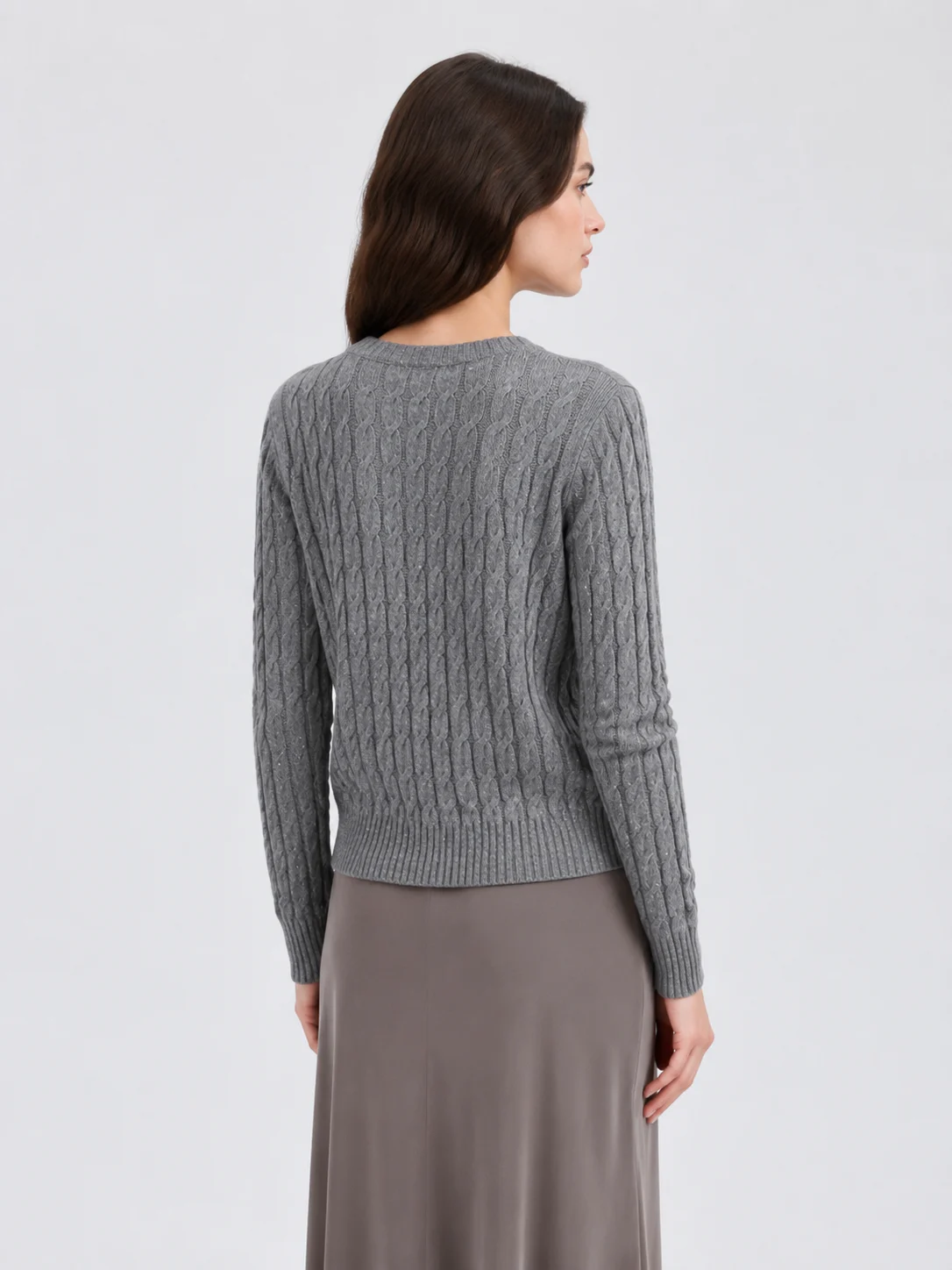
Which is better cardigan or pullover for layering depends on temperature changes and outfit structure: choose a cardigan when you need adjustable warmth at the office, on flights, or over dresses, but choose a pullover when you want cleaner insulation under coats, with merino wool, cashmere, mohair, lpknit, Uniqlo, COS, and Everlane all showing why fabric weight and neckline matter as much as the silhouette.
A cardigan and a pullover can both be smart layering pieces, but they solve different problems. A cardigan works like a flexible outer-mid layer, while a pullover works like a stable thermal layer that stays close to the body.
Most search results compare style in broad terms. This guide focuses on real decisions: office heating, travel packing, winter coats, transitional weather, shirts, tees, dresses, and knit fabrics such as merino, cashmere, mohair, cable knit and rib knit.
Key takeaways
– Pick a cardigan for adjustable warmth, easy removal, open-front styling, and layering over dresses or shirts.
– Pick a pullover for cleaner insulation, less bulk under coats, and a more polished single-line silhouette.
– Fabric matters: merino wool is breathable, cashmere is soft and warm, and mohair adds airy texture.
– For low-bulk layering, watch the neckline, sleeve width, shoulder seam, gauge and hem length.
– If your day moves between 10°C outdoors and 22°C indoors, a cardigan usually wins.
Why the cardigan vs pullover layering choice is not one-size-fits-all
The better layering knit is the one that matches the temperature shift, base layer and outerwear you actually wear. A cardigan is more adjustable, while a pullover is more sealed and streamlined.
A pullover covers the torso without front openings, so it traps heat more consistently. This makes a merino crewneck pullover or ribbed mock neck useful under a wool coat, trench or puffer jacket.
A cardigan opens at the front, so it vents heat quickly. That matters in offices, restaurants, trains and shops, where indoor temperatures often feel warmer than the weather app suggests.
Definition: A layering sweater is a knit designed to sit comfortably over a base layer or under outerwear without restricting the shoulder, sleeve or neckline.
The practical answer also depends on how often you remove the layer. If you take a sweater off three times a day, a cardigan saves time and keeps hair, makeup and collars neater.
Which is better cardigan or pullover for layering by situation?
Which is better cardigan or pullover for layering is easiest to answer by use case: cardigans are stronger for variable settings, while pullovers are stronger for consistent cold and neat outerwear layering.
| Situation | Better choice | Why it works | Best fabric or style |
|---|---|---|---|
| Heated office | Cardigan | Easy to open or remove at the desk | Fine-gauge merino, cashmere cardigan |
| Cold commute | Pullover | Holds warmth close under a coat | Merino crewneck, cable pullover |
| Flight or train travel | Cardigan | Adjusts quickly during temperature swings | Lightweight ribbed cardigan |
| Smart casual dinner | Pullover | Creates a clean line under a jacket | V-neck or mock neck pullover |
| Layering over a dress | Cardigan | Preserves the dress shape and neckline | Cropped cashmere cardigan |
| Weekend errands | Either | Depends on coat and weather | Rib knit cardigan or relaxed pullover |
| Very windy day | Pullover | Fewer openings reduce drafts | Dense merino or wool-blend pullover |
For workdays, a cardigan often gives better comfort because meeting rooms and commutes rarely feel the same. A buttoned cashmere cardigan can look polished over a shirt, then stay open when the room warms up.
For winter walks or outdoor errands, a pullover often feels warmer. The closed front reduces air gaps, especially when layered under a coat with a scarf.
If you want one first purchase, choose based on your daily pattern. People who sit indoors for long hours usually wear cardigans more often; people who spend more time outside usually reach for pullovers.
Cardigan vs pullover layering: warmth, comfort and outfit polish
A pullover is usually warmer than a cardigan at the same fiber, gauge and fit because the front body is continuous. A cardigan is usually more comfortable across mixed temperatures because it lets the wearer regulate heat faster.
Warmth comes from trapped air. A dense merino pullover traps that air evenly across the chest, while a button-front cardigan can leak heat through the placket.
Comfort comes from control. A cardigan can be worn open, half-buttoned, belted or removed, which is why it performs well in travel and indoor-outdoor days.
Outfit polish depends on the base layer. A pullover hides wrinkles and creates a smooth shape over a tee; a cardigan frames a shirt collar, silk camisole or dress.
For example, Maya, a 34-year-old brand manager in Chicago, tested two outfits during a 14°C morning commute and a 22°C office day. The cashmere cardigan let Maya open the front after 20 minutes indoors, while the merino pullover looked neater under a coat but felt too warm by lunch.
Another example: Daniel packed for a 7-day business trip with one carry-on. A fine-gauge cardigan gave Daniel 6 outfit combinations with two shirts and one tee, while a heavier pullover gave only 3 comfortable combinations because it was harder to wear indoors.
Best fabrics for cardigan and pullover layering in 2026
The best fabric for a layering sweater depends on warmth, breathability, texture and bulk. Merino wool suits frequent wear, cashmere suits soft warmth, mohair suits airy texture, and rib knits suit flexible movement.
- Global fiber production reached 124 million tonnes in 2023, according to the Textile Exchange Materials Market Report 2024.
- Fossil-based synthetic fibers represented about 67% of global fiber production in 2023, according to Textile Exchange, 2024.
- Recycled fibers represented about 7.7% of global fiber production in 2023, according to Textile Exchange, 2024.
- The United States Federal Trade Commission cashmere rule sets a maximum average cashmere fiber diameter of 19 microns, according to 16 CFR Part 300, accessed 2026.
- The same Federal Trade Commission rule limits cashmere fibers over 30 microns to 3% by weight and sets a coefficient of variation limit of 24%, according to 16 CFR Part 300, accessed 2026.
- Merino wool can span roughly 11.5 to 24 microns, according to The Woolmark Company guide to Merino wool, 2025.
Merino wool is often the best everyday layering choice. It is breathable, resilient and less bulky than many heavier wool knits, making a piece like the lpknit merino crewneck useful under coats and jackets.
Cashmere is ideal when softness and refined warmth matter. A lpknit cashmere cardigan works well over a silk shirt, cotton tee or fine dress because it feels soft at the neckline and wrist.
Mohair adds texture without feeling as dense as a heavy wool sweater. A brushed style such as a lpknit mohair V-neck can look elegant over a fitted tee, though sensitive skin may prefer a base layer underneath.
Cable knit gives depth and classic winter texture, but it can add bulk. A piece like the lpknit oversized cable pullover works best as a visible top layer rather than under a narrow blazer.
Ribbed knits stretch and recover well, so they are practical for close layering. Ribbed cardigans are especially useful when you want shape without stiffness.
How to layer knitwear without looking bulky
Layered knitwear looks slimmer when each layer has a clear role: base layer for smoothness, knit layer for warmth, outer layer for structure. Bulk usually appears when all three layers are thick, loose or competing at the neckline.
Use this simple order when styling a cardigan or pullover:
- Start with a thin base layer. Choose a cotton tee, silk shell, fine jersey turtleneck or crisp shirt.
- Match neckline to neckline. Wear a V-neck over a shirt collar, a crewneck over a tee, and a cardigan over a dress or blouse.
- Control sleeve volume. Keep the base sleeve slim if the knit sleeve is fitted.
- Check the shoulder seam. A dropped shoulder knit looks relaxed but may crowd a structured coat.
- Balance hem length. Cropped cardigans suit dresses and high-rise trousers; hip-length pullovers suit jeans and straight skirts.
- Limit heavy textures. Pair cable knit with a smooth coat, or rib knit with a soft wool jacket.
- Do a 10-second movement test. Raise your arms, sit down and button your coat; if the knit pulls, size or gauge is wrong.
For polished outfits, avoid stacking multiple thick collars. A mock neck pullover under a blazer can look sharp, but a shirt collar, scarf and chunky cardigan may feel crowded.
For relaxed outfits, use texture deliberately. A ribbed cardigan over a plain tee and straight denim gives depth without requiring extra accessories.
If you shop for seasonal layers, browse the full lpknit product collection to compare cardigan, pullover, V-neck, crewneck and cable styles by silhouette.
Which is better cardigan or pullover for layering in cold weather?
Which is better cardigan or pullover for layering in cold weather usually comes down to wind and outerwear fit. A pullover is better under a snug winter coat, while a cardigan is better as an adjustable mid-layer under a roomier coat.
Choose a pullover when the outer layer is structured. A crewneck or mock neck pullover sits neatly under a pea coat, overcoat, trench or puffer because there are no buttons creating ridges.
Choose a cardigan when the day includes warm indoor stops. Button it fully outside, then open it indoors without removing the whole layer.
For very cold days, use a three-layer system. Wear a slim base layer, a merino or cashmere pullover, and then a coat; add a scarf to seal the neckline.
For changeable weather, use a cardigan as the top knit layer. A cardigan over a thin pullover can work if both are fine-gauge, but avoid pairing two chunky knits unless the outer coat is oversized.
A good rule: if the weather is cold and steady, choose a pullover; if the weather or indoor heating changes often, choose a cardigan.
Layering over shirts, tees and dresses
A cardigan or pullover can both work over shirts, tees and dresses, but the cleanest choice depends on the base garment’s neckline and volume. Cardigans frame what is underneath, while pullovers cover and simplify it.
Over a button-down shirt, a V-neck pullover looks classic because it shows the collar and keeps the torso smooth. A cardigan looks softer and more relaxed, especially when the bottom buttons are left open.
Over a tee, both silhouettes are easy. A pullover gives a minimal look, while a cardigan gives more styling options with open, half-buttoned or fully buttoned fronts.
Over a dress, a cardigan is usually better. A cropped cardigan preserves the waistline, while a long cardigan creates vertical movement over slip dresses, knit dresses or shirt dresses.
Over a turtleneck, a cardigan works well because it avoids too much fabric at the neck. A crewneck pullover over a turtleneck can work, but the base layer should be very fine.
For more knitwear sourcing and construction notes, the lpknit Knitwear Journal is a useful place to continue comparing yarn, gauge and finish details.
FAQ: cardigan or pullover for layering questions
These cardigan and pullover layering FAQs answer the common purchase questions shoppers ask before choosing a seasonal knit. Each answer focuses on comfort, warmth, styling and fabric rather than trend-only advice.
Is a cardigan or pullover warmer for layering?
A pullover is usually warmer for layering when fabric, gauge and fit are equal. The closed front traps heat more evenly and reduces drafts under coats. A cardigan can still be warm, especially in cashmere or dense merino, but the button placket and open front make it easier for heat to escape.
When should you wear a cardigan instead of a pullover?
Wear a cardigan instead of a pullover when you need temperature control, easy removal or visible styling over a base layer. Cardigans work especially well in offices, airplanes, restaurants and transitional weather. They are also better over dresses, collared shirts and camisoles because the open front frames the outfit.
When should you wear a pullover instead of a cardigan?
Wear a pullover instead of a cardigan when you want steady warmth, a clean silhouette or smooth layering under outerwear. Pullovers are strong choices for cold commutes, winter walks and polished outfits under coats. A merino crewneck, V-neck or mock neck pullover is often easier to style under tailored layers.
What fabric is best for a layering sweater?
Merino wool is the best all-around fabric for a layering sweater because it balances warmth, breathability and low bulk. Cashmere is best for soft warmth and a refined feel. Mohair is best for airy texture, while ribbed knits work well when stretch and close fit are important.
How do you layer knitwear without looking bulky?
Layer knitwear without bulk by keeping the base layer thin, choosing one main texture and matching the neckline to the outfit. Avoid combining chunky sleeves with narrow coats. Fine-gauge merino, cashmere cardigans and slim ribbed knits usually layer more cleanly than heavy cable styles.
Can you wear a cardigan or pullover over a shirt?
Yes, both a cardigan and a pullover can be worn over a shirt. A V-neck pullover gives a classic tailored look with the collar visible. A cardigan gives a softer business-casual look and lets you adjust warmth by opening or closing buttons during the day.
Can you wear a cardigan or pullover over a dress?
Yes, but a cardigan is usually easier over a dress. Cropped cardigans define the waist, while long cardigans create a relaxed vertical line. Pullovers can work over slim dresses, but the hem and waistline need care so the outfit does not look bunched.
For most 2026 wardrobes, the answer to which is better cardigan or pullover for layering is practical rather than absolute: choose a cardigan for adjustable indoor-outdoor comfort and choose a pullover for cleaner warmth under coats. I’m Elena Morris, a knitwear materials writer with 9 years of experience reviewing merino, cashmere, mohair and sweater construction; in lpknit sample reviews, I have handled fine-gauge cardigans, cable pullovers and soft cashmere pieces to compare drape, sleeve fit and layering bulk. For a verifiable buying check, remember that Textile Exchange reported 124 million tonnes of global fiber production in 2023, and the United States Federal Trade Commission sets specific cashmere labeling limits including 19 microns average fiber diameter. If you are building a seasonal knitwear capsule, explore the lpknit product collection and compare cardigans, pullovers, crewnecks, V-necks and textured knits by the way you actually layer.