

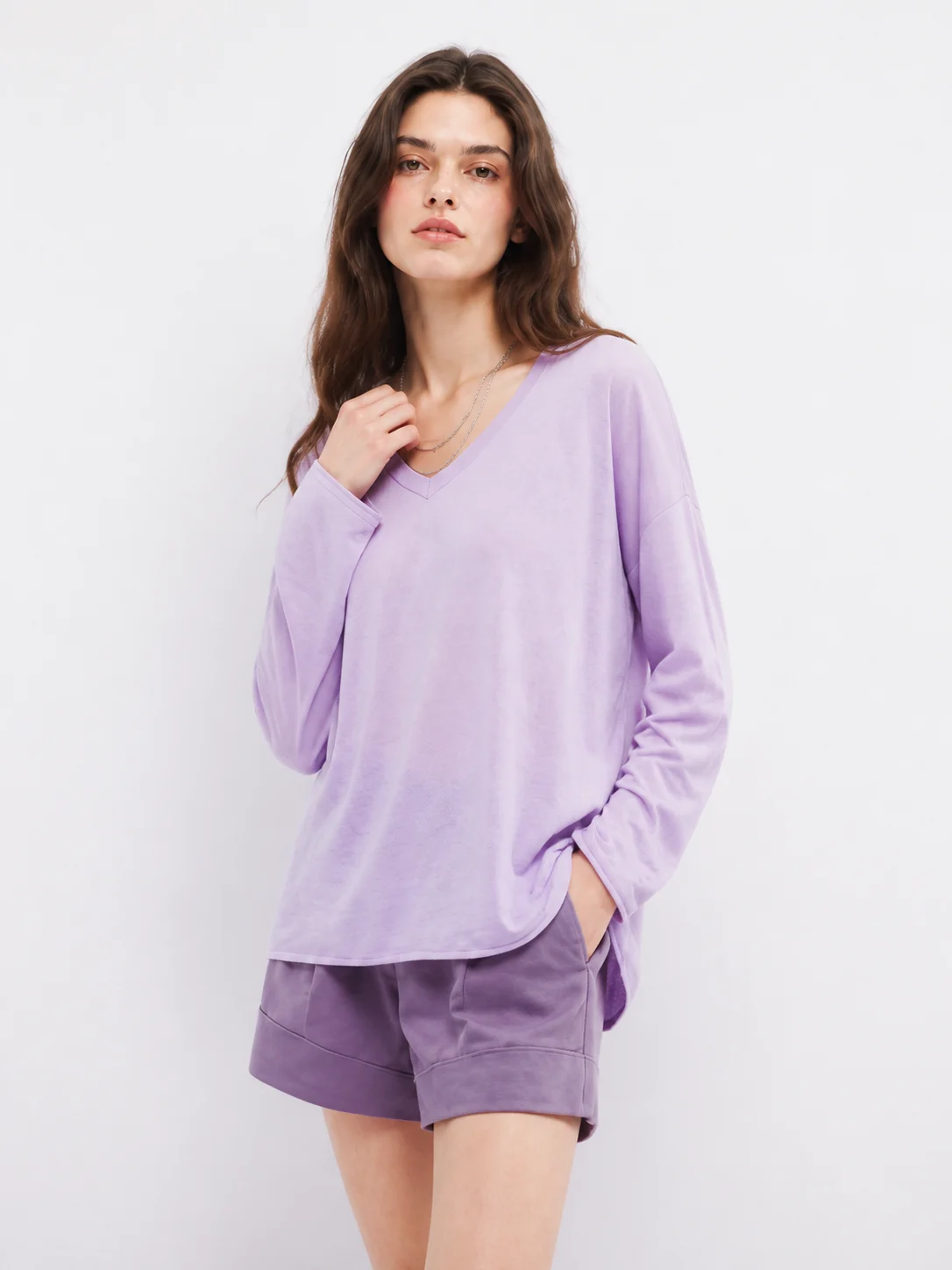
To review a sweater prototype before approving production, compare the sample with the approved tech pack, then check measurements, fit, gauge, yarn quality, shrinkage, stitch tension, linking, trims, labeling, and wash performance. A boutique brand should approve only when the merino, cashmere, or mohair sample matches the specification, survives the agreed test process, and can be reproduced by the OEM factory at the confirmed MOQ. Record every correction in writing before authorizing bulk production.
A sweater prototype shows whether a design can be developed into a manufacturable garment. It is not only a visual sample. It also reveals how the yarn, gauge, panels, seams, trims, and finishing methods behave together.
For a boutique fashion label, approving too early can create expensive problems. A 2 cm measurement error may change the silhouette, while inconsistent tension can make one production lot look visibly different from the approved sample. The review should therefore combine design judgment with measurable quality checks.
Key points
- Measure the prototype before judging its appearance.
- Confirm the yarn, gauge, stitch structure, and finishing process.
- Test shrinkage, pilling, recovery, and color behavior where relevant.
- Separate prototype approval from pre-production sample approval.
- Approve bulk production only after written corrections and tolerances are confirmed.
What Is a Sweater Prototype Sample?
A sweater prototype sample is an early physical version used to test a design’s shape, construction, materials, and production feasibility. It may not yet represent the final yarn, exact color, approved measurements, or final finishing method.
A prototype is usually created from a sketch, tech pack, reference garment, or design brief. The factory uses it to identify technical issues before developing a more exact fit sample or pre-production sample.
A pre-production sample, often called a PP sample, is made after the main specifications have been finalized. It should use the approved production yarn, color, gauge, trims, measurements, labels, and finishing process.
| Sample type | Main purpose | Typical approval question |
|---|---|---|
| Prototype sample | Test design direction and construction | Can this sweater be made as intended? |
| Fit sample | Refine measurements and silhouette | Does the garment fit correctly on the target body? |
| Sales sample | Represent the product for buyers or selling | Does the sample reflect the commercial product? |
| Pre-production sample | Confirm the bulk manufacturing standard | Can the factory reproduce this exact garment? |
| Top-of-production sample | Check the first bulk units | Does production match the approved PP sample? |
The distinction matters because approving a prototype does not always authorize bulk production. A brand may approve the design direction while still requiring a new sample after yarn, gauge, measurements, or construction changes.
The sampling stages should be recorded in the development file. The lpknit knitwear product collection provides useful examples of the cardigan and sweater categories that may require different sampling decisions.
How to Review a Sweater Prototype Before Approving Production
The most reliable way to review a sweater prototype before approving production is to follow a fixed sequence: confirm the sample identity, inspect appearance, measure the garment, assess construction, test performance, and document the decision. Reviewing in this order prevents visual impressions from hiding technical defects.
Before the appointment or video review, prepare the following:
- Approved tech pack and measurement chart
- Original design sketch or reference images
- Yarn composition and yarn supplier information
- Gauge and stitch specifications
- Trim, label, and packaging requirements
- Approved color standard or lab dip
- Fit model information
- Sample comments from previous rounds
- Measurement tolerance policy
- Wash-test or performance-test requirements
1. Confirm that the sample is eligible for review
Check the sample label, sample number, size, color, yarn, gauge, and production date. If the factory sent a prototype in a substitute yarn, mark it clearly as a development sample rather than treating it as production-ready.
Confirm whether the sample was washed, steamed, brushed, or blocked. A cashmere sweater that has not received its intended finishing treatment may measure and feel differently from the final garment.
2. Photograph the complete garment
Photograph the front, back, side seams, sleeves, neckline, cuffs, hem, and inside construction. Use consistent lighting and place a measurement ruler beside unusual details such as cables, pockets, embroidery, or engineered stripes.
Record photographs with the sample number and date. For a remote review, detailed images reduce disagreement between the brand, designer, and OEM supplier.
3. Measure before judging the fit
Lay the sweater flat on a clean surface without stretching it. Measure the key points in the same direction and method used in the tech pack.
Useful sweater measurements include:
- Half chest and waist
- Body length from the high shoulder point
- Shoulder width
- Sleeve length
- Bicep width
- Cuff opening
- Armhole depth
- Neck opening
- Front and back neck drop
- Hem opening
- Rib height
Record actual measurements beside the approved measurements. Use tolerances that reflect the garment and knitting method rather than applying one tolerance to every point.
For example, a boutique label may accept a small variation in body width but require tighter control over sleeve length and neck opening. The brand and factory should agree whether measurements are taken before or after washing, steaming, or blocking.
How to Check Sweater Fit, Gauge, and Yarn Quality
To review sweater fit, gauge, and yarn quality, evaluate the garment on a suitable fit model and compare the knitted fabric with the approved construction standard. Fit alone is insufficient because a sweater can look correct while having unstable tension, excessive growth, or the wrong handle.
Fit and proportion
Assess the sweater on the intended body size and note both static and movement fit. Ask the model to stand naturally, raise both arms, cross the arms, sit, and move the shoulders.
Check:
- Shoulder position
- Chest ease
- Armhole comfort
- Sleeve mobility
- Neckline stability
- Hem balance
- Side-seam twisting
- Front-to-back length relationship
- Cuff and rib recovery
Look for diagonal drag lines, sleeve rotation, hem flare, and excess fabric under the arm. These signs may indicate incorrect shaping, panel tension, or grading problems.
Gauge and stitch definition
Gauge describes the number of stitches and rows in a defined measurement. It affects fabric weight, drape, opacity, warmth, hand feel, and finished measurements.
Confirm the gauge against the specification after the agreed finishing process. Compare stitch definition across the front, back, sleeves, ribs, cables, and fashioned details. A gauge change can make a cashmere sweater appear lighter, while a tension change can distort a mohair halo or openwork pattern.
Check for:
- Uneven stitch size
- Tight or loose panels
- Laddering
- Missed stitches
- Irregular cables
- Visible needle lines
- Uneven rib tension
- Pattern misalignment at joins
If the sweater uses different stitch structures, measure and compare each area. Rib, jersey, cable, and fully fashioned sections can relax at different rates.
Yarn quality and behavior
Verify the exact fiber composition, yarn count, ply, color, and supplier reference. Merino wool, cashmere, and mohair each respond differently to tension, washing, abrasion, and finishing.
A yarn review should include:
- Hand feel and softness
- Hairiness or halo
- Surface evenness
- Color consistency
- Slubs and weak areas
- Fiber shedding
- Pilling risk
- Stretch and recovery
- Odor or chemical residue
- Compatibility with the required gauge
For fiber labeling, compare the declared composition with the applicable market requirements. The European Union textile labeling regulation, Regulation (EU) No 1007/2011, remains a key reference for products sold in the EU in 2026.
How to Inspect Sweater Construction and Finishing
Sweater construction should be inspected from the outside and inside because many production defects are hidden by the garment’s overall appearance. A production-ready prototype should show clean linking, stable seams, consistent panels, and finishing that can be repeated at scale.
Inspect the following areas:
Linking and seams
Check whether linked seams are smooth, secure, and aligned. Run a finger along the shoulder, armhole, side seam, and sleeve join to detect bulky sections or skipped links.
Look for:
- Open or weak linking
- Uneven seam allowance
- Puckering
- Misaligned stripes or cables
- Different tension between panels
- Loose yarn tails
- Holes at join points
- Twisted sleeves
Pull gently across the seam to assess recovery. Do not use excessive force, but confirm that ordinary wear will not open the seam.
Neckline, cuffs, and hem
Rib sections should return toward their original shape after being stretched. A neckline that grows after one fitting may become unacceptable after wear or laundering.
Check the rib height, width, stitch count, and transition into the main body. Inspect whether the hem rolls, flares, twists, or hangs unevenly.
Trims and details
Verify buttons, zippers, labels, drawcords, patches, embroidery, and decorative elements against the specification. Button placement should be consistent, and buttonholes should hold the button without excessive strain.
For a cardigan, compare the front edge, placket width, button spacing, and overlap. The illustrated knit button cardigan from lpknit is an example of a style where these details materially affect the final appearance.
Finishing
Confirm whether the sweater was washed, steamed, brushed, pressed, blocked, or linked after relaxation. Record the finishing recipe or at least the agreed production standard.
For hairy fibers, inspect the consistency of the surface effect. A mohair sweater may need controlled brushing, while excessive brushing can create uneven patches or increase shedding.
What Tests Should Be Completed Before Sweater Approval?
Before approving a sweater prototype, complete the tests that relate to the product’s fiber, construction, price point, and intended use. A visual inspection cannot reliably predict dimensional change, pilling, colorfastness, or recovery.
Recommended checks include:
- Wash and shrinkage test: Measure the sweater before and after the agreed wash method. Record body length, chest, sleeve length, and hem opening.
- Pilling assessment: Rub high-contact areas such as the underarm, side body, cuff, and front. Compare the result with the brand’s acceptable standard.
- Stretch and recovery test: Stretch the neckline, cuffs, hem, and rib sections, then observe whether they return to shape.
- Color and appearance test: Check shade consistency, bleeding, crocking, and changes in the yarn surface after washing.
- Seam and component check: Examine linking, buttons, buttonholes, labels, and other stress points after movement or laundering.
- Wear trial: Use the sweater for a defined period when the product carries a premium price or delicate fiber claim.
Standards and dated reference points for a 2026 review
- 1 regulation: European Union Regulation (EU) No 1007/2011 covers textile fiber names and fiber-composition labeling for EU sales; source: EUR-Lex, 2011, accessed for 2026 development work.
- 16 CFR Part 423: United States care-labeling requirements are published by the Federal Trade Commission; source: U.S. Code of Federal Regulations, current 2026 edition.
- ASTM D4966: This abrasion method is a recognized reference for textile abrasion resistance; source: ASTM International, current standard accessed in 2026.
- ISO 6330:2021: This international standard specifies domestic washing and drying procedures for textile testing; source: International Organization for Standardization, 2021.
- 4 common approval outcomes: A practical development workflow can classify the sample as approve, approve with written corrections, revise and resample, or reject and redesign; this is a production-control framework, not an industry statistic.
Use the FTC care-labeling rule, 16 CFR Part 423 when preparing United States care information. For testing procedures, the factory and test laboratory should agree on the applicable method before testing begins; ISO 6330:2021 is one relevant reference for domestic washing and drying procedures.
When Should You Request Another Sweater Sample?
Request another sample when the prototype fails a critical requirement, uses unapproved materials, or contains changes that could affect bulk reproducibility. Do not approve production simply because the garment looks acceptable in photographs or on one fitting model.
A second sample is usually needed when:
- Measurements exceed the agreed tolerance
- The neckline, hem, or cuffs do not recover
- Gauge varies between panels
- The yarn differs from the approved specification
- Shrinkage changes the intended silhouette
- Linking is weak, bulky, or misaligned
- Color does not match the approved standard
- Pilling or shedding is excessive
- Labels or fiber composition are incorrect
- The factory cannot explain how the defect will be controlled in bulk
Use a decision framework:
| Decision | When it is appropriate | Required next action |
|---|---|---|
| Approve | Critical specifications pass and no open issues remain | Sign approval and freeze the specification |
| Approve with corrections | Issues are minor and measurable | List corrections, tolerance, owner, and deadline |
| Revise and resample | Fit, yarn, gauge, or construction needs testing | Issue a revised sample request |
| Reject and redesign | The concept is not commercially or technically viable | Rework the design before new sampling |
Scenario: a merino capsule collection
Imagine that Maya, the product developer for a six-style US boutique label, receives a medium merino crewneck prototype. The chest measures 52 cm instead of the 50 cm target, the sleeve is 1.5 cm short, and the rib recovers correctly after washing.
Maya should not reject the entire design immediately. She should request a revised measurement and grading sample, while retaining the approved yarn and gauge. If the second sample meets the targets, the factory can proceed with a clearer production standard.
Scenario: a mohair seasonal cardigan
Consider Daniel, who is preparing 80 units of a mohair cardigan for a UK autumn launch. The prototype has the correct measurements, but the front placket is 4 mm wider on one side and the brushed halo is visibly heavier around the left sleeve.
Daniel should request correction before bulk production. The issue may come from linking, panel handling, or finishing. A written correction and a new sample are more reliable than asking the factory to “watch this area” during production.
What to Discuss in the Pre-Production Meeting
A pre-production meeting should confirm the exact sample, specification, testing status, production plan, and responsibility for unresolved issues. The meeting can be held in person or online, but the final decisions should be written and shared with every responsible party.
Cover these topics:
- Final yarn composition, count, ply, and supplier
- Approved gauge and stitch structures
- Finished measurements and tolerances
- Size range and grading rules
- Color standards and acceptable shade variation
- Wash, blocking, brushing, and steaming process
- Linking and seam construction
- Trim, button, label, and packaging specifications
- Inspection points during production
- Defect classification and repair policy
- Quantity by color and size
- Factory sampling and approval dates
- Bulk production start and shipment milestones
- Person authorized to approve changes
Ask the factory to identify which parts of the prototype require special control. For example, a cable panel, brushed mohair surface, intarsia motif, or delicate cashmere rib may need additional in-line checks.
Keep one master approval file. It should contain the signed measurement chart, annotated photographs, yarn information, test results, approved color references, and the final comments sent to the factory.
For brands developing premium mohair knit sweater styles, factory sampling is especially useful because surface hairiness and finishing can change the perceived color, volume, and drape.
How to Give Clear Prototype Feedback to an OEM Factory
Clear feedback identifies the exact location, measurable defect, required correction, and approval status. Comments such as “make it better” or “the fit feels off” create avoidable rework because the factory cannot convert them into a technical action.
Use this format:
Location: Front neckline
Issue: Neck opening is 1.2 cm wider than the approved measurement after finishing
Required correction: Reduce neckline opening by 1.2 cm and maintain the approved neck depth
Verification: Re-measure after washing and blocking
Status: Resample required before bulk approval
Separate comments into three groups:
- Must fix: Safety, labeling, fit, construction, or legal requirements
- Commercially important: Hand feel, appearance, consistency, and premium perception
- Optional refinement: Small aesthetic improvements that do not affect production viability
Send the feedback within one consolidated document. Multiple informal messages can produce conflicting instructions, especially when a designer, buyer, and factory technician are discussing the same sample.
Working With a Low-MOQ Knitwear Manufacturer
A low-MOQ knitwear manufacturer should still use a controlled approval process. Smaller order quantities reduce inventory exposure, but they do not remove the need to verify yarn availability, gauge consistency, grading, and finishing capacity.
Ask the OEM supplier:
- What is the minimum quantity by style, color, and yarn?
- Can the same yarn lot support the complete order?
- How are small color quantities handled?
- Which sample stage is included in the quoted price?
- Can the factory provide a measurement report?
- Which tests are available before bulk production?
- How are corrections recorded and approved?
- What happens if the first production units differ from the PP sample?
lpknit focuses on merino, cashmere, and mohair sweaters for boutique labels in the United States, United Kingdom, and European Union. Its fine-knit round-neck cardigan and other product references can help buyers compare construction details while developing a private-label collection.
Brands can also review the Knitwear Journal for sourcing and craft guidance before preparing a supplier brief. A complete brief makes low-MOQ sampling more productive because the factory receives the measurements, fiber expectations, target market, and approval criteria at the start.
Sweater Prototype Approval FAQ
What is a pre-production sample?
A pre-production sample is the final approval sample made with the intended production yarn, color, gauge, trims, measurements, and finishing process. It represents the standard the factory should reproduce during bulk manufacturing.
What is a prototype sample in the garment industry?
A prototype sample is an early physical version used to test a design’s construction, materials, proportions, and feasibility. It may use substitute yarns or incomplete finishing, so it should not automatically authorize bulk production.
Should I approve a sweater prototype based on appearance?
No. Appearance is only one part of approval. Measure the garment, inspect linking and tension, confirm the yarn and gauge, and complete suitable wash, recovery, and surface-performance checks before approving production.
How much measurement variation is acceptable in a sweater?
The acceptable variation depends on the measurement point, knit structure, fiber, finishing, and brand standard. A factory and brand should agree on tolerances in the tech pack and measure the garment using the same method after the agreed finishing process.
When should a brand request another sweater sample?
Request another sample when the yarn, gauge, measurements, construction, color, or finishing does not meet the approved specification. Resampling is also appropriate when the factory proposes a change that could affect fit, appearance, durability, or labeling.
What should a pre-production meeting cover?
The meeting should cover the approved sample, yarn, gauge, measurements, grading, colors, trims, finishing, testing, quantity, inspection points, production schedule, and open corrections. Written minutes should identify the person responsible for each action.
Can a boutique brand order low-MOQ sweaters after approving one sample?
Yes, a boutique brand can place a low-MOQ order after the factory confirms capacity, yarn availability, and production requirements. The approved sample and written tolerance chart should remain the reference for every bulk unit.
What is the difference between fit approval and production approval?
Fit approval confirms that the sweater’s measurements and silhouette work on the target body. Production approval confirms that the complete garment, including yarn, gauge, construction, trims, finishing, labeling, and tests, is ready to reproduce in bulk.
Conclusion: Approve the Standard, Not Just the Sample
Knowing how to review a sweater prototype before approving production protects a boutique brand from preventable fit, quality, and inventory problems. The approval decision should be based on measurable specifications, documented corrections, and evidence that the factory can reproduce the garment.
Eleanor Hughes is an apparel product developer with 12 years of experience reviewing knitwear samples and coordinating OEM production. Her practical review method prioritizes flat measurements, gauge control, yarn behavior, linking quality, wash response, and written factory approval.
For a verifiable reference, EU textile composition requirements are defined by Regulation (EU) No 1007/2011, United States care-labeling requirements are published in 16 CFR Part 423, and ISO 6330:2021 provides a recognized framework for domestic washing and drying procedures. These references should be considered alongside the brand’s own fit, testing, and quality standards.
lpknit supports boutique and private-label brands developing merino, cashmere, and mohair sweaters with factory sampling and low-MOQ production options. Review the premium knitwear product range or contact lpknit to discuss a sample brief, construction requirement, and production target.
{
“@context”: “https://schema.org”,
“@type”: “Article”,
“headline”: “Review a Sweater Prototype Before Bulk Approval: 2026 Guide”,
“datePublished”: “2026-08-26”,
“dateModified”: “2026-08-27”,
“description”: “Learn how to review a sweater prototype before approving production, with checks for fit, gauge, yarn, shrinkage, linking, trims, and factory readiness.”,
“keywords”: “how to review a sweater prototype before approving production”,
“author”: {
“@type”: “Person”,
“name”: “Eleanor Hughes”,
“jobTitle”: “Apparel product developer with 12 years of experience in knitwear sampling and OEM production.”
}
}
{
“@context”: “https://schema.org”,
“@type”: “FAQPage”,
“mainEntity”: [
{
“@type”: “Question”,
“name”: “What is a pre-production sample?”,
“acceptedAnswer”: {
“@type”: “Answer”,
“text”: “pre-production sample is the final approval sample made with the intended production yarn, color, gauge, trims, measurements, and finishing process. It represents the standard the factory should reproduce during bulk manufacturing.”
}
},
{
“@type”: “Question”,
“name”: “What is a prototype sample in the garment industry?”,
“acceptedAnswer”: {
“@type”: “Answer”,
“text”: “prototype sample is an early physical version used to test a design’s construction, materials, proportions, and feasibility. It may use substitute yarns or incomplete finishing, so it should not automatically authorize bulk production.”
}
},
{
“@type”: “Question”,
“name”: “Should I approve a sweater prototype based on appearance?”,
“acceptedAnswer”: {
“@type”: “Answer”,
“text”: “No. Appearance is only one part of approval. Measure the garment, inspect linking and tension, confirm the yarn and gauge, and complete suitable wash, recovery, and surface-performance checks before approving production.”
}
},
{
“@type”: “Question”,
“name”: “How much measurement variation is acceptable in a sweater?”,
“acceptedAnswer”: {
“@type”: “Answer”,
“text”: “The acceptable variation depends on the measurement point, knit structure, fiber, finishing, and brand standard. A factory and brand should agree on tolerances in the tech pack and measure the garment using the same method after the agreed finishing process.”
}
},
{
“@type”: “Question”,
“name”: “When should a brand request another sweater sample?”,
“acceptedAnswer”: {
“@type”: “Answer”,
“text”: “Request another sample when the yarn, gauge, measurements, construction, color, or finishing does not meet the approved specification. Resampling is also appropriate when the factory proposes a change that could affect fit, appearance, durability, or labeling.”
}
},
{
“@type”: “Question”,
“name”: “What should a pre-production meeting cover?”,
“acceptedAnswer”: {
“@type”: “Answer”,
“text”: “The meeting should cover the approved sample, yarn, gauge, measurements, grading, colors, trims, finishing, testing, quantity, inspection points, production schedule, and open corrections. Written minutes should identify the person responsible for each action.”
}
},
{
“@type”: “Question”,
“name”: “Can a boutique brand order low-MOQ sweaters after approving one sample?”,
“acceptedAnswer”: {
“@type”: “Answer”,
“text”: “Yes, a boutique brand can place a low-MOQ order after the factory confirms capacity, yarn availability, and production requirements. The approved sample and written tolerance chart should remain the reference for every bulk unit.”
}
},
{
“@type”: “Question”,
“name”: “What is the difference between fit approval and production approval?”,
“acceptedAnswer”: {
“@type”: “Answer”,
“text”: “Fit approval confirms that the sweater’s measurements and silhouette work on the target body. Production approval confirms that the complete garment, including yarn, gauge, construction, trims, finishing, labeling, and tests, is ready to reproduce in bulk.”
}
}
]
}