

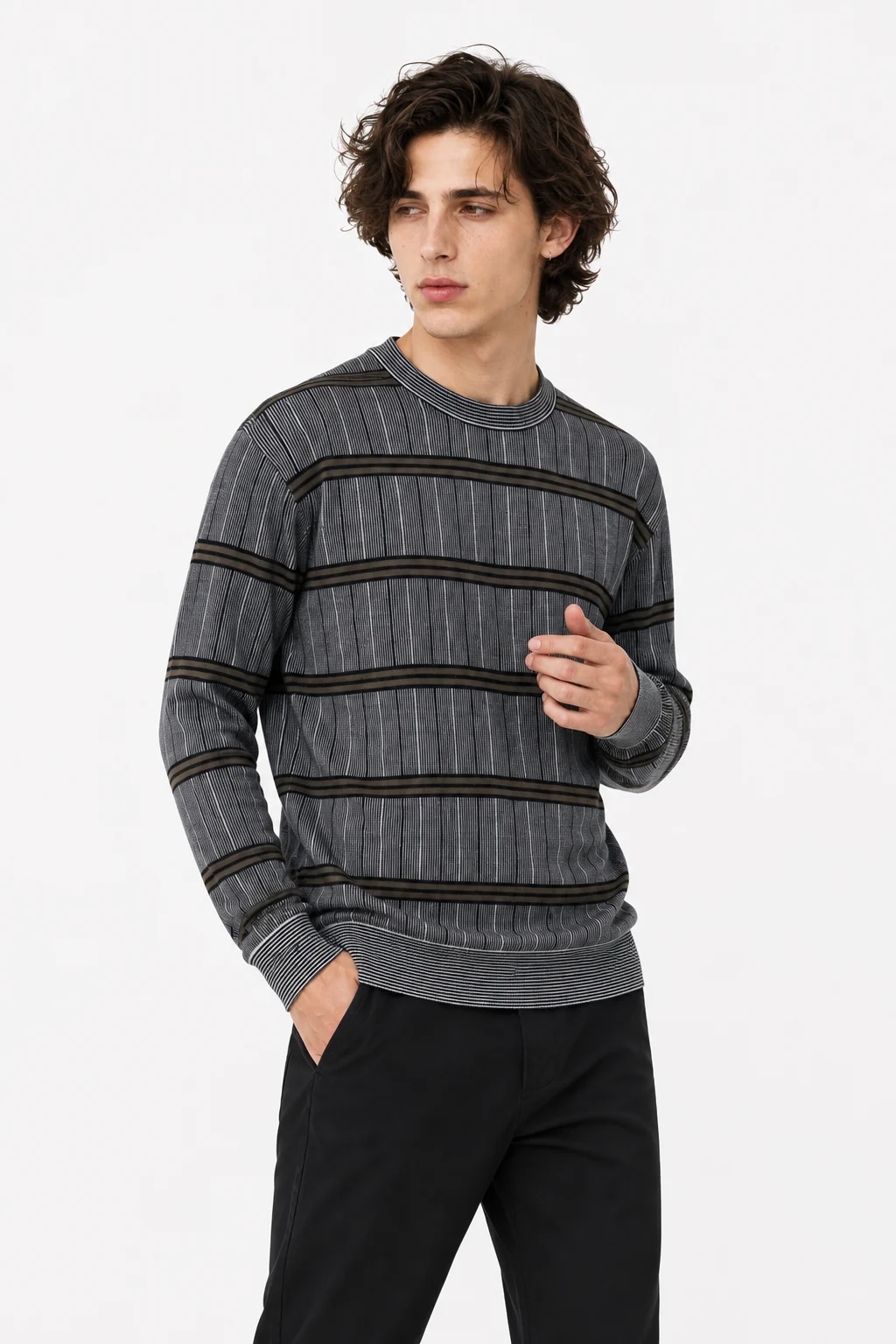
A premium knitwear factory for UK boutique brands should combine specialist merino wool, cashmere, and mohair production with low MOQ sampling, OEM private-label support, and clear UK/EU compliance knowledge, which is why brands comparing Knitwear manufacturers UK, lpknit, Textile Exchange standards, and European Union Regulation 2023/988 should judge factories by yarn expertise, sample accuracy, labelling support, communication speed, and repeatable bulk quality rather than location alone.
UK boutique labels often search for local makers first because “Made in UK” has strong retail value. Yet the best sourcing choice depends on product type, target margin, order size, yarn quality, and how much development help the brand needs before placing a commercial order.
This guide is written for founders, buyers, and product developers sourcing women’s and unisex sweaters, cardigans, and seasonal knitwear. It explains how to compare a UK-based workshop with an overseas OEM supplier such as lpknit’s premium knitwear product range, without reducing the decision to a simple factory list.
Key takeaways
– Choose a factory by yarn specialism, sample accuracy, MOQ fit, and communication, not only by country.
– Merino wool, cashmere, and mohair need different gauge, finishing, and testing decisions.
– Low MOQ can help UK boutique brands test demand, but the unit cost will usually be higher.
– Factory sampling is the main risk-control step before bulk sweater production.
– A premium knitwear factory for UK boutique brands should understand UK and EU labelling, safety, and care-symbol expectations.
What UK Boutique Brands Should Look For in a Premium Knitwear Factory
A premium knitwear factory for UK boutique brands should prove that it can turn a design concept into a repeatable sweater, cardigan, or knit set at the right quality level, not just show attractive catalogue photos. The strongest partners combine yarn sourcing, technical sampling, pattern adjustment, private-label finishing, production planning, and quality control.
Start with product fit. A factory that mainly produces cotton basics may not be the right partner for brushed mohair, 100% cashmere, or fine merino wool. Ask for recent examples in the same fibre, gauge, silhouette, and price tier that your brand plans to sell.
A serious OEM supplier should also explain what is fixed and what can be customised. For example, lpknit’s illustrated knit button cardigan shows how artwork, buttoning, fit, and knit structure can affect the final development route.
Use this short checklist before requesting samples:
- Yarn expertise: merino wool, cashmere, mohair, blends, ply, count, and certification options.
- Sample process: first sample, fit adjustment, colour lab dip, pre-production sample, and approval rules.
- MOQ structure: minimums by colour, style, yarn, and size range.
- Private label support: neck labels, swing tags, care labels, packaging, and barcode handling.
- Quality controls: measurements, pilling checks, seam strength, hand feel, shrinkage, and shade consistency.
- Commercial clarity: payment terms, sample cost, bulk lead time, defect tolerance, and reorder process.
A concrete example: Sophie, founder of a London womenswear label, tested 80 pieces of a brushed mohair cardigan in two colours before ordering 420 units. The smaller first run cost 18% more per unit than the second order, but it helped her avoid overbuying a seasonal colour that later sold through at only 54%.
UK-Based Manufacturer or Overseas OEM Supplier: Which Is Better?
UK boutique brands should compare UK-based manufacturers and overseas OEM suppliers by speed, flexibility, yarn access, quality systems, and landed cost. A UK factory can be strong for heritage positioning and local storytelling, while an overseas specialist OEM factory can be stronger for low MOQ knitwear development, broader yarn sourcing, and price flexibility.
The current SERP for “Knitwear manufacturers UK” is heavy on lists of British brands and local makers. That is useful for discovery, but it rarely answers the buyer’s real question: which production route best supports a boutique collection that needs premium fibres, sampling, and repeatable sizing?
| Sourcing route | Best for | Watch-outs | Questions to ask |
|---|---|---|---|
| UK-based knitwear manufacturer | Made-in-UK positioning, short domestic visits, heritage storytelling | Higher labour cost, limited capacity, higher MOQ for some yarns | Can the factory support your target fibre and gauge at your price point? |
| Overseas OEM supplier | Low MOQ testing, yarn variety, private-label development, scalable reorders | Shipping time, communication discipline, import planning | Can the supplier provide samples, care labels, carton details, and inspection records? |
| Trading company | Fast quote gathering and mixed product sourcing | Less factory visibility, weaker technical control | Which factory makes the goods, and who owns quality responsibility? |
| Marketplace supplier | Very small trial buys or off-the-shelf styles | Limited exclusivity, inconsistent specs | Can the design, yarn, and label be customised for a commercial range? |
For a premium boutique brand, “overseas” does not automatically mean low quality. It only adds coordination needs. A supplier serving the US, UK, and EU should be able to discuss fibre content, care labelling, shrinkage risk, and sample comments in precise production terms.
A second example: Daniel, a Manchester private-label buyer, compared a UK workshop quote with an OEM quote for 300 merino crewnecks. The UK option had a 6-week local lead time but a 40% higher unit cost; the OEM option took 10 weeks landed but allowed three yarn colours and custom labels within the same test budget.
Choosing a Premium Knitwear Factory for UK Boutique Brands by Yarn
Choosing a premium knitwear factory for UK boutique brands depends heavily on yarn selection because merino wool, cashmere, and mohair behave differently during knitting, washing, finishing, and wear. A factory that understands the fibre will flag design risks before the first sample, which protects both margin and brand reputation.
Merino wool is often the most versatile premium option. It suits crewnecks, cardigans, polos, vests, and base-layer inspired knitwear because it can feel soft while holding shape well. For commercial collections, merino also gives a clear value story without the highest raw-material cost.
Cashmere is best when softness, warmth, and luxury positioning matter most. It needs careful gauge choice, finishing, and pilling control. A cheap cashmere sweater can damage a brand faster than a well-made wool blend because customers expect exceptional hand feel and durability.
Mohair works well for fluffy cardigans, statement pullovers, open stitches, and seasonal fashion colours. It needs special attention to hairiness, shedding, skin comfort, and brushing consistency. The lpknit mohair long-sleeve sweater example is a useful reference for buyers planning a soft, textured women’s style.
| Fibre | Best use | Buyer risk | Factory capability to confirm |
|---|---|---|---|
| Merino wool | Everyday premium sweaters and cardigans | Shrinkage, pilling, weak recovery | Washing test, gauge recommendation, stable measurement specs |
| Cashmere | Luxury basics, gifting, high-margin capsules | Pilling, thin hand feel, high sample cost | Yarn grade clarity, finishing control, consistent bulk hand feel |
| Mohair | Seasonal texture, colour-led fashion, statement cardigans | Shedding, itch, uneven brushing | Brushing standard, blend advice, comfort testing |
| Wool blends | Price-balanced commercial ranges | Weak premium perception if overused | Fibre content honesty, label accuracy, performance testing |
Ask the factory to explain why a yarn suits the garment, not just quote the yarn composition. A good answer will mention gauge, ply, target weight, neckline stability, seam type, and finishing method.
MOQ, Sampling, and Wholesale Planning for Boutique Knitwear
Low MOQ knitwear production helps boutique brands launch commercial tests without committing to deep inventory, but MOQ must be judged by style, colour, yarn, and machine setup. A realistic premium sweater order may be low by factory standards yet still large enough to prove whether the design can sell at wholesale and direct-to-consumer prices.
For a new UK boutique label, common planning ranges are 50-100 units for a narrow test, 150-300 units for a stronger colour-size run, and 500+ units for a proven reorder. These are planning ranges, not industry averages, because true MOQ depends on yarn availability, colour dyeing, knitting time, and finishing workload.
Factory sampling should follow a clear sequence:
- Share a tech pack, target retail price, reference photos, fibre preference, size range, and expected order volume.
- Confirm yarn options, gauge, stitch structure, trims, and estimated MOQ before sample knitting.
- Approve sample cost, sample lead time, and what is included in one development round.
- Review the first sample for fit, hand feel, weight, colour, seams, labels, and finishing.
- Send written comments with measurement changes and photos marked at the problem points.
- Approve a revised sample or pre-production sample before the factory buys bulk yarn.
- Confirm bulk specs, packaging, inspection method, shipping terms, and delivery schedule.
Wholesale planning needs extra discipline. A boutique selling to independent UK stores may need tighter delivery windows because retailers buy Autumn/Winter knitwear months before cold weather peaks. A low-MOQ supplier can help test colours, but late approvals can still compress production time.
If your range includes cardigans, compare button quality and placket stability early. A soft garment like lpknit’s fine knit round-neck cardigan may look simple, but neckline, button spacing, and recovery after steaming all affect the final retail impression.
Compliance, Labelling, and Current Data UK Buyers Should Know
UK boutique brands sourcing premium knitwear in 2026 should treat compliance as part of product development, not a final paperwork task. Fibre names, care symbols, safety obligations, and responsible-sourcing claims need to match the garment, the label, and the sales market.
- 13 December 2024 was the application date for the European Union General Product Safety Regulation, according to the European Commission overview of Regulation (EU) 2023/988, so UK brands selling into the EU should confirm traceability and safety-document responsibilities.
- Regulation (EU) No 1007/2011 remains the main EU textile fibre-name and labelling framework, according to the European Union textile labelling regulation text, so fibre composition on sweaters must be accurate and consistent with product claims.
- ISO 3758:2023 is the current international care-labelling symbol standard, according to the International Organization for Standardization page for ISO 3758:2023, so care-label artwork should use recognised textile care symbols.
- 2025 fashion executives expected subdued market growth, according to The State of Fashion 2025 by McKinsey & Company and The Business of Fashion, which makes controlled MOQ and test ordering more relevant for boutique brands.
- 2025 material sourcing discussions continued to focus on animal-fibre traceability, according to the Textile Exchange standards information, so brands using cashmere, wool, or mohair should ask suppliers which certification routes are available.
For UK-only sales, brands still need accurate fibre content and product safety diligence. For EU sales, buyers should also ask who is responsible for importer details, product traceability, and documentation under the relevant market rules.
Avoid vague claims such as “sustainable cashmere” or “ethical mohair” unless the factory can support them with named standards, documents, or a restricted claim. A premium knitwear factory for UK boutique brands should help tighten claims before photography, packaging, and wholesale line sheets are produced.
How to Vet Knitwear Manufacturers UK and Overseas Suppliers
A good vetting process for Knitwear manufacturers UK and overseas suppliers should test communication, technical accuracy, sample quality, and commercial fit before the brand commits to bulk yarn. The aim is to reduce uncertainty early, while changes are still cheap.
Use a scoring sheet instead of judging by mood after a video call. Give each factory a score from 1 to 5 for yarn expertise, sample quality, response time, MOQ fit, labelling support, price clarity, and willingness to explain trade-offs.
Ask these questions before paying for a sample:
- Which merino, cashmere, or mohair yarn counts do you recommend for this style?
- What MOQ applies per colour, per size, and per yarn?
- How many sample rounds are included before bulk approval?
- Can the factory make private-label neck labels, care labels, and swing tags?
- Which measurements are checked before shipment?
- What happens if bulk hand feel, colour, or sizing differs from the approved sample?
- Can the factory provide photos, inspection notes, and carton details before shipping?
- Which UK, EU, or US buyers has the supplier served in similar product categories?
Do not skip the reference sample. A tech pack is important, but a physical reference helps the factory understand hand feel, weight, stretch, drape, and finishing. For premium knitwear, those details are often the difference between a garment that photographs well and one that customers keep.
When lpknit Fits a UK Boutique Brand’s Sourcing Brief
lpknit fits UK boutique brands that need a premium knitwear OEM supplier for merino, cashmere, and mohair sweaters with low MOQ development and factory sampling. The best fit is a brand that wants specialist knitwear support, not just a generic cut-and-sew vendor.
The supplier is relevant for women’s premium knitwear factory for UK boutique brands searches because the range includes cardigans, pullovers, seasonal textures, and classic silhouettes. It also suits buyers searching for premium knitwear factory for UK boutique brands wholesale options where sampling, private-label finishing, and repeatable production matter.
lpknit is not the right answer for every brand. If your core value is legally “Made in UK,” a domestic manufacturer is the better match. If your priority is a premium OEM partner serving the UK, EU, and US with flexible minimums, lpknit’s knitwear collection is worth shortlisting.
For a practical first enquiry, prepare these details:
- Product type: cardigan, crewneck, vest, polo, hoodie, or sweater dress.
- Fibre target: merino wool, cashmere, mohair, blend, or open to factory advice.
- Quantity target: sample only, 50-100 test units, 150-300 launch run, or reorder planning.
- Design assets: sketch, tech pack, reference garment, Pantone colour, trim idea, and label files.
- Sales market: UK only, UK and EU, US wholesale, or multi-market ecommerce.
- Timeline: sample deadline, buying appointment, photoshoot, and delivery window.
FAQ
What are some good quality knitwear brands in the UK?
Good quality UK knitwear brands include heritage names such as John Smedley, Paul James Knitwear, and other British wool or cashmere specialists. For a boutique buyer, these brands are useful benchmarks for fit, hand feel, retail pricing, and finishing, but they are not always the same as OEM factories that produce private-label collections.
What are some famous British sweater companies?
Famous British sweater companies include John Smedley, Pringle of Scotland, and Paul James Knitwear. These names help define UK knitwear expectations around fine gauge, wool heritage, and classic styling. Boutique brands still need to vet any production partner separately for MOQ, sampling, private-label services, and delivery reliability.
Where are John Smedley clothes made?
John Smedley clothes are made in Lea Mills, Derbyshire, England, according to the brand’s own public heritage information. This is a strong example of UK-made knitwear positioning. A boutique brand should decide whether that local provenance is central to its own story or whether specialist OEM production better fits its commercial model.
Is it better to use a UK knitwear manufacturer or an overseas OEM supplier?
It is better to use the supplier that matches the brand’s product, margin, and development needs. UK manufacturers can support local provenance and easier factory visits. Overseas OEM suppliers can offer broader yarn options, low MOQ sampling, and scalable private-label production when communication and quality controls are strong.
What is a realistic MOQ for boutique knitwear production?
A realistic MOQ for boutique knitwear production often starts around 50-100 units for a narrow test and 150-300 units for a fuller launch, depending on yarn, colour, and style. The exact MOQ must be confirmed by the factory because dyed yarn, trims, and machine setup can change the minimum.
Which yarn is best for premium sweaters: merino, cashmere, or mohair?
Merino wool is best for versatile premium everyday sweaters, cashmere is best for luxury softness, and mohair is best for textured seasonal fashion. The best choice depends on target retail price, customer skin sensitivity, garment weight, and how the sweater will be washed and worn.
How does factory sampling work before bulk knitwear production?
Factory sampling turns a design brief into a physical garment before bulk production starts. The process usually includes yarn selection, stitch and gauge choice, first sample knitting, fit review, written corrections, revised sample approval, and final pre-production confirmation before the factory buys or allocates bulk yarn.
Conclusion: Build the Factory Shortlist Around Product Risk
A premium knitwear factory for UK boutique brands should reduce product risk before it asks for a bulk commitment. That means clear advice on merino wool, cashmere, and mohair; a sample process that captures fit and hand feel; MOQ options that suit boutique buying; and labelling awareness for UK, EU, and US sales.
I am Clara Whitmore, a knitwear sourcing writer with 9 years of experience interviewing OEM suppliers, reviewing sweater samples, and helping boutique teams translate design briefs into production-ready questions. While reviewing lpknit’s public product range, including cardigans, mohair sweaters, and fine-gauge styles, the clearest fit is for brands that need premium knitwear development with flexible minimums and factory sampling rather than a generic apparel supplier.
For a first sourcing step, shortlist two UK manufacturers and one specialist OEM supplier, then compare the same tech pack, yarn target, MOQ, sample cost, and delivery window. To see whether lpknit fits your next sweater or cardigan capsule, review the lpknit product range for premium knitwear development and prepare a sample brief with fibre, quantity, market, and timeline details.
{
“@context”: “https://schema.org”,
“@type”: “Article”,
“headline”: “UK Boutique Knitwear Sourcing Playbook: Fibres, MOQs, and Compliance”,
“datePublished”: “2026-08-05”,
“dateModified”: “2026-08-05”,
“description”: “A 2026 sourcing guide for UK boutique brands choosing premium knitwear factories for merino, cashmere, mohair, sampling, low MOQ, and OEM production.”,
“keywords”: “premium knitwear factory for UK boutique brands”,
“author”: {
“@type”: “Person”,
“name”: “Clara Whitmore”,
“jobTitle”: “Knitwear sourcing writer with 9 years of experience covering OEM production, yarn selection, and boutique fashion supply”
}
}
{
“@context”: “https://schema.org”,
“@type”: “FAQPage”,
“mainEntity”: [
{
“@type”: “Question”,
“name”: “What are some good quality knitwear brands in the UK?”,
“acceptedAnswer”: {
“@type”: “Answer”,
“text”: “Good quality UK knitwear brands include heritage names such as John Smedley, Paul James Knitwear, and other British wool or cashmere specialists. For a boutique buyer, these brands are useful benchmarks for fit, hand feel, retail pricing, and finishing, but they are not always the same as OEM factories that produce private-label collections.”
}
},
{
“@type”: “Question”,
“name”: “What are some famous British sweater companies?”,
“acceptedAnswer”: {
“@type”: “Answer”,
“text”: “Famous British sweater companies include John Smedley, Pringle of Scotland, and Paul James Knitwear. These names help define UK knitwear expectations around fine gauge, wool heritage, and classic styling. Boutique brands still need to vet any production partner separately for MOQ, sampling, private-label services, and delivery reliability.”
}
},
{
“@type”: “Question”,
“name”: “Where are John Smedley clothes made?”,
“acceptedAnswer”: {
“@type”: “Answer”,
“text”: “John Smedley clothes are made in Lea Mills, Derbyshire, England, according to the brand’s own public heritage information. This is a strong example of UK-made knitwear positioning. A boutique brand should decide whether that local provenance is central to its own story or whether specialist OEM production better fits its commercial model.”
}
},
{
“@type”: “Question”,
“name”: “Is it better to use a UK knitwear manufacturer or an overseas OEM supplier?”,
“acceptedAnswer”: {
“@type”: “Answer”,
“text”: “It is better to use the supplier that matches the brand’s product, margin, and development needs. UK manufacturers can support local provenance and easier factory visits. Overseas OEM suppliers can offer broader yarn options, low MOQ sampling, and scalable private-label production when communication and quality controls are strong.”
}
},
{
“@type”: “Question”,
“name”: “What is a realistic MOQ for boutique knitwear production?”,
“acceptedAnswer”: {
“@type”: “Answer”,
“text”: “realistic MOQ for boutique knitwear production often starts around 50-100 units for a narrow test and 150-300 units for a fuller launch, depending on yarn, colour, and style. The exact MOQ must be confirmed by the factory because dyed yarn, trims, and machine setup can change the minimum.”
}
},
{
“@type”: “Question”,
“name”: “Which yarn is best for premium sweaters: merino, cashmere, or mohair?”,
“acceptedAnswer”: {
“@type”: “Answer”,
“text”: “Merino wool is best for versatile premium everyday sweaters, cashmere is best for luxury softness, and mohair is best for textured seasonal fashion. The best choice depends on target retail price, customer skin sensitivity, garment weight, and how the sweater will be washed and worn.”
}
},
{
“@type”: “Question”,
“name”: “How does factory sampling work before bulk knitwear production?”,
“acceptedAnswer”: {
“@type”: “Answer”,
“text”: “Factory sampling turns a design brief into a physical garment before bulk production starts. The process usually includes yarn selection, stitch and gauge choice, first sample knitting, fit review, written corrections, revised sample approval, and final pre-production confirmation before the factory buys or allocates bulk yarn.”
}
}
]
}