

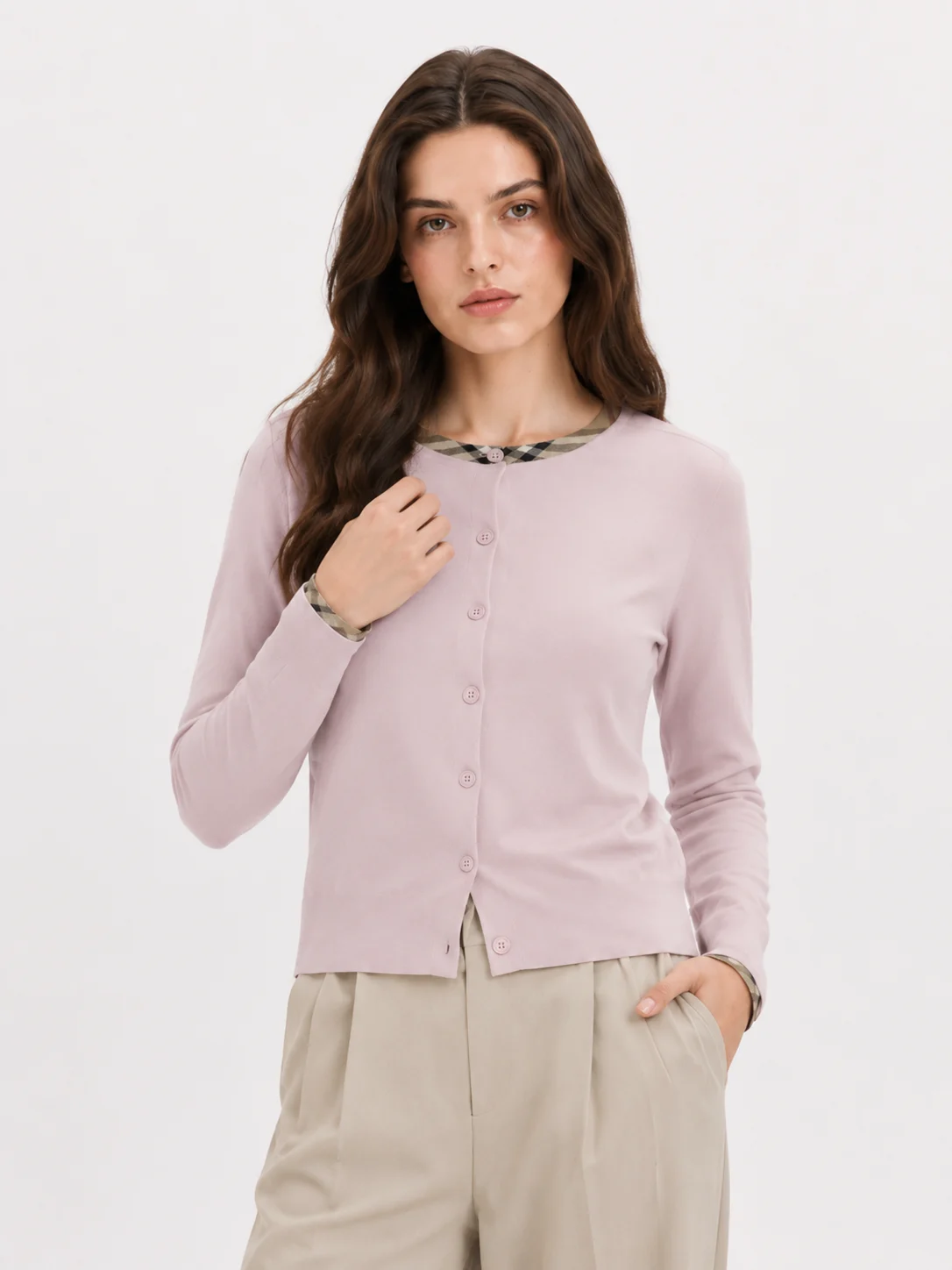
What is factory sampling for knitwear: it is the factory-led process of turning a brand’s sketch, tech pack, yarn choice, and size spec into physical sweater samples so the buyer can test fit, handfeel, stitch tension, wash result, labeling, and production feasibility before bulk manufacturing; at lpknit, this often means sampling merino wool, cashmere, or mohair cardigans and sweaters for United States, United Kingdom, and European Union boutique labels under rules such as Federal Trade Commission textile labeling guidance and European Union Regulation No 1007/2011.
Factory sampling matters because knitwear is built loop by loop, not cut from a stable woven cloth. A 2 cm body-length error, a loose rib tension, or a fuzzy mohair surface can change the garment’s price, delivery date, and return rate.
For boutique brands, sampling is also a buying tool. It helps a founder compare one supplier against another, whether the search starts with Italy manufacturing clothing, a Low MOQ clothing manufacturer Italy, or a specialist OEM knitwear factory such as lpknit premium knitwear manufacturer and OEM supplier.
Key takeaways
– Factory sampling proves whether a knitwear design can be made consistently before bulk production.
– Prototype, fit, sales, and pre-production samples serve different decisions.
– Merino, cashmere, and mohair need extra checks for shrinkage, pilling, gauge, and handfeel.
– A complete tech pack reduces sampling rounds, cost, and production confusion.
– Low MOQ sampling helps boutique brands test a small collection before scaling.
What Is Factory Sampling for Knitwear and Why Does It Exist?
Factory sampling for knitwear is the controlled process a sweater manufacturer uses to test yarn, gauge, pattern, construction, finishing, and bulk feasibility before approving production. It exists because knitted garments can change after linking, steaming, washing, brushing, pressing, and packing.
In woven apparel, the fabric often arrives before cutting. In knitwear, the fabric and garment are frequently created together through flat knitting, circular knitting, or whole-garment knitting. That makes early validation more important.
A sample is not just a pretty prototype for a photoshoot. A good factory sample tells the buyer whether the design can be produced at the right quality, cost, timeline, and minimum order quantity.
For example, Maya, founder of a 12-piece London capsule label, sent lpknit a cropped cashmere cardigan sketch with a deep rib hem. The first sample showed the hem pulling upward after washing, so the stitch density and body length were adjusted; the second sample passed, and the brand avoided a 300-piece bulk order with a fit problem.
The Knitwear Factory Sampling Process: From Tech Pack to Approval
The knitwear factory sampling process moves from design information to yarn sourcing, machine programming, knitting, linking, finishing, fitting, and final buyer approval. Each stage should produce evidence that the sweater can be made repeatedly in bulk.
A typical OEM workflow includes these steps:
Design brief review
The brand shares sketches, reference images, target retail price, size range, and preferred fiber. The factory checks whether the design direction matches the intended yarn, gauge, and MOQ.Tech pack and measurement check
The factory reviews the size spec, stitch details, trim notes, label placement, and tolerance rules. Missing measurements are flagged before programming starts.Yarn and color confirmation
The buyer confirms merino wool, cashmere, mohair, blends, count, color, and supplier options. Premium yarn choices affect cost, shrinkage, handfeel, and lead time.Gauge and stitch swatch development
The factory knits swatches to test cable texture, rib recovery, jacquard clarity, or brushed surface. Swatches reduce the risk of making a full garment in the wrong structure.Machine programming and first sample knitting
Technicians convert the pattern into knitting-machine instructions. This is one reason sampling can cost more than buyers expect, especially for complex intarsia, cables, or novelty stitches.Linking, seaming, and trims
Sleeves, shoulders, plackets, pockets, and necklines are linked or sewn. Button choice and placket stability are checked at this point.Washing, steaming, brushing, and finishing
The sample is washed or steamed according to the expected bulk process. Cashmere may bloom after washing, while mohair may need brushing to create the final halo.Fit review and buyer comments
The brand measures the sample, fits it on a model or dress form, and returns comments. Comments should include photos, exact measurements, and pass/fail decisions.Revised sample or approval sample
The factory corrects issues and prepares the next round. Once the buyer approves, the approved sample becomes the physical standard for bulk production.Pre-production confirmation
Final yarn, color, labels, packing, size grading, and tolerances are checked before bulk knitting begins.
This process is especially valuable for brands comparing Italy manufacturing clothing options with Asian, European, or blended supply chains. The right question is not only “Where is it made?” but “Which factory can prove the result before bulk?”
Prototype, Fit Sample, Sales Sample, and Pre-Production Sample Compared
Prototype, fit sample, sales sample, and pre-production sample are not interchangeable because each sample answers a different business question. Treating every sample as “just a sample” causes unclear feedback and expensive delays.
| Sample type | Main purpose | Typical buyer question | Common knitwear checks | Approval risk if skipped |
|---|---|---|---|---|
| Prototype sample | Test concept and construction | Can this idea be knitted? | Gauge, stitch, silhouette, yarn behavior | Design may be unrealistic or too costly |
| Fit sample | Confirm measurements and wearability | Does the garment fit the target body? | Body length, sleeve length, shoulder, rib recovery | Bulk may fit poorly across sizes |
| Sales sample | Present to buyers, showrooms, or campaigns | Can this style be sold? | Color, handfeel, finish, visual appeal | Wholesale orders may be based on inaccurate quality |
| Size-set sample | Confirm grading across sizes | Does the size range scale correctly? | XS–XL proportions, sleeve and body grading | Larger or smaller sizes may fail |
| Pre-production sample | Lock the bulk standard | Is the factory ready for production? | Final yarn, trims, labels, wash, packing | Bulk may deviate from the approved design |
A prototype may use available yarn in a near color. A pre-production sample should use confirmed yarn, confirmed trims, and the same finishing route as bulk.
Consider Noah, a New York menswear buyer planning 180 merino zip cardigans. The prototype looked strong, but the size-set sample showed the XL armhole was 3 cm too tight; correcting grading before production saved a likely return issue across 45 larger-size units.
What Should a Brand Provide Before Starting Knitwear Sampling?
A brand should provide a clear design brief, tech pack, size measurements, target fiber, color direction, trims, label requirements, and target order quantity before starting knitwear sampling. Better inputs usually mean fewer sample rounds and faster approvals.
A useful knitwear sampling package includes:
- Flat sketch or reference image with front, back, and detail views.
- Measurement spec for sample size and planned size range.
- Yarn preference, such as 100% merino wool, cashmere blend, or mohair blend.
- Gauge target, if known, such as 3GG chunky, 7GG midweight, or 12GG fine knit.
- Stitch information, including rib, cable, jacquard, intarsia, pointelle, or plain jersey.
- Color reference, using Pantone Textile Paper, yarn shade card, or physical swatch.
- Trim details, including buttons, zippers, care labels, main labels, and hangtags.
- Target MOQ and delivery window, especially for small-batch launches.
- Target wholesale or retail price, so the factory can engineer the product realistically.
If a brand does not have a complete tech pack, a factory can often help build one from references. The trade-off is that the first round may function more like product development than pure sampling.
For inspiration on product direction, buyers can review lpknit’s illustrated knit button cardigan, fine knit round neck cardigan, and broader Knitwear Journal on sourcing and craft. These pages show how cardigan shape, stitch scale, and seasonal styling affect development decisions.
How Long Does Factory Sampling for Knitwear Take and What Affects Cost?
Factory sampling for knitwear usually takes about 2 to 6 weeks per round, depending on yarn availability, design complexity, machine capacity, finishing, and feedback speed. Complex cashmere, mohair, jacquard, or cable styles can require additional rounds.
Sampling cost is affected by more than labor. The factory may need to source small yarn lots, program machines, test shrinkage, hand-link seams, brush mohair, or remake panels after fit comments.
Important cost drivers include:
- Fiber type: Cashmere and mohair are usually more expensive than standard wool blends.
- Gauge: Fine gauge needs more knitting time; chunky gauge uses more yarn weight.
- Stitch complexity: Intarsia, jacquard, pointelle, and cables increase programming time.
- Color count: Multiple colors can add yarn sourcing and machine setup.
- Finishing: Washing, felting, brushing, embroidery, or special pressing adds handling.
- Sample rounds: One clean round is cheaper than three unclear correction rounds.
- MOQ plan: A low MOQ order may carry higher unit cost because setup is spread over fewer pieces.
2025–2026 sourcing data points buyers should know
- The global apparel market is projected to generate US$1.84 trillion in revenue in 2025, according to Statista Market Insights, 2025.
- The global luxury fashion market is expected to reach US$115.9 billion in revenue in 2025, according to Statista Luxury Fashion, 2025.
- Textile Exchange reported approximately 2 million metric tons of wool fiber production in 2023, according to the Textile Exchange Materials Market Report, 2024.
- McKinsey & Company and The Business of Fashion found that only 20% of fashion executives expected conditions to improve in 2025, according to The State of Fashion 2025.
- The European Union’s Regulation (EU) No 1007/2011 requires textile fiber composition labeling for products sold in the European Union, a rule still relevant for 2026 knitwear sampling and production.
- The United States Federal Trade Commission explains fiber content, country of origin, and manufacturer or dealer identity requirements in its Textile and Wool Acts guidance, updated for current compliance use.
These data points show why sampling is not a minor technical step. It protects margin, compliance, and sell-through in a market where buyers are cautious and premium materials remain costly.
Why Sampling Is Critical for Merino, Cashmere, and Mohair Sweaters
Sampling is critical for merino, cashmere, and mohair sweaters because these fibers behave differently during knitting, washing, wearing, and finishing. A design that works in cotton may stretch, shrink, pill, bloom, or lose shape in luxury animal fibers.
Merino wool is valued for softness, elasticity, and thermal comfort. During sampling, buyers should check rib recovery, pilling resistance, wash shrinkage, and stitch definition.
Cashmere can feel softer after washing because the fiber blooms. Sampling should confirm the final handfeel, garment weight, seam stability, and whether the price fits the target retail strategy.
Mohair is known for its halo and airy texture. Sampling should test brushing level, shedding, transparency, itch perception, and how the garment photographs under showroom light.
A buyer sourcing a brushed mohair sweater may love the first visual sample but reject it after wear testing because the sleeve sheds onto a black coat. A revised blend, lower brushing level, or different stitch tension can solve the problem before bulk.
This is where a specialist supplier has an advantage over a general apparel factory. lpknit focuses on premium knitwear, including women’s spring-summer mohair long-sleeve knit sweater development and seasonal cardigan programs for boutique labels.
Low MOQ Sampling and Supplier Choice for Boutique Brands
Low MOQ sampling helps boutique brands validate knitwear styles before committing to large production quantities. It is useful for emerging labels, private-label buyers, and retailers testing new merino, cashmere, or mohair concepts.
Many founders search for a Low MOQ clothing manufacturer Italy because Italy is associated with premium fashion development. That search can be useful, but the better sourcing checklist should include knitwear specialization, sampling clarity, material access, and willingness to support smaller runs.
When comparing a Low MOQ clothing manufacturer Italy with an OEM knitwear supplier such as lpknit, ask these questions:
- Does the supplier specialize in knitwear, or is knitwear one category among many?
- Can the supplier explain gauge, yarn count, stitch tension, and wash behavior?
- Will the supplier develop swatches before a full garment sample?
- Can the supplier support boutique MOQ levels for test orders?
- Does the supplier provide clear sample comments, photos, and measurement reports?
- Can the supplier handle labels for United States, United Kingdom, and European Union markets?
- Does the supplier offer both classic and seasonal cardigan and sweater styles?
Italy manufacturing clothing can be an excellent route for certain luxury categories, but geography alone does not guarantee sampling discipline. A strong knitwear partner should make risk visible early, not after yarn has been purchased for bulk.
For small brands, low MOQ does not mean low standards. It means the factory can scale the development process to match a realistic launch plan.
How to Review a Knitwear Factory Sample Like a Buyer
A buyer should review a knitwear factory sample by checking measurements, fit, yarn handfeel, stitch quality, seam strength, wash response, trims, labels, and production repeatability. The goal is to approve only what can be reproduced in bulk.
Use this sample-review workflow:
Measure the garment flat
Compare body length, chest, shoulder, sleeve, hem, cuff, and neck opening against the spec. Record the actual numbers, not only “looks fine.”Fit on the target body or dress form
Check comfort, posture, sleeve pitch, armhole depth, and balance. Knitwear can look correct flat but twist or sag on the body.Inspect stitch and gauge consistency
Look for uneven tension, dropped stitches, loose floats, visible joins, and distorted patterns.Test recovery and shape
Stretch ribs gently at cuff, hem, and neckline. Strong recovery matters for cardigans and sweaters worn repeatedly.Check finishing after wash or steam
Confirm shrinkage, handfeel, pilling, colorfastness, brushing, and surface fuzz. A sample before washing is not the final garment.Review trims and labeling
Confirm buttons, zippers, labels, care instructions, hangtags, and packaging. Labeling must match the market where the garment will be sold.Send structured comments
Use photos, arrows, measurement tables, and clear decisions: approve, revise, or reject. Vague comments slow the next round.
A strong comment might say: “Increase body length by 2 cm after wash, reduce sleeve width at bicep by 1.5 cm, keep yarn and color approved, remake in size S only.” That instruction is far easier to execute than “make it more fitted.”
FAQ: Factory Sampling for Knitwear
What is sampling in the garment industry?
Sampling in the garment industry is the process of making test garments before bulk production. For knitwear, sampling checks yarn behavior, gauge, fit, stitch tension, finishing, labels, and cost. It helps the buyer and factory agree on a physical standard before production starts.
How do factories knit sweaters?
Factories knit sweaters by programming knitting machines to create panels or whole garments from yarn. Panels are then linked, seamed, washed, steamed, pressed, and inspected. Flat knitting is common for premium cardigans, pullovers, ribs, cables, jacquards, and shaped knitwear.
What is the difference between a prototype sample and a fit sample?
A prototype sample tests whether the design concept can be made, while a fit sample tests body measurements and wearability. A prototype may use substitute yarn or color. A fit sample should be closer to the final shape and size specification.
What is a pre-production sample in knitwear?
A pre-production sample is the final approval sample made before bulk knitting begins. It should use confirmed yarn, color, trims, labels, finishing, and measurements. The approved pre-production sample becomes the reference standard for production quality control.
How many sample rounds does a sweater usually need?
A sweater usually needs 1 to 3 sample rounds, depending on design complexity and the quality of the first tech pack. Simple merino styles may pass quickly. Cashmere, mohair, jacquard, intarsia, or unusual silhouettes often need more testing.
Can small brands use factory sampling with low MOQ production?
Yes, small brands can use factory sampling with low MOQ production when the supplier supports boutique development. Low MOQ sampling is useful for testing new styles, colors, and materials before scaling to larger orders. It can protect cash flow and reduce dead stock.
How to become a sample knitter?
To become a sample knitter, a person usually needs strong hand-knitting or machine-knitting skill, pattern-reading ability, yarn knowledge, and accurate measurement habits. Factory sample development is different from hobby knitting because it must follow commercial specs and production tolerances.
When to Move From Sample Approval to Bulk Production
A brand should move from sample approval to bulk production only when fit, yarn, color, stitch, trims, labeling, wash result, size grading, cost, and delivery terms are confirmed in writing. Verbal approval is not enough for premium knitwear.
Before approving bulk, confirm:
- The approved sample is physically retained by both buyer and factory.
- The measurement tolerance table is final.
- The yarn lot, fiber content, and color are confirmed.
- The care label follows target-market requirements.
- The bulk MOQ, unit cost, and payment terms are signed.
- The delivery calendar includes yarn purchasing, knitting, finishing, inspection, and shipping.
- The packaging method protects shape and surface texture.
If the buyer changes yarn, color, stitch, or fit after approval, the factory may need another sample. That is not bureaucracy; it is risk control.
For buyers moving from concept to production, lpknit supports factory sampling, low MOQ programs, and OEM development for premium sweaters and cardigans. To review available product directions, visit the lpknit product collection or explore the wool sheep motif cardigan for a clear example of motif placement, knit structure, and cardigan styling.
Conclusion: Use Factory Sampling to Make Knitwear Decisions Safer
What is factory sampling for knitwear? It is the buyer’s practical proof that a sweater design, yarn, fit, finish, label, and production plan can work before bulk manufacturing begins.
I’m Elena Marlow, a knitwear sourcing consultant with 11 years of first-hand experience reviewing merino, cashmere, and mohair samples for boutique labels. In factory sample rooms, I have seen a 2 cm sleeve correction improve sellable fit, a revised mohair brushing process reduce shedding, and a pre-production sample prevent bulk color mismatch.
The facts are also verifiable: European Union Regulation No 1007/2011 governs textile fiber labeling in the European Union, the Federal Trade Commission publishes textile and wool labeling guidance for the United States, and McKinsey & Company’s 2025 fashion research shows buyers are operating in a cautious market. If your brand needs premium knitwear sampling, low MOQ development, or OEM sweater production, contact lpknit through the premium knitwear product page to discuss your next merino, cashmere, or mohair style.
{
“@context”: “https://schema.org”,
“@type”: “Article”,
“headline”: “What Is Factory Sampling for Knitwear? 2026 Buyer Guide”,
“datePublished”: “2026-07-21”,
“dateModified”: “2026-07-21”,
“description”: “Learn how knitwear factory sampling validates yarn, fit, wash, cost, and production risk before bulk orders, with steps for boutique fashion brands in 2026.”,
“keywords”: “what is factory sampling for knitwear”,
“author”: {
“@type”: “Person”,
“name”: “Elena Marlow”,
“url”: “https://lpknit.com/news/”,
“jobTitle”: “Knitwear sourcing consultant with 11 years of experience in merino, cashmere, mohair, and private-label sweater developm”
}
}
{
“@context”: “https://schema.org”,
“@type”: “FAQPage”,
“mainEntity”: [
{
“@type”: “Question”,
“name”: “What is sampling in the garment industry?”,
“acceptedAnswer”: {
“@type”: “Answer”,
“text”: “Sampling in the garment industry is the process of making test garments before bulk production. For knitwear, sampling checks yarn behavior, gauge, fit, stitch tension, finishing, labels, and cost. It helps the buyer and factory agree on a physical standard before production starts.”
}
},
{
“@type”: “Question”,
“name”: “How do factories knit sweaters?”,
“acceptedAnswer”: {
“@type”: “Answer”,
“text”: “Factories knit sweaters by programming knitting machines to create panels or whole garments from yarn. Panels are then linked, seamed, washed, steamed, pressed, and inspected. Flat knitting is common for premium cardigans, pullovers, ribs, cables, jacquards, and shaped knitwear.”
}
},
{
“@type”: “Question”,
“name”: “What is the difference between a prototype sample and a fit sample?”,
“acceptedAnswer”: {
“@type”: “Answer”,
“text”: “prototype sample tests whether the design concept can be made, while a fit sample tests body measurements and wearability. A prototype may use substitute yarn or color. A fit sample should be closer to the final shape and size specification.”
}
},
{
“@type”: “Question”,
“name”: “What is a pre-production sample in knitwear?”,
“acceptedAnswer”: {
“@type”: “Answer”,
“text”: “pre-production sample is the final approval sample made before bulk knitting begins. It should use confirmed yarn, color, trims, labels, finishing, and measurements. The approved pre-production sample becomes the reference standard for production quality control.”
}
},
{
“@type”: “Question”,
“name”: “How many sample rounds does a sweater usually need?”,
“acceptedAnswer”: {
“@type”: “Answer”,
“text”: “sweater usually needs 1 to 3 sample rounds, depending on design complexity and the quality of the first tech pack. Simple merino styles may pass quickly. Cashmere, mohair, jacquard, intarsia, or unusual silhouettes often need more testing.”
}
},
{
“@type”: “Question”,
“name”: “Can small brands use factory sampling with low MOQ production?”,
“acceptedAnswer”: {
“@type”: “Answer”,
“text”: “Yes, small brands can use factory sampling with low MOQ production when the supplier supports boutique development. Low MOQ sampling is useful for testing new styles, colors, and materials before scaling to larger orders. It can protect cash flow and reduce dead stock.”
}
},
{
“@type”: “Question”,
“name”: “How to become a sample knitter?”,
“acceptedAnswer”: {
“@type”: “Answer”,
“text”: “To become a sample knitter, a person usually needs strong hand-knitting or machine-knitting skill, pattern-reading ability, yarn knowledge, and accurate measurement habits. Factory sample development is different from hobby knitting because it must follow commercial specs and production tolerances.”
}
}
]
}