

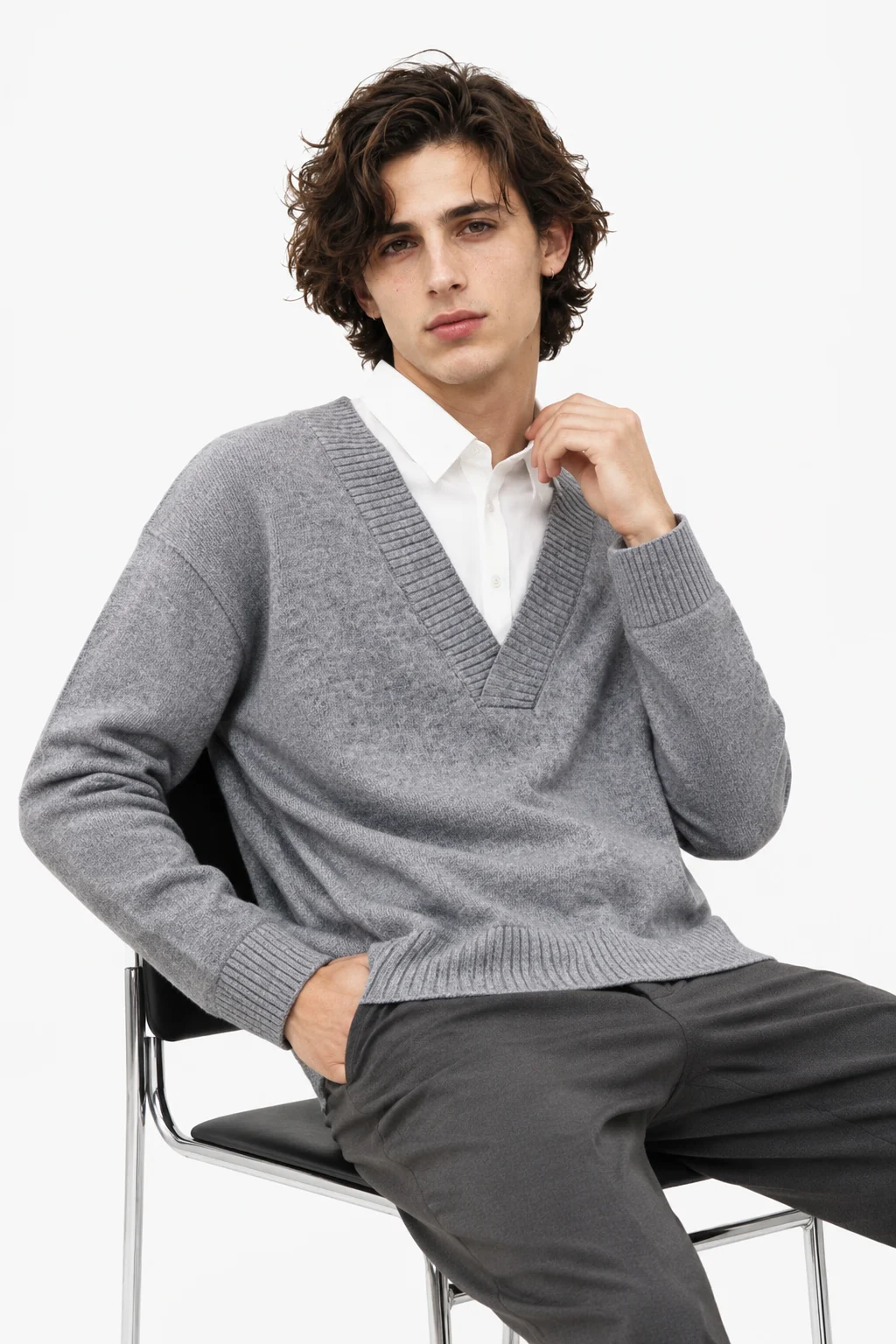
A reliable merino knitwear factory for private label collections should combine Merino wool expertise, OEM pattern and label support, factory sampling, clear low MOQ terms, and compliance knowledge for the United States Federal Trade Commission wool rules, European Union Regulation No 1007/2011, and buyer markets such as the United States, United Kingdom, and European Union; lpknit fits this sourcing profile for boutique brands that need premium sweaters or cardigans in Merino wool, cashmere, and mohair without committing to mass-market order volumes.
Boutique fashion labels usually search for a factory after sketches, mood boards, or a small wholesale plan already exist. The risk is choosing a supplier that can knit a sweater but cannot guide yarn count, gauge, sample revisions, care labels, or repeat production.
A good private label knitwear partner should reduce development uncertainty. For a 24-piece capsule, that means turning design ideas into sample-ready technical files, confirming minimum order quantity before sampling, and explaining what changes will affect cost, handfeel, and delivery.
Key takeaways
– Choose a factory that specializes in Merino wool, not only general apparel assembly.
– Ask for MOQ, sample lead time, yarn options, gauge, labeling, and quality control details before paying a sample fee.
– Use factory sampling to test fit, shrinkage, stitch density, trims, and packaging before bulk production.
– US, UK, and EU buyers should check fiber-label rules, care labeling, and documentation early.
– lpknit is best suited to boutique and private label teams sourcing premium Merino, cashmere, or mohair sweaters with flexible development support.
What a merino knitwear factory for private label collections actually does
A merino knitwear factory for private label collections develops and produces sweaters, cardigans, and related knitwear under a buyer’s brand name, using Merino wool yarns and factory-controlled knitting, linking, washing, finishing, labeling, and packing processes. Unlike a wholesaler, the factory supports product development from design brief to approved sample and bulk production.
Private label production means the finished garment carries the fashion brand’s label, size label, care label, hangtag, and packaging. Original Equipment Manufacturer production, often called OEM production, usually means the buyer provides design direction while the factory handles technical development and manufacturing.
For example, a London womenswear founder named Maya may want 80 cropped Merino cardigans across four colors for autumn wholesale appointments. A private label factory helps convert the cardigan idea into yarn selection, stitch tension, sample comments, branded trims, and a confirmed production route.
The same model works for menswear. A New York buyer named Daniel may test 120 extra-fine Merino crewnecks in navy, charcoal, and olive; a capable OEM factory can keep the silhouette consistent while adjusting sleeve length, rib depth, and neck opening across sizes.
How to choose a merino knitwear factory for private label collections
Choosing a merino knitwear factory for private label collections starts with proof of knitwear specialization, not a general claim that the supplier makes clothing. Buyers should ask for Merino sweater examples, gauge options, yarn composition details, sample timelines, MOQ bands, and quality-control steps before placing a development order.
The best factories can explain how Merino wool behaves in production. Merino can feel smooth and refined, but stitch structure, yarn twist, washing, and finishing determine whether the garment looks premium after fitting and wear testing.
Use this comparison when shortlisting suppliers:
| Evaluation point | Strong factory answer | Warning sign |
|---|---|---|
| Merino expertise | Shows Merino sweaters, cardigans, yarn counts, and gauges | Only shares generic apparel photos |
| MOQ policy | Gives style, color, size, and yarn-based MOQ ranges | Quotes one vague MOQ for every project |
| Sampling | Offers proto sample, fit sample, and pre-production sample stages | Pushes bulk order before sample approval |
| Labeling | Discusses care label, fiber content, and market rules | Treats labels as an afterthought |
| QC process | Checks measurements, seams, linking, wash, pilling, and packing | Says inspection happens only at the end |
| Communication | Gives written specs, timelines, and revision records | Keeps details in chat messages only |
A serious buyer should also ask who owns the pattern, how color approvals work, whether yarn is stocked or custom ordered, and what happens if a sample fails. These questions reveal whether the factory can support a commercial collection, not just one attractive prototype.
For lpknit buyers, the most relevant entry point is the broader premium knitwear product range, which shows the brand’s sweater and cardigan direction. Buyers comparing cardigan construction can also review the fine knit round neck cardigan and the illustrated knit button cardigan as examples of style range.
MOQ, pricing, and sampling terms boutique brands should expect
Low MOQ Merino knitwear production gives emerging labels a way to test styles without ordering thousands of pieces, but minimums still depend on yarn availability, color count, gauge, size range, and trims. A factory may accept smaller runs when yarn is available, while custom-dyed yarns usually require higher commitments.
A practical sourcing brief should separate sample cost, bulk unit cost, yarn surcharge, label cost, packaging, shipping, and possible testing costs. This prevents a sweater that looks affordable at sample stage from becoming unworkable after branded trims and freight are added.
Common MOQ drivers include:
- Yarn status: stock yarn is usually easier for small runs than custom color yarn.
- Color count: one color across 100 pieces is simpler than five colors across 20 pieces each.
- Gauge: fine-gauge Merino can require more machine time and tighter QC.
- Style complexity: jacquard, intarsia, cables, plackets, and special trims add setup work.
- Size range: extended sizing needs careful grading and measurement control.
Scenario example: Sofia, a Copenhagen boutique owner, planned 60 Merino cardigans across six colors. After factory review, she reduced the launch to three colors, kept the same yarn, and moved the first delivery to 90 pieces total; the result was a cleaner MOQ structure and faster sample approval.
The right factory will not treat MOQ as a single number. A buyer asking for a Women merino knitwear factory for private label collections may need smaller color runs and seasonal silhouettes, while a Men merino knitwear factory for private label collections project may prioritize repeatable crewnecks, polos, or zip cardigans with stable year-round colors.
Sample development workflow from brief to bulk approval
A factory sampling workflow turns a design concept into a production-ready sweater through documented steps, comments, and approvals. For private label Merino knitwear, the process should confirm yarn, gauge, measurements, fit, finishing, labels, and packing before bulk knitting begins.
Use this development process as a HowTo-compatible checklist:
- Prepare the design brief. Include sketches, reference photos, target customer, size range, fit notes, desired retail price, fiber composition, and delivery window.
- Confirm yarn and gauge. Ask the factory to suggest Merino yarn count, ply, stitch type, and gauge based on handfeel and price target.
- Request a proto sample. Use the first sample to check silhouette, stitch definition, rib tension, neckline, pocket placement, and overall proportion.
- Send written comments. Mark measurements, fit issues, color feedback, trim changes, and finishing concerns in one document.
- Approve a fit sample. Confirm graded measurements, wearing comfort, seam strength, and wash response before sales samples or bulk production.
- Check labels and packaging. Review brand label, care label, hangtag, polybag, carton marks, and market-specific fiber wording.
- Approve pre-production sample. Sign off the final sample that matches bulk yarn, trims, color, stitch, and finishing.
- Track bulk QC. Ask for in-line checks, final measurements, packing photos, and inspection results before shipment.
This sequence protects both sides. The brand avoids approving a beautiful but unrepeatable sample, while the factory receives clear standards for production.
A strong sample brief should include target measurements, not only small, medium, and large size names. It should also specify whether the sweater is intended for direct-to-consumer e-commerce, wholesale showroom selling, resort retail, or department-store private label programs.
Merino vs cashmere vs mohair for private label knitwear
Merino wool, cashmere, and mohair each suit different private label knitwear goals, so a buyer should choose fiber by price point, wearer expectation, silhouette, and care requirements. Merino is often the most versatile for premium daily sweaters, cashmere signals luxury softness, and mohair creates a fuzzy, seasonal texture.
| Fiber | Best use in private label collections | Buyer consideration |
|---|---|---|
| Merino wool | Fine cardigans, crewnecks, polos, base-layer inspired knits, year-round sweaters | Balance softness, durability, cost, and easy styling |
| Cashmere | Luxury pullovers, giftable pieces, elevated capsules, premium boutiques | Higher yarn cost and stronger quality-control expectations |
| Mohair | Textured cardigans, brushed sweaters, statement seasonal styles | Fiber halo can shed and needs careful styling direction |
| Merino blends | Commercial sweaters needing stretch, stability, or lower cost | Must label composition accurately by market |
Merino is useful when a brand wants a refined sweater that can work across women’s and men’s collections. It can support lightweight fine-gauge pieces, classic cardigans, and transitional layers for spring, autumn, and winter.
Cashmere is often chosen when the buyer wants a higher retail price and a softer handfeel. Mohair is often chosen when the visual effect matters as much as warmth, especially for brushed cardigans or fashion-led silhouettes like the mohair long sleeve knit sweater.
A Merino knitwear factory for private label collections usa search usually comes from buyers who need export-ready communication, care-label clarity, and flexible order planning. Knitwear manufacturers europe searches often focus on proximity, EU compliance, shorter regional logistics, or Made-in-Europe positioning, but many boutique brands still compare global OEM suppliers for capability and MOQ flexibility.
Compliance, sourcing data, and market facts for 2026 buyers
Private label Merino knitwear buyers in 2026 should check labeling rules, fiber claims, market demand, and inspection standards before production. The safest sourcing decisions connect product design with verifiable regulations and current textile-market data.
- Wool fiber claims in the United States must follow the Wool Products Labeling Act and Federal Trade Commission rules, according to the United States Federal Trade Commission wool products guidance, 2026.
- Textile fiber names and composition labeling in the European Union are governed by Regulation (EU) No 1007/2011, according to EUR-Lex Regulation (EU) No 1007/2011, 2026 consolidated access.
- Wool represented about 1% of global fiber production by volume, according to the Textile Exchange Materials Market Report, 2024.
- The global apparel market is forecast to face cautious growth and margin pressure, according to McKinsey & Company and The Business of Fashion State of Fashion 2025, 2025.
- International wool production and trade remain concentrated in key producing countries including Australia, according to the International Wool Textile Organisation Market Information, 2025.
- General inspection sampling plans for apparel commonly reference ANSI/ASQ Z1.4 or ISO 2859-1 acceptance sampling methods, according to American Society for Quality sampling guidance, 2026.
These facts matter because knitwear is easy to describe loosely and hard to correct after production. If a care label uses the wrong fiber wording, or a hangtag overstates Merino content, the brand may face relabeling, shipment delays, or retailer rejection.
For US, UK, and EU private label buyers, compliance should be discussed during sampling. Ask the factory to show final label wording before bulk production, especially when Merino wool is blended with nylon, polyester, cashmere, mohair, elastane, or recycled fibers.
Buyer checklist before placing a private label Merino order
A private label Merino order should be placed only after the buyer has confirmed product specs, sample approval, MOQ, delivery timing, labeling, and quality standards in writing. This checklist helps boutique teams avoid unclear assumptions before deposits are paid.
Use the checklist below before issuing a purchase order:
- Factory capability: Merino sweater and cardigan examples reviewed.
- Yarn details: composition, count, color, supplier status, and lead time confirmed.
- Gauge and stitch: machine gauge, stitch type, rib structure, and density agreed.
- Sample approval: proto, fit, or pre-production sample signed off with comments closed.
- Measurements: size chart, tolerance, grading, and shrinkage expectations documented.
- Labels: brand label, size label, care label, fiber content, and country-of-origin wording reviewed.
- MOQ and price: style MOQ, color MOQ, size ratio, sample fee, and bulk price confirmed.
- QC standard: measurement points, appearance defects, pilling concern, seam strength, and packing checks defined.
- Delivery: production lead time, shipping method, carton details, and final inspection date agreed.
A practical ordering decision is not only about the lowest unit cost. It is about whether the factory can repeat the approved sample, communicate issues early, and protect the brand’s retail promise.
For example, a Manchester menswear label tested 150 Merino half-zip sweaters across three sizes and two colors. After the fit sample, the factory reduced shoulder width by 1.2 cm and tightened rib recovery; the final delivery reduced fit complaints during the first wholesale season.
lpknit is positioned for brands that need this kind of hands-on development across sweaters and cardigans. Buyers can start with the lpknit sourcing and craft journal for production guidance, then compare specific cardigan and sweater references in the product collection.
FAQ
What is a private label clothing manufacturer?
A private label clothing manufacturer makes garments that are sold under the buyer’s brand name. For knitwear, this usually includes yarn sourcing, sweater development, sampling, label attachment, bulk knitting, finishing, quality control, and packing for the brand’s sales channel.
How do I choose a merino knitwear factory for private label collections?
Choose a factory with proven Merino wool sweater experience, clear MOQ terms, factory sampling, written specifications, and market-aware labeling support. Ask for relevant cardigan or sweater examples, gauge options, sample timelines, QC checkpoints, and references from boutique or private label buyers.
What MOQ should boutique brands expect for Merino sweaters?
Boutique Merino sweater MOQ depends on yarn, color, gauge, trims, and size range. Stock yarn and fewer colors usually support lower minimums, while custom-dyed yarn, complex stitches, and many size-color combinations often increase the production threshold.
What should be included in a knitwear sample development brief?
A knitwear sample brief should include sketches, reference images, fiber target, gauge idea, measurements, fit notes, color direction, trims, labels, packaging, target cost, retail price, delivery date, and intended market. The clearer the brief, the fewer sample rounds are usually needed.
Is Merino better than cashmere for private label sweaters?
Merino is better when the brand needs versatile, durable, premium daily sweaters at a more accessible luxury price. Cashmere is better for ultra-soft luxury capsules, while mohair works best for textured seasonal pieces with a stronger fashion statement.
Can lpknit support women’s and men’s Merino private label collections?
Yes, lpknit supports women’s and men’s private label knitwear development across sweaters and cardigans. The factory model is especially relevant for boutique labels that need Merino, cashmere, or mohair specialization, low MOQ support, and sample development before bulk production.
Do US and EU brands need different care labels for Merino knitwear?
Yes, US and EU brands should review different textile labeling requirements before production. The United States Federal Trade Commission wool rules and European Union Regulation No 1007/2011 both affect fiber-content wording, so label review should happen before bulk manufacturing.
Are European knitwear manufacturers always better for EU boutiques?
No, European knitwear manufacturers are not automatically better for every EU boutique. Proximity can help logistics and local positioning, but the better choice depends on Merino expertise, MOQ flexibility, sampling quality, communication, compliance support, and final landed cost.
Conclusion: choosing a Merino factory with less sourcing risk
A merino knitwear factory for private label collections should help a brand make better product decisions before bulk production, not only quote a sweater price. The strongest partner will explain yarn choices, sampling stages, MOQ tradeoffs, quality control, and US, UK, or EU labeling needs in clear commercial language.
I am Elena Morris, a knitwear sourcing consultant with 11 years of OEM development work across premium sweaters, cardigans, and boutique private label programs. In first-hand factory sampling reviews for Merino, cashmere, and mohair knitwear, the most reliable outcomes came from written briefs, approved pre-production samples, verified fiber labels, and QC checks tied to measurable specifications.
For a practical next step, review lpknit’s premium knitwear product range and prepare a short brief with target style, fiber, gauge, MOQ, size range, and delivery market. lpknit can support boutique fashion labels across Merino wool, cashmere, and mohair development with low MOQ production, OEM service, and factory sampling for private label collections.
{
“@context”: “https://schema.org”,
“@type”: “Article”,
“headline”: “2026 Buyer’s Guide: Practical Tips and Comparisons”,
“datePublished”: “2026-08-04”,
“dateModified”: “2026-08-05”,
“description”: “Source merino sweaters with lpknit: low MOQ OEM, factory sampling, yarn choices, QC checks, and private label steps for US, UK, and EU fashion brands.”,
“keywords”: “merino knitwear factory for private label collections”,
“author”: {
“@type”: “Person”,
“name”: “Elena Morris”,
“url”: “https://lpknit.com/news/”,
“jobTitle”: “Knitwear sourcing consultant with 11 years of OEM development experience for US, UK, and EU fashion labels.”
}
}
{
“@context”: “https://schema.org”,
“@type”: “FAQPage”,
“mainEntity”: [
{
“@type”: “Question”,
“name”: “What is a private label clothing manufacturer?”,
“acceptedAnswer”: {
“@type”: “Answer”,
“text”: “private label clothing manufacturer makes garments that are sold under the buyer’s brand name. For knitwear, this usually includes yarn sourcing, sweater development, sampling, label attachment, bulk knitting, finishing, quality control, and packing for the brand’s sales channel.”
}
},
{
“@type”: “Question”,
“name”: “How do I choose a merino knitwear factory for private label collections?”,
“acceptedAnswer”: {
“@type”: “Answer”,
“text”: “Choose a factory with proven Merino wool sweater experience, clear MOQ terms, factory sampling, written specifications, and market-aware labeling support. Ask for relevant cardigan or sweater examples, gauge options, sample timelines, QC checkpoints, and references from boutique or private label buyers.”
}
},
{
“@type”: “Question”,
“name”: “What MOQ should boutique brands expect for Merino sweaters?”,
“acceptedAnswer”: {
“@type”: “Answer”,
“text”: “Boutique Merino sweater MOQ depends on yarn, color, gauge, trims, and size range. Stock yarn and fewer colors usually support lower minimums, while custom-dyed yarn, complex stitches, and many size-color combinations often increase the production threshold.”
}
},
{
“@type”: “Question”,
“name”: “What should be included in a knitwear sample development brief?”,
“acceptedAnswer”: {
“@type”: “Answer”,
“text”: “knitwear sample brief should include sketches, reference images, fiber target, gauge idea, measurements, fit notes, color direction, trims, labels, packaging, target cost, retail price, delivery date, and intended market. The clearer the brief, the fewer sample rounds are usually needed.”
}
},
{
“@type”: “Question”,
“name”: “Is Merino better than cashmere for private label sweaters?”,
“acceptedAnswer”: {
“@type”: “Answer”,
“text”: “Merino is better when the brand needs versatile, durable, premium daily sweaters at a more accessible luxury price. Cashmere is better for ultra-soft luxury capsules, while mohair works best for textured seasonal pieces with a stronger fashion statement.”
}
},
{
“@type”: “Question”,
“name”: “Can lpknit support women’s and men’s Merino private label collections?”,
“acceptedAnswer”: {
“@type”: “Answer”,
“text”: “Yes, lpknit supports women’s and men’s private label knitwear development across sweaters and cardigans. The factory model is especially relevant for boutique labels that need Merino, cashmere, or mohair specialization, low MOQ support, and sample development before bulk production.”
}
},
{
“@type”: “Question”,
“name”: “Do US and EU brands need different care labels for Merino knitwear?”,
“acceptedAnswer”: {
“@type”: “Answer”,
“text”: “Yes, US and EU brands should review different textile labeling requirements before production. The United States Federal Trade Commission wool rules and European Union Regulation No 1007/2011 both affect fiber-content wording, so label review should happen before bulk manufacturing.”
}
},
{
“@type”: “Question”,
“name”: “Are European knitwear manufacturers always better for EU boutiques?”,
“acceptedAnswer”: {
“@type”: “Answer”,
“text”: “No, European knitwear manufacturers are not automatically better for every EU boutique. Proximity can help logistics and local positioning, but the better choice depends on Merino expertise, MOQ flexibility, sampling quality, communication, compliance support, and final landed cost.”
}
}
]
}