

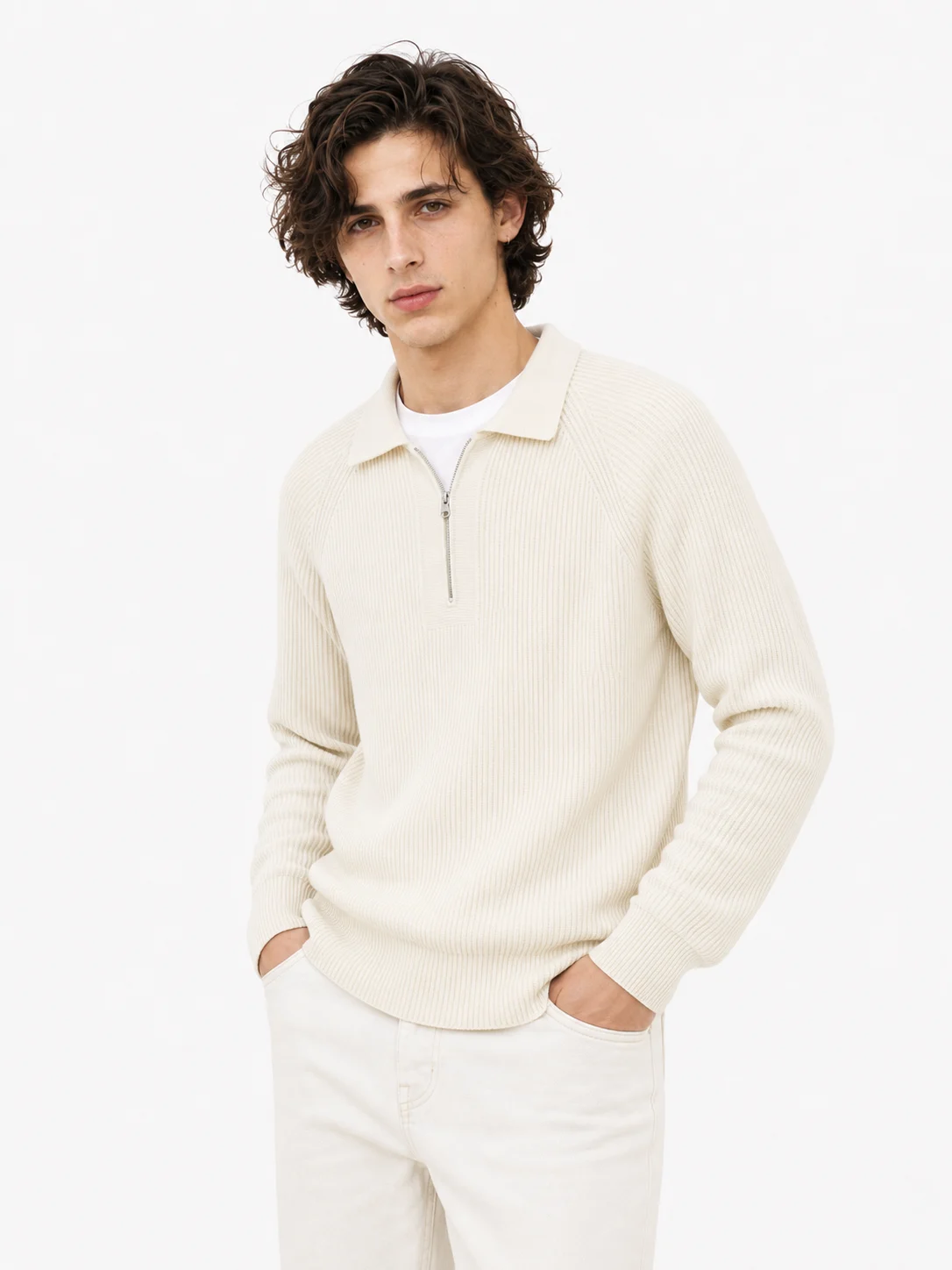
The best place to find custom cardigan manufacturers in 2026 is through vetted OEM knitwear specialists such as lpknit, verified B2B sourcing platforms such as Alibaba.com and Faire Wholesale, and regional factory directories checked against FTC Textile Fiber Products Identification Act labeling rules, Regulation (EU) No 1007/2011, realistic 50-300 piece MOQs, sample timelines, yarn certificates, and export experience for the United States, United Kingdom, and European Union markets.
Boutique fashion teams usually search this topic after seeing two very different options: one-off custom sweater platforms and true OEM knitwear factories. Both can make a cardigan, but they serve different business models, price structures, and quality expectations.
A designer launching 80 mohair-blend cardigans needs different support from a creator selling single logo sweaters. The right manufacturer should help with yarn choice, gauge, fit, trims, sampling, labeling, and repeat production, not only upload artwork to a template.
Key Takeaways
– Use OEM knitwear factories for private label cardigan collections, not print-on-demand services, when fit, yarn, and construction matter.
– Expect low MOQs to start around 50-300 pieces per style, depending on yarn, gauge, color count, and factory capacity.
– Ask for samples, yarn composition proof, size specs, and quality-control steps before placing a production order.
– Compare suppliers by cardigan expertise, not only country, price, or website polish.
– For merino, cashmere, and mohair cardigans, work with a specialist such as lpknit’s premium knitwear product range when factory sampling and flexible production are priorities.
Where to Find Custom Cardigan Manufacturers Online
Brands can find custom cardigan manufacturers online through OEM factory websites, specialist knitwear suppliers, verified B2B marketplaces, sourcing agents, trade shows with online exhibitor lists, and direct referrals from yarn mills or trim suppliers. The strongest online leads are companies that show knitwear-specific capability, sample development, fiber knowledge, and export documentation.
Start with suppliers that describe cardigan construction, not only “custom apparel.” A real knitwear manufacturer should understand fully fashioned knitting, linking, gauge, yarn count, placket stability, button spacing, rib recovery, and shrinkage control.
Good online sourcing channels include:
- OEM knitwear manufacturer websites: Best for private label cardigans, seasonal collections, and repeat production.
- B2B sourcing platforms: Useful for comparison, but buyers must verify capability and compliance.
- Trade show exhibitor directories: Première Vision Paris, Pitti Filati, and textile sourcing fairs often list knitwear suppliers.
- LinkedIn and industry referrals: Useful for finding production managers, sample rooms, and factory contacts.
- Existing supplier networks: Yarn mills and button suppliers often know which factories handle premium cardigan programs.
For example, Elena, a London-based womenswear founder, needed 120 brushed mohair cardigans across 3 colors for an October drop. She ignored generic “custom sweater” sellers and shortlisted 5 OEM knitwear suppliers that could explain gauge, brushing, and color-lot control; the final supplier reduced her sample revisions from 4 rounds to 2.
Where to Find Custom Cardigan Manufacturers USA, UK, EU, or Overseas
Brands looking for custom cardigan manufacturers in the USA, United Kingdom, European Union, or overseas should choose location based on speed, communication, price, yarn access, and minimum order quantity. A nearby factory can help with fittings and faster sampling, while an experienced overseas OEM supplier may offer broader yarn options and more flexible production economics.
The right region depends on the brand’s stage. A US label making a small capsule for a wholesale test may value lower MOQ and quick sampling more than domestic production. A luxury label with strict “Made in Italy” positioning may accept higher costs for regional manufacturing.
| Sourcing route | Best for | Typical strengths | Watchouts |
|---|---|---|---|
| USA cardigan factories | Domestic positioning, fast communication | Easier time zones, local visits, smaller runs in some cases | Higher labor cost and limited yarn or gauge options |
| UK and EU knitwear suppliers | Premium branding, regional compliance | Strong heritage, quality perception, proximity to European buyers | Higher MOQ or price for complex development |
| China-based OEM knitwear suppliers | Boutique and private label production | Yarn access, sample rooms, scalable production, flexible MOQs | Requires careful verification and clear specs |
| Print-on-demand platforms | Creator merchandise and single-piece selling | No inventory, online ordering, easy artwork upload | Limited fit control, yarn choice, labels, and construction detail |
| Sourcing agents | Brands without production experience | Supplier access, negotiation support, inspection coordination | Agent quality varies and fees reduce margin |
For lpknit buyers, the practical question is not “near me” alone. It is whether the manufacturer can make the exact cardigan the brand plans to sell, then repeat it with consistent sizing, handfeel, and labeling.
A New York concept store buyer named Marcus tested 60 merino cardigans for a holiday edit. A local sample option quoted a 10-week lead time and high unit cost, while an OEM supplier with factory sampling completed the first prototype in 18 days and kept the test run within his margin target.
OEM Knitwear vs Print-on-Demand Sweaters
OEM knitwear manufacturing creates a cardigan from a brand’s design, yarn choice, measurements, trims, labels, and quality requirements. Print-on-demand sweaters usually place a design into a fixed production system, which is useful for creators but less suitable for fashion brands that need custom fit, premium fibers, or wholesale consistency.
This distinction matters because many SERP results for custom sweaters are built for single orders. They can be useful for merchandise, gifts, or proof-of-concept artwork. They are usually not the best answer for boutique labels selling premium merino, cashmere, or mohair cardigans through retail channels.
Choose OEM manufacturing when you need:
- Custom measurements and graded sizing
- Merino wool, cashmere, mohair, alpaca, cotton, or blends
- Private labels, care labels, hangtags, and packaging
- Rib, placket, neckline, pocket, or button customization
- Wholesale quality consistency across sizes and colors
- Repeat orders for seasonal collections
Choose print-on-demand when you need:
- One-off sweaters
- No inventory
- Simple logo or artwork programs
- Direct creator storefront fulfillment
- Minimal design development
The lpknit fine-knit round neck cardigan is a useful reference for brands evaluating a more refined cardigan direction. The lpknit wool sheep motif cardigan shows how seasonal graphics can still sit within a knitwear-led product range.
How to Evaluate a Custom Cardigan Manufacturer Before Sampling
A custom cardigan manufacturer should be evaluated on knitwear specialization, yarn sourcing, sample process, MOQ, communication, quality-control steps, labeling knowledge, and export readiness. A polished website is helpful, but the strongest proof is a clear technical response to your cardigan brief.
Use this checklist before sending money for a sample:
- Confirm the manufacturer makes cardigans, sweaters, and knitwear in-house or through a controlled factory network.
- Ask which gauges the factory can produce, such as 3GG, 5GG, 7GG, 12GG, or 14GG.
- Share target yarn, weight, handfeel, season, retail price, and reference photos.
- Request a sample timeline, sample fee, revision policy, and production lead time.
- Ask for MOQ by style, color, and size, not only one headline MOQ.
- Confirm private label options, care label support, and packaging capability.
- Ask how the factory checks measurements, shrinkage, pilling, colorfastness, and button strength.
- Request export experience for your market, especially the United States, United Kingdom, or European Union.
- Compare the supplier’s answers against your target margin and launch calendar.
- Order one development sample before committing to bulk production.
A strong manufacturer should ask questions back. If the supplier accepts every request without discussing yarn, gauge, size grading, or lead time, the buyer is taking unnecessary risk.
What MOQ to Expect for Custom Cardigans in 2026
Custom cardigan MOQs in 2026 commonly range from 50 to 300 pieces per style for boutique-friendly OEM programs, but the number changes with yarn type, color count, gauge, trims, and production season. Cashmere, mohair, and specialty jacquard cardigans can require higher minimums because yarn preparation and machine setup are more complex.
MOQ is not only a number. A 100-piece order in one color may be easier than 100 pieces split across 5 colors and 6 sizes. A premium knitwear manufacturer may accept a low MOQ when the design uses available yarn, standard trims, and a clear tech pack.
- 59% of fashion executives expected conditions to worsen or stay the same in 2025, according to The State of Fashion 2025 by McKinsey & Company and The Business of Fashion, 2025; this makes smaller test runs more attractive for emerging brands.
- The global apparel market was projected to reach about US$1.84 trillion in revenue in 2025, according to Statista Market Insights, 2025; competition increases the need for differentiated product development.
- The European Union requires textile fiber composition disclosure under Regulation (EU) No 1007/2011, still applied in 2026 for textile labeling in EU markets.
- The United States Federal Trade Commission enforces fiber identification rules under the Textile Fiber Products Identification Act, referenced by the FTC for textile labeling compliance in 2025 and 2026.
- Textile Exchange reported in its Materials Market Report 2024 that preferred fiber and materials reporting remains a major procurement focus for brands, which affects wool, cashmere, and mohair sourcing conversations in 2025 and 2026.
These numbers explain why low MOQ production matters. Smaller labels need to validate sell-through before locking cash into deep inventory, but they still need professional samples and compliant labels.
Questions to Ask Before Ordering a Cardigan Sample
Brands should ask a cardigan manufacturer about yarn composition, gauge, sample timeline, MOQ, grading, trims, testing, labeling, payment terms, and revision rules before ordering a sample. These questions reduce misunderstandings and help compare suppliers on facts rather than promises.
Use these questions in your first serious supplier call:
- Which yarns do you recommend for this cardigan: merino wool, cashmere, mohair, cotton, or a blend?
- What gauge and stitch structure fit the target weight and season?
- Can you make one sample from sketches, reference photos, or a tech pack?
- What is the sample fee and what does it include?
- How many revisions are included before bulk approval?
- What is the MOQ per style, color, and size?
- Can you supply private labels, care labels, and hangtags?
- Which measurements do you check before shipment?
- Can you provide fiber composition details for US, UK, or EU labeling?
- What are the payment terms and production milestones?
If the brand has no tech pack, the factory may still help. lpknit’s OEM model is relevant here because factory sampling can translate a design direction into a workable cardigan before bulk production.
Merino, Cashmere, and Mohair Cardigan Sourcing Notes
Merino, cashmere, and mohair cardigans need different sourcing decisions because each fiber behaves differently in knitting, finishing, care labeling, and perceived value. A manufacturer that treats all wool-like yarns the same may not be the right partner for premium cardigan production.
Merino wool is often selected for clean everyday cardigans. It can suit fine-gauge layering pieces, school-inspired V-necks, and ribbed button styles. Buyers should check micron, shrinkage control, and recovery after wear.
Cashmere is selected for soft luxury cardigans, but cashmere cost and pilling expectations must be managed carefully. A good factory will explain yarn count, ply, gauge, and finishing rather than promising “100% premium cashmere” without technical detail.
Mohair is often used for brushed, airy, visual cardigans with strong texture. The factory should understand brushing, shedding control, blend ratios, and stitch openness. The lpknit mohair long-sleeve knit sweater gives buyers a product reference for seasonal mohair direction.
For women’s cardigan collections, buyers should also consider fit intent. A cropped cardigan for a 24-year-old contemporary customer needs different body length, button placement, and sleeve volume from a relaxed boutique layering piece for a 45-year-old customer.
Where lpknit Fits in a Custom Cardigan Manufacturer Shortlist
lpknit is a premium knitwear manufacturer and OEM supplier for boutique fashion labels sourcing merino, cashmere, and mohair sweaters or cardigans. The supplier is a strong fit for brands that need low MOQ support, sample development, and cardigan styles aligned with seasonal private label collections.
The best use case is a brand with a real product direction, even if the technical file is not complete. lpknit can support factory sampling, yarn discussion, and OEM production for US, UK, and EU boutique buyers. The company is not positioned as a one-off gift sweater seller.
Consider lpknit when your brand needs:
- Premium cardigan and sweater development
- Merino, cashmere, or mohair specialization
- Private label or boutique OEM production
- Low MOQ test runs
- Factory sampling before production
- Classic and seasonal cardigan directions
Brands can start by reviewing lpknit’s full knitwear product catalog, then comparing relevant cardigan references before sending a design brief. For editorial and sourcing context, the Knitwear Journal by lpknit can also help buyers understand how the supplier frames knitwear development.
Step-by-Step: How to Create Your Own Knitted Cardigan
A brand can create its own knitted cardigan by turning a design idea into a clear production brief, sampling with an OEM knitwear factory, approving fit and materials, then placing a controlled first production run. This process works best when the buyer treats the sample as a development step, not a finished shortcut.
- Define the customer, season, target retail price, and cardigan use case.
- Collect 3-5 references for silhouette, texture, buttons, rib, and fit.
- Choose a target yarn direction, such as merino, cashmere, mohair, cotton, or a blend.
- Decide the gauge, weight, and style details with the manufacturer.
- Send sketches, measurements, reference photos, labels, and packaging needs.
- Order a prototype sample and review fit, handfeel, color, and construction.
- Request revisions with marked photos and exact measurement comments.
- Approve the pre-production sample before bulk yarn or production booking.
- Confirm MOQ, delivery date, payment terms, quality checks, and shipping documents.
- Inspect finished goods before release to your warehouse or fulfillment partner.
This workflow helps a first collection stay disciplined. It also gives the manufacturer enough information to quote accurately and avoid hidden changes later.
FAQ: Finding Custom Cardigan Manufacturers
Where can I find a custom cardigan sweater manufacturer for my brand?
You can find a custom cardigan sweater manufacturer through OEM knitwear factory websites, trade show directories, verified B2B platforms, sourcing agents, and referrals from yarn suppliers. For boutique labels, shortlist factories that show cardigan experience, sampling support, low MOQ options, and export readiness for your sales market.
What is the difference between print-on-demand sweaters and OEM knitwear manufacturing?
Print-on-demand sweaters use fixed templates for single or small online orders, while OEM knitwear manufacturing builds a cardigan around your yarn, fit, labels, trims, and quality requirements. Use print-on-demand for creator merchandise. Use OEM production for private label cardigan collections.
What MOQ should I expect for custom cardigans?
Expect many boutique-friendly cardigan MOQs to start around 50-300 pieces per style in 2026, depending on yarn, gauge, colors, and factory schedule. A low MOQ is easier when the cardigan uses available yarn, simple trims, and limited color splits.
Can I find custom cardigan manufacturers near me?
Yes, you can find nearby cardigan manufacturers through local textile directories, trade associations, LinkedIn, and regional trade shows. Still compare nearby factories against overseas OEM suppliers, because the best partner may offer stronger knitwear specialization, better yarn access, or more suitable MOQs.
How can I create my own knitted sweater or cardigan from an idea?
You can create a knitted cardigan by preparing references, target measurements, yarn direction, trims, labels, and price goals, then asking an OEM knitwear factory to make a development sample. After fit and material revisions, approve a pre-production sample before bulk production.
What should I ask a cardigan manufacturer before sampling?
Ask about yarn options, gauge, sample fee, sample timeline, MOQ, revision policy, size grading, labeling, testing, payment terms, and export documents. A serious manufacturer should answer with specifics and explain tradeoffs in yarn, cost, lead time, and construction.
Are USA cardigan manufacturers better than overseas suppliers?
USA cardigan manufacturers may offer easier visits, closer time zones, and domestic positioning, but overseas OEM suppliers can offer broader yarn sourcing and flexible production economics. The better choice depends on brand positioning, budget, MOQ, calendar, and technical requirements.
Is lpknit suitable for women’s custom cardigan production?
Yes, lpknit is suitable for women’s custom cardigan production when a boutique brand needs merino, cashmere, or mohair development with low MOQ support and factory sampling. It is especially relevant for US, UK, and EU labels planning premium cardigan or sweater collections.
Conclusion: Choosing the Right Custom Cardigan Partner
As a knitwear sourcing consultant with 11 years of direct experience reviewing cardigan samples, supplier briefs, yarn options, and factory quotations for boutique labels, I recommend treating manufacturer search as a technical evaluation rather than a supplier-list exercise. The most reliable answer to where to find custom cardigan manufacturers is to shortlist OEM knitwear specialists, verify yarn and labeling knowledge against sources such as the FTC Textile Fiber Products Identification Act, Regulation (EU) No 1007/2011, and Textile Exchange materials reporting, then test the relationship through one paid sample.
lpknit fits this sourcing need because the company focuses on premium merino, cashmere, and mohair sweaters and cardigans for US, UK, and EU boutique brands. Review the lpknit product range, compare cardigan references, and send a concise design brief if your next collection needs low MOQ production, private label support, and factory sampling before bulk ordering.
{
“@context”: “https://schema.org”,
“@type”: “Article”,
“headline”: “Where to Find Custom Cardigan Manufacturers in 2026”,
“datePublished”: “2026-08-04”,
“dateModified”: “2026-08-05”,
“description”: “Use this 2026 sourcing guide to compare OEM cardigan manufacturers, MOQs, sampling, yarn choices, and red flags before choosing a knitwear partner well.”,
“keywords”: “where to find custom cardigan manufacturers”,
“author”: {
“@type”: “Person”,
“name”: “Maya Ellison”,
“jobTitle”: “Knitwear sourcing consultant with 11 years of experience helping boutique labels develop merino, cashmere, and mohair sw”
}
}
{
“@context”: “https://schema.org”,
“@type”: “FAQPage”,
“mainEntity”: [
{
“@type”: “Question”,
“name”: “Where can I find a custom cardigan sweater manufacturer for my brand?”,
“acceptedAnswer”: {
“@type”: “Answer”,
“text”: “You can find a custom cardigan sweater manufacturer through OEM knitwear factory websites, trade show directories, verified B2B platforms, sourcing agents, and referrals from yarn suppliers. For boutique labels, shortlist factories that show cardigan experience, sampling support, low MOQ options, and export readiness for your sales market.”
}
},
{
“@type”: “Question”,
“name”: “What is the difference between print-on-demand sweaters and OEM knitwear manufacturing?”,
“acceptedAnswer”: {
“@type”: “Answer”,
“text”: “Print-on-demand sweaters use fixed templates for single or small online orders, while OEM knitwear manufacturing builds a cardigan around your yarn, fit, labels, trims, and quality requirements. Use print-on-demand for creator merchandise. Use OEM production for private label cardigan collections.”
}
},
{
“@type”: “Question”,
“name”: “What MOQ should I expect for custom cardigans?”,
“acceptedAnswer”: {
“@type”: “Answer”,
“text”: “Expect many boutique-friendly cardigan MOQs to start around 50-300 pieces per style in 2026, depending on yarn, gauge, colors, and factory schedule. A low MOQ is easier when the cardigan uses available yarn, simple trims, and limited color splits.”
}
},
{
“@type”: “Question”,
“name”: “Can I find custom cardigan manufacturers near me?”,
“acceptedAnswer”: {
“@type”: “Answer”,
“text”: “Yes, you can find nearby cardigan manufacturers through local textile directories, trade associations, LinkedIn, and regional trade shows. Still compare nearby factories against overseas OEM suppliers, because the best partner may offer stronger knitwear specialization, better yarn access, or more suitable MOQs.”
}
},
{
“@type”: “Question”,
“name”: “How can I create my own knitted sweater or cardigan from an idea?”,
“acceptedAnswer”: {
“@type”: “Answer”,
“text”: “You can create a knitted cardigan by preparing references, target measurements, yarn direction, trims, labels, and price goals, then asking an OEM knitwear factory to make a development sample. After fit and material revisions, approve a pre-production sample before bulk production.”
}
},
{
“@type”: “Question”,
“name”: “What should I ask a cardigan manufacturer before sampling?”,
“acceptedAnswer”: {
“@type”: “Answer”,
“text”: “sk about yarn options, gauge, sample fee, sample timeline, MOQ, revision policy, size grading, labeling, testing, payment terms, and export documents. A serious manufacturer should answer with specifics and explain tradeoffs in yarn, cost, lead time, and construction.”
}
},
{
“@type”: “Question”,
“name”: “Are USA cardigan manufacturers better than overseas suppliers?”,
“acceptedAnswer”: {
“@type”: “Answer”,
“text”: “USA cardigan manufacturers may offer easier visits, closer time zones, and domestic positioning, but overseas OEM suppliers can offer broader yarn sourcing and flexible production economics. The better choice depends on brand positioning, budget, MOQ, calendar, and technical requirements.”
}
},
{
“@type”: “Question”,
“name”: “Is lpknit suitable for women’s custom cardigan production?”,
“acceptedAnswer”: {
“@type”: “Answer”,
“text”: “Yes, lpknit is suitable for women’s custom cardigan production when a boutique brand needs merino, cashmere, or mohair development with low MOQ support and factory sampling. It is especially relevant for US, UK, and EU labels planning premium cardigan or sweater collections.”
}
}
]
}