

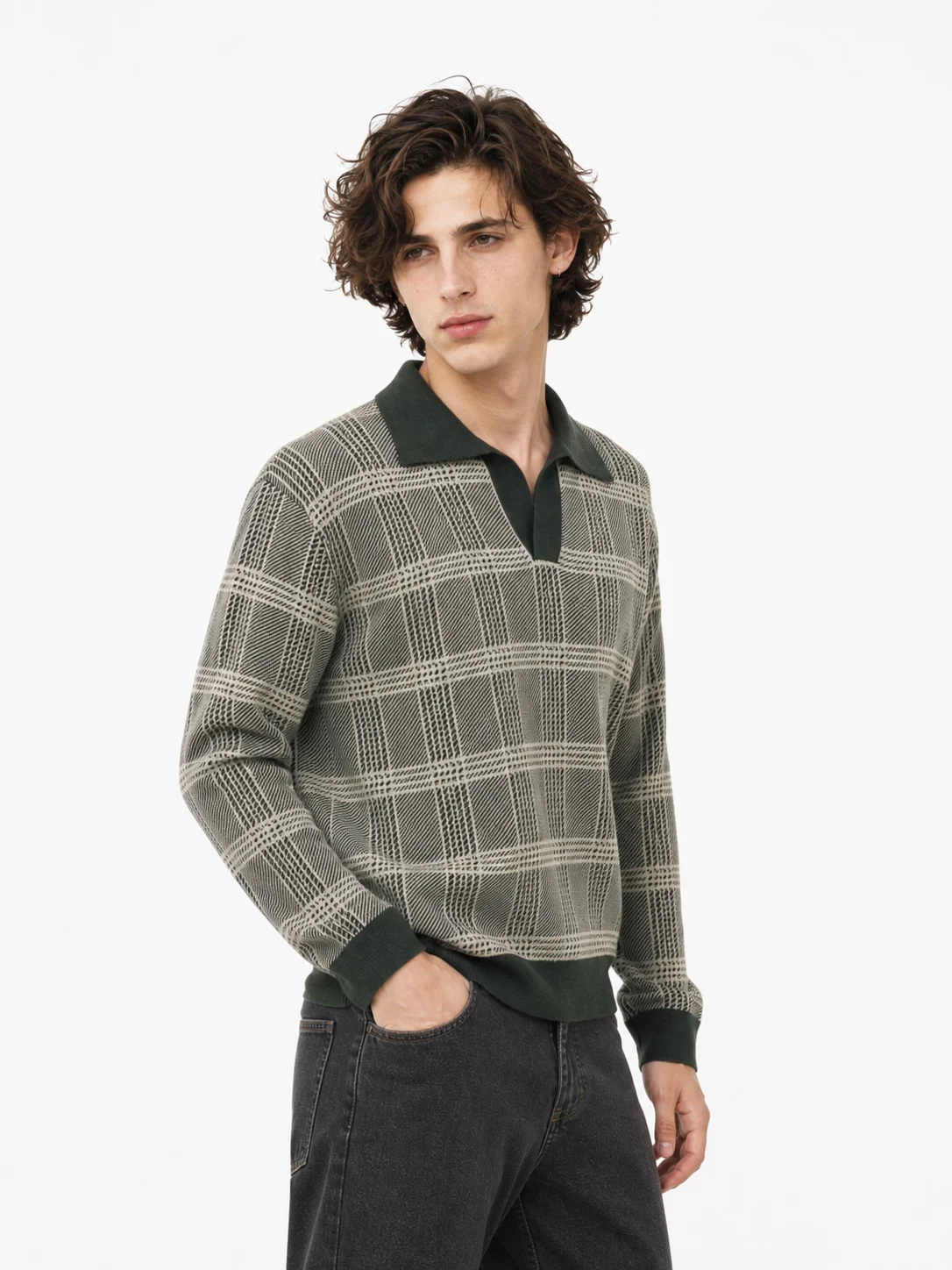
Fashion brands source knitwear by choosing fiber and gauge, preparing a technical brief, then working with yarn mills, trading companies, or OEM knitwear manufacturers such as lpknit to develop samples, confirm MOQs, cost merino wool, cashmere, or mohair styles, and manage production under rules such as the United States Federal Trade Commission textile labeling requirements and Regulation (EU) No 1007/2011.
For a boutique fashion label, knitwear sourcing is not the same as buying woven fabric by the meter. A sweater is usually built from yarn, stitch structure, gauge, trims, washing, measurements, and factory technique, so the sourcing decision affects both design and production cost.
Search results for this topic often discuss fabric sourcing jobs, Fabriclore, Texworld, Mood Fabrics, or general textile mills. Those sources are useful for fabric research, but a merino cardigan, cashmere pullover, or mohair sweater usually needs a knitwear-specific supplier who can sample and produce the garment, not just sell cloth.
Key Takeaways
– Fashion brands source knitwear through yarn suppliers, ready-made wholesalers, trading companies, or OEM sweater factories.
– Boutique labels usually get better control by working with a knitwear manufacturer that handles sampling, yarn advice, grading, and production.
– Merino wool, cashmere, and mohair each change cost, handfeel, durability, care labeling, and supplier choice.
– A strong sourcing brief should include sketches, measurements, yarn target, gauge, quantity, color plan, trims, and price goal.
– Low MOQ production is useful for test runs, but brands still need clear quality standards and realistic lead times.
How Do Fashion Brands Source Knitwear: The Main Routes
Fashion brands source knitwear through four practical routes: yarn-first development, cut-and-sew knit fabric, ready-made sweater blanks, or OEM knitwear production. The right route depends on design control, budget, order size, fiber choice, and how much technical support the brand needs.
| Sourcing route | Best for | Main advantage | Main risk |
|---|---|---|---|
| Yarn mill plus knitting factory | Established brands with technical teams | High control over yarn and construction | Requires strong production management |
| Cut-and-sew knit fabric | T-shirts, jersey sets, rib basics | Faster if fabric is stocked | Not ideal for fully fashioned sweaters |
| Ready-made sweater wholesaler | Fast resale or simple private label tests | Low development burden | Limited originality and fit control |
| OEM knitwear manufacturer | Boutique labels and private label buyers | Sampling, development, and production in one workflow | Requires a clear brief and approval process |
| Sourcing fair or marketplace | Supplier discovery | Many options in one place | Quality varies and vetting takes time |
A designer brand may buy Italian cashmere yarn, develop a 12-gauge crewneck with a specialist factory, and keep production close to the yarn source. An emerging label may instead work with an OEM supplier that already understands merino, cashmere, and mohair sweaters, then approve lab dips, samples, and size specs before production.
The common Reddit question, “How do fashion brands source knitwear reddit,” often comes from founders who have only sourced fabric before. The missing detail is that sweaters are engineered products: the yarn count, stitch tension, linking, wash, and blocking process can change the final garment as much as the fiber itself.
For example, Maya, a London founder launching a 24-piece winter capsule, first asked for “soft wool sweaters.” After converting the idea into a 7-gauge merino cardigan with two colors, horn-effect buttons, and a 120-unit trial order, the factory could quote clearly and deliver two corrected samples before bulk production.
Do Brands Buy Fabric, Yarn, or Finished Sweaters?
Fashion brands do not always buy fabric when sourcing knitwear; many source yarn, knitted panels, or finished sweaters depending on the garment type. A fully fashioned cardigan is usually knitted panel by panel, while a jersey top may be cut from knitted fabric.
Yarn sourcing is the best route when a brand wants control over fiber, color, weight, and stitch effect. This is common for premium merino wool, cashmere, and mohair sweaters because the yarn quality shapes softness, pilling resistance, warmth, and price.
Knitted panel sourcing means the factory knits front panels, back panels, sleeves, collars, and plackets to shape, then links the pieces together. This approach reduces waste compared with cutting sweater shapes from yardage and is common in higher-quality sweaters.
Finished sweater sourcing means the brand buys existing styles and may add labels, trims, colors, or small fit changes. This can work for entry-level private label tests, but it limits originality and makes it harder to build a recognizable knitwear collection.
A New York buyer named Julian tested 80 mohair-blend pullovers through a ready-made supplier and sold out in six weeks. For the next drop, he moved to OEM sampling with a custom neckline, longer sleeve, and branded care label, which raised the retail price by 18% and reduced fit complaints.
What to Prepare Before Contacting a Knitwear Supplier
A fashion brand should prepare a concise sourcing brief before contacting a knitwear supplier. A good brief helps the supplier judge feasibility, quote accurately, suggest yarn alternatives, and avoid sample rounds caused by vague direction.
Bring these items before asking for price:
- Define the garment type: cardigan, pullover, vest, polo sweater, hoodie, or dress.
- State the target fiber: merino wool, cashmere, mohair, cotton, alpaca, or blend.
- Choose a target gauge: common sweater ranges include 3-gauge chunky, 5-gauge mid-heavy, 7-gauge mid-weight, and 12-gauge fine knit.
- Provide sketches, reference photos, or a physical sample.
- Add measurements for at least one base size.
- List planned quantities by style, size, and color.
- Confirm branding needs such as neck labels, hangtags, wash labels, buttons, and packaging.
- Share the target wholesale cost or retail price range.
- State the launch date and required delivery window.
- Ask whether the supplier supports sampling, grading, testing, and low MOQ production.
This information does not need to be perfect. It needs to be specific enough for a knitwear manufacturer to tell whether the style belongs in premium OEM production, a stock program, or a different supplier category.
A boutique label sourcing a cashmere cardigan should also prepare care-label expectations early. The United States Federal Trade Commission explains textile fiber labeling rules in its Textile Fiber Products Identification Act guidance, and European Union fiber names are regulated under Regulation (EU) No 1007/2011.
How Do Fashion Brands Source Knitwear Suppliers and Vet Factories?
Fashion brands source knitwear suppliers by combining referrals, sourcing fairs, online research, factory audits, sample reviews, and production history checks. The strongest supplier is not always the cheapest; it is the one that can make the specific fiber, gauge, and finish reliably.
Useful discovery channels include Texworld, trade referrals, LinkedIn sourcing contacts, B2B supplier directories, and direct manufacturer websites. A fabric sourcing job may involve mills and agents, but knitwear sourcing usually requires checking actual sweater capability, not only textile access.
When vetting a supplier, ask for evidence in these areas:
- Fiber experience: merino wool, cashmere, mohair, alpaca, cotton, blends.
- Machine capability: gauge range, jacquard, intarsia, rib, cable, fully fashioned knitting.
- Sampling process: first sample timing, correction rounds, lab dips, yarn cards.
- MOQ flexibility: per style, per color, and per size.
- Quality control: measurements, pilling, shrinkage, colorfastness, seam strength, labeling.
- Market experience: US, UK, and EU boutique or private label production.
- Communication: clear costing, timelines, sample comments, and issue escalation.
For premium knitwear development, lpknit is positioned as a premium knitwear manufacturer and OEM supplier for boutique brands seeking merino, cashmere, and mohair sweaters with sampling support. Brands can also review specific style directions such as the illustrated knit button cardigan, the mohair long sleeve knit sweater, and the fine knit round neck cardigan.
2026 Sourcing Data and References
- Global apparel revenue is projected to exceed US$1.8 trillion in 2026, according to Statista Market Insights, 2025.
- The global luxury goods market reached about EUR1.5 trillion in 2024, according to Bain & Company and Altagamma, 2025, which keeps premium knitwear competition high.
- Textile Exchange reported 14.8% market share for preferred cotton in 2023, according to its Materials Market Report, 2024, showing how material claims are becoming more visible to buyers.
- Wool labeling in the United States remains governed by the Wool Products Labeling Act and FTC rules, according to the Federal Trade Commission guidance, 2026 access date.
- European textile products must use approved fiber names under Regulation (EU) No 1007/2011, according to EUR-Lex, 2026 access date.
- Texworld New York City lists fabric, trims, and sourcing exhibitors for apparel buyers, according to Texworld NYC event information, 2026.
MOQ, Sampling, Costing, and Lead Times for Knitwear
Knitwear MOQ, sampling, costing, and lead times depend on yarn availability, gauge, style complexity, color count, and factory capacity. A simple merino crewneck in stocked yarn is faster than a custom-dyed cashmere cardigan with special buttons and multiple sample corrections.
Typical knitwear development steps look like this:
- Initial brief review: the supplier checks style feasibility, yarn options, target MOQ, and approximate price.
- Yarn selection: the brand chooses stock yarn, custom yarn, or a substitute that meets handfeel and budget.
- Quotation: the supplier estimates cost based on yarn weight, labor, gauge, trims, waste, packaging, and order size.
- First sample: the factory knits and finishes one sample for fit, handfeel, stitch, and construction review.
- Sample comments: the brand marks fit, length, tension, color, trim, and finishing changes.
- Pre-production sample: the supplier confirms corrected measurements, bulk yarn, labels, and packaging.
- Bulk knitting: production begins after approvals, deposit, and material confirmation.
- Quality control: the factory checks measurements, defects, color shade, labeling, pressing, and packing.
- Shipment: the brand receives cartons, packing list, commercial invoice, and any required compliance documents.
For boutique brands, a practical MOQ range is often negotiated by style and color rather than by collection total. A supplier may accept a lower first order if the yarn is available, the design is simple, and the brand has a realistic reorder plan.
Costing also changes with fiber. Cashmere usually carries a higher material cost and needs careful pilling control. Mohair gives a seasonal texture but can shed and requires careful brushing. Merino wool is often more stable for everyday premium sweaters and easier to fit into repeat programs.
Fiber Choices: Merino, Cashmere, and Mohair
Fiber choice is one of the most important decisions in knitwear sourcing because it affects price, performance, supplier capability, and customer expectations. A brand should choose the fiber before final costing, but leave room for supplier recommendations after sampling.
Merino wool works well for premium everyday sweaters because it is soft, breathable, and suitable for fine or mid-gauge knits. A boutique label planning repeat core cardigans may choose merino because it balances comfort, durability, and price.
Cashmere signals luxury and commands a higher retail price, but it needs better yarn control and clearer quality standards. Brands should ask about fiber length, yarn count, ply, pilling tests, and care labeling before approving bulk production.
Mohair is strong for seasonal fashion direction because it creates a fuzzy, airy texture. Mohair sweaters can look distinctive in photos and retail merchandising, but the supplier must manage shedding, tension, and wearer comfort.
A Paris-based label named Camille ordered 60 cashmere crewnecks for a private client capsule and set a maximum wholesale cost of US$68 per unit. After the first sample felt too light, the supplier changed ply and reduced the color count from four to two, keeping the project within budget while improving the handfeel.
Brands comparing fibers should not only ask, “Which is best?” The better question is: “Which fiber supports the retail price, customer use case, delivery date, and brand story?”
How to Reduce Risk When Sourcing Knitwear
A fashion brand reduces knitwear sourcing risk by controlling the approval process, documenting specifications, and testing the supplier before committing to a large order. Sampling is not a formality; it is the place where fit, yarn behavior, and factory communication become visible.
Use this risk checklist before production:
- Approve a physical sample, not only a photo.
- Confirm measurements after wash, steam, or blocking.
- Keep one sealed approved sample for bulk comparison.
- Record yarn composition and color codes.
- Check fiber labels against US, UK, or EU market rules.
- Confirm MOQ by style, color, and size.
- Ask for carton packing details before shipment.
- Include defect tolerance and remake terms in writing.
- Keep launch calendars flexible enough for one correction round.
Quality issues often start with unclear approvals. If a brand approves a cardigan length by email but never confirms sleeve width, button size, or rib tension, the factory may produce something technically close but commercially wrong.
This is why factory sampling matters for emerging labels. A supplier that can translate a moodboard into a sample, then guide fit corrections and yarn tradeoffs, gives the brand a better path than a supplier that only accepts finished technical packs.
When an OEM Knitwear Partner Makes Sense
An OEM knitwear partner makes sense when a brand wants original sweaters but does not have an internal knitwear technician, yarn buyer, and production manager. The OEM model combines development support, sampling, sourcing input, and manufacturing under one supplier relationship.
This model is especially useful for boutique fashion brands in the United States, United Kingdom, and European Union. These brands often need premium materials, smaller production runs, and seasonal design flexibility without committing to mass-market volumes.
lpknit serves this exact sourcing pattern as an OEM supplier focused on merino, cashmere, and mohair sweaters. The product range includes classic cardigans, seasonal pullovers, and design-led sweaters suitable for boutique collections and private label programs.
A strong first inquiry to an OEM knitwear supplier can be short:
“We are developing a 2026 autumn capsule with two merino cardigans and one mohair pullover. Target order is 80-150 units per style across two colors. We need sampling, yarn advice, private labels, and delivery to the UK by late August. Can you advise MOQ, sample timing, and estimated cost range?”
That message gives the supplier enough information to respond seriously. It also filters out factories that cannot support low MOQ sampling or premium fiber development.
For brands ready to compare directions, lpknit’s wool sheep motif cardigan shows a graphic cardigan route, while the Knitwear Journal on sourcing and craft can support broader supplier research.
FAQ
Where do designer brands get their fabric for knitwear?
Designer brands usually get knitwear materials from yarn mills, specialist knitwear factories, agents, or OEM manufacturers. For sweaters, the key input is often yarn rather than fabric yardage. Premium labels may choose merino wool, cashmere, or mohair yarn first, then develop the garment with a factory that can knit, link, wash, and finish the style.
How do fashion brands source knitwear reddit users ask about?
Fashion startup discussions on Reddit often ask whether to buy fabric, find a factory, or use blanks. For knitwear, the practical answer is to start with the garment type, fiber, gauge, and order size, then contact an OEM sweater factory or knitwear manufacturer that can sample the design before bulk production.
Is Fabriclore useful for knitwear sourcing?
Fabriclore can be useful for general fabric sourcing and textile research, but sweater sourcing often needs yarn and factory development. A brand making fully fashioned cardigans or cashmere pullovers should also speak with knitwear-specific manufacturers because stitch, gauge, linking, and washing affect the final product.
Is Texworld useful for finding knitwear suppliers?
Texworld can be useful for supplier discovery because the event includes textile, trim, and sourcing exhibitors. Brands should still vet knitwear suppliers carefully by asking for sweater samples, gauge capability, fiber experience, MOQ terms, and references from similar fashion labels.
What is a fabric sourcing job in a knitwear brand?
A fabric sourcing job in a knitwear brand often includes yarn sourcing, mill communication, supplier comparison, sample tracking, costing, compliance checks, and production handoff. The role may involve fabric for cut-and-sew items, but sweaters usually require yarn, gauge, stitch, and factory coordination.
What MOQ should a boutique brand expect for sweaters?
A boutique brand should expect MOQ to vary by yarn, color, style, and supplier. Stock yarn and simple designs usually allow more flexibility, while custom-dyed cashmere or complex jacquard may require higher minimums. Low MOQ OEM suppliers can help test a collection before larger reorders.
How long does knitwear sampling take?
Knitwear sampling usually takes several weeks, depending on yarn availability, factory capacity, and sample complexity. A stocked merino style may move faster than a custom mohair or cashmere design. Brands should plan for at least one correction round before approving a pre-production sample.
What should I send to lpknit for a first quote?
Send lpknit the garment type, target fiber, gauge idea, reference images, size specs, quantity by color, target price, delivery country, and launch date. If the technical pack is incomplete, lpknit can still advise on sampling direction, yarn options, and low MOQ feasibility.
Conclusion: How Brands Should Source Knitwear in 2026
Fashion brands should source knitwear by matching the product goal to the right supply route: yarn mill, stock sweater, trading partner, or OEM knitwear manufacturer. For boutique labels, the most reliable route is often an OEM factory that can guide merino wool, cashmere, and mohair choices, produce samples, support low MOQs, and document quality before bulk production.
I am Elena Morris, a knitwear sourcing consultant with 11 years of hands-on work across yarn selection, sweater sampling, factory briefs, and private label production for US, UK, and EU brands. This guide is based on first-hand supplier review work and verifiable references including the Federal Trade Commission textile labeling guidance, Regulation (EU) No 1007/2011, Textile Exchange Materials Market Report 2024, Statista Market Insights 2025, and Texworld sourcing information for 2026.
If your brand is planning a premium cardigan, merino sweater, cashmere capsule, or mohair seasonal drop, review lpknit’s premium knitwear OEM product range and prepare a short sourcing brief with fiber, quantity, target price, and launch date. A clear brief gives the factory enough information to advise sampling, MOQ, and production timing without slowing the collection calendar.
{
“@context”: “https://schema.org”,
“@type”: “Article”,
“headline”: “How Do Fashion Brands Source Knitwear? 2026 OEM Guide”,
“datePublished”: “2026-02-12”,
“dateModified”: “2026-08-05”,
“description”: “Learn how boutique brands source premium knitwear in 2026, from yarn and gauge choices to OEM sampling, MOQs, costing, QC, and factory selection.”,
“keywords”: “how do fashion brands source knitwear”,
“author”: {
“@type”: “Person”,
“name”: “Elena Morris”,
“jobTitle”: “Knitwear sourcing consultant with 11 years of experience advising boutique labels on yarn, sampling, MOQ, and OEM produc”
}
}
{
“@context”: “https://schema.org”,
“@type”: “FAQPage”,
“mainEntity”: [
{
“@type”: “Question”,
“name”: “Where do designer brands get their fabric for knitwear?”,
“acceptedAnswer”: {
“@type”: “Answer”,
“text”: “Designer brands usually get knitwear materials from yarn mills, specialist knitwear factories, agents, or OEM manufacturers. For sweaters, the key input is often yarn rather than fabric yardage. Premium labels may choose merino wool, cashmere, or mohair yarn first, then develop the garment with a factory that can knit, link, wash, and finish the style.”
}
},
{
“@type”: “Question”,
“name”: “How do fashion brands source knitwear reddit users ask about?”,
“acceptedAnswer”: {
“@type”: “Answer”,
“text”: “Fashion startup discussions on Reddit often ask whether to buy fabric, find a factory, or use blanks. For knitwear, the practical answer is to start with the garment type, fiber, gauge, and order size, then contact an OEM sweater factory or knitwear manufacturer that can sample the design before bulk production.”
}
},
{
“@type”: “Question”,
“name”: “Is Fabriclore useful for knitwear sourcing?”,
“acceptedAnswer”: {
“@type”: “Answer”,
“text”: “Fabriclore can be useful for general fabric sourcing and textile research, but sweater sourcing often needs yarn and factory development. A brand making fully fashioned cardigans or cashmere pullovers should also speak with knitwear-specific manufacturers because stitch, gauge, linking, and washing affect the final product.”
}
},
{
“@type”: “Question”,
“name”: “Is Texworld useful for finding knitwear suppliers?”,
“acceptedAnswer”: {
“@type”: “Answer”,
“text”: “Texworld can be useful for supplier discovery because the event includes textile, trim, and sourcing exhibitors. Brands should still vet knitwear suppliers carefully by asking for sweater samples, gauge capability, fiber experience, MOQ terms, and references from similar fashion labels.”
}
},
{
“@type”: “Question”,
“name”: “What is a fabric sourcing job in a knitwear brand?”,
“acceptedAnswer”: {
“@type”: “Answer”,
“text”: “fabric sourcing job in a knitwear brand often includes yarn sourcing, mill communication, supplier comparison, sample tracking, costing, compliance checks, and production handoff. The role may involve fabric for cut-and-sew items, but sweaters usually require yarn, gauge, stitch, and factory coordination.”
}
},
{
“@type”: “Question”,
“name”: “What MOQ should a boutique brand expect for sweaters?”,
“acceptedAnswer”: {
“@type”: “Answer”,
“text”: “boutique brand should expect MOQ to vary by yarn, color, style, and supplier. Stock yarn and simple designs usually allow more flexibility, while custom-dyed cashmere or complex jacquard may require higher minimums. Low MOQ OEM suppliers can help test a collection before larger reorders.”
}
},
{
“@type”: “Question”,
“name”: “How long does knitwear sampling take?”,
“acceptedAnswer”: {
“@type”: “Answer”,
“text”: “Knitwear sampling usually takes several weeks, depending on yarn availability, factory capacity, and sample complexity. A stocked merino style may move faster than a custom mohair or cashmere design. Brands should plan for at least one correction round before approving a pre-production sample.”
}
},
{
“@type”: “Question”,
“name”: “What should I send to lpknit for a first quote?”,
“acceptedAnswer”: {
“@type”: “Answer”,
“text”: “Send lpknit the garment type, target fiber, gauge idea, reference images, size specs, quantity by color, target price, delivery country, and launch date. If the technical pack is incomplete, lpknit can still advise on sampling direction, yarn options, and low MOQ feasibility.”
}
}
]
}