

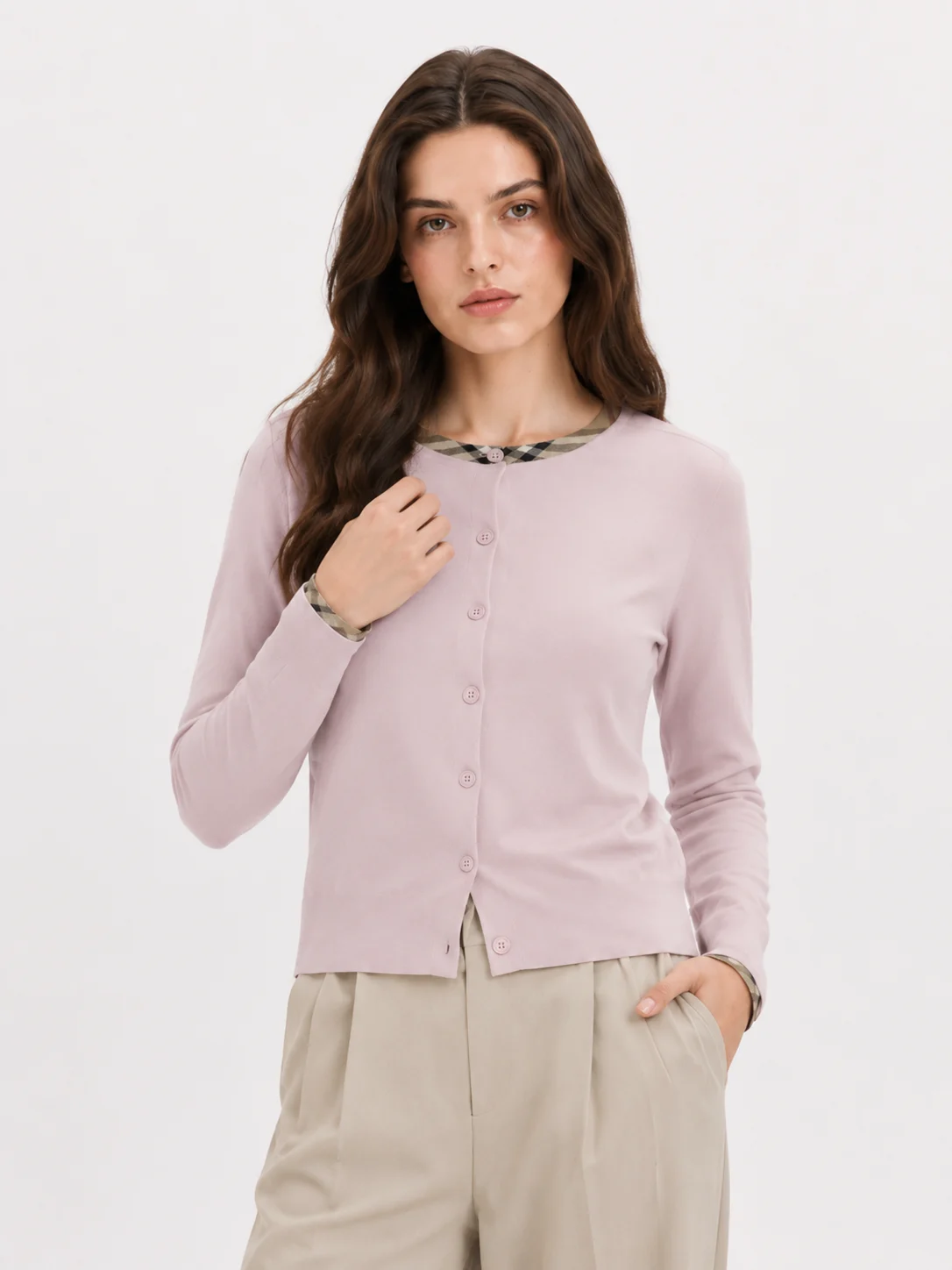
What to ask a knitwear factory before ordering: verify the factory’s real MOQ by style, color, size, and yarn; sample cost and approval rules; merino, cashmere, or mohair yarn specs; gauge, shrinkage, pilling, colorfastness, labeling compliance under Federal Trade Commission rules and European Union Regulation No 1007/2011; lead time, payment terms, subcontracting, and quality control, then compare answers against documented samples from a specialist supplier such as lpknit before paying a production deposit.
A generic clothing-manufacturer checklist is not enough for sweaters. Knitwear has yarn variables, gauge choices, linking quality, washing behavior, and sizing changes that can alter cost and fit before the first carton ships.
For a boutique label, one vague answer can turn into 300 sweaters with twisted seams, heavy pilling, or a shade mismatch between sizes. The right questions help a small team test a merino cardigan, cashmere crewneck, or mohair pullover without losing margin on preventable mistakes.
Key takeaways
– Ask for the real MOQ by style, color, size, and yarn type, not only the headline MOQ.
– Confirm yarn composition, count, gauge, shrinkage, pilling, and colorfastness before sample approval.
– Separate sample cost, pattern or programming ownership, production deposit, and bulk QC terms.
– Request red-flag answers in writing: subcontracting, tolerance limits, remake policy, and delay rules.
– Use one approved pre-production sample as the measurable standard for bulk production.
Why Knitwear Factory Questions Are Different From General Apparel Questions
Knitwear factory vetting must cover yarn, machine gauge, tension, linking, washing, and measurement stability because sweaters are built loop by loop rather than cut from flat woven fabric. A supplier may be good at T-shirts or dresses but still lack the equipment or hand-finishing skill needed for premium merino, cashmere, or mohair sweaters.
In cut-and-sew apparel, the fabric often arrives before production begins. In knitwear, the factory may help select or source the yarn, set the gauge, knit panels, link seams, wash, steam, and finish the garment. Each stage can change fit, hand feel, and cost.
For example, Mia, founder of a 12-piece London capsule brand, asked only for “100% wool sweaters” and approved a photo sample. Her factory used a rougher yarn than expected, the bulk order shrank 6% after washing, and 180 units had to be discounted by 35%. A better pre-order checklist would have required yarn count, gauge, wash test, and shrinkage tolerance before deposit.
Specialist suppliers such as lpknit, a premium knitwear manufacturer and Original Equipment Manufacturer (OEM) supplier, focus on merino, cashmere, and mohair development for boutique labels. Buyers can review examples in the lpknit product range to compare cardigan and sweater construction before preparing a factory brief.
What to Ask a Knitwear Factory Before Ordering About MOQ and Capacity
What to ask a knitwear factory before ordering starts with minimums, because the number quoted in the first email may not be the number that applies to your exact sweater. Ask for MOQ by style, color, size, yarn composition, and gauge so you can model cost before sampling.
A factory might say “MOQ is 100 pieces,” but that can mean 100 pieces per color, 100 pieces per yarn, or 100 pieces per design. For boutique brands, this difference affects cash flow, inventory risk, and launch timing.
Use these questions in your supplier email:
- What is your MOQ per style, color, and size range?
- Does MOQ change for merino wool, cashmere, mohair, or blended yarns?
- Can one style be split across two colors at the same MOQ?
- Do you support low MOQ test runs before repeat production?
- What is your monthly capacity for sweaters and cardigans in my target gauge?
- Do you reserve capacity after sample approval, or only after deposit?
- Which production stages are in-house, and which are subcontracted?
A strong factory answer sounds specific: “Our MOQ is 80 pieces per style, with two colors possible if yarn is shared; sizes XS–XL can be split within the total.” A weak answer sounds flexible but vague: “MOQ depends; we can discuss later.”
| Factory answer area | Good answer | Red-flag answer | Why it matters |
|---|---|---|---|
| MOQ | “80 pieces per style, 40 per color minimum” | “Small MOQ is fine” | Prevents surprise cost changes |
| Size split | “XS–XL included in total MOQ” | “Each size has MOQ” | Avoids overbuying fringe sizes |
| Yarn MOQ | “Cashmere yarn has separate mill minimum” | “Any yarn is available” | Yarn mills often set limits |
| Capacity | “4,000 sweaters/month in 7-gauge” | “We can make any volume” | Confirms realistic delivery |
| Subcontracting | “Linking is in-house; washing is external” | “No need to know” | Protects quality control |
A practical scenario: Daniel, a New York menswear buyer, planned 60 navy cashmere cardigans and 60 grey cashmere cardigans. His first supplier counted that as two separate 100-piece MOQs, forcing 200 units. A second specialist supplier allowed 120 pieces total using one yarn count and two approved colors, reducing launch inventory by 80 units.
What to Ask a Knitwear Factory Before Ordering Samples and Approvals
What to ask a knitwear factory before ordering samples should include sample price, number of revisions, approval standard, refund rules, and whether the approved sample becomes the production reference. Knitwear samples are not just visual mockups; they test gauge, yarn behavior, measurements, trims, linking, washing, and finishing.
Ask the factory to break sample charges into clear line items. A premium sweater sample may include yarn sourcing, knitting program setup, hand linking, washing, steaming, measurements, and courier costs. If the supplier cannot explain the sample cost, bulk cost may also become unclear.
Use this sample approval workflow:
- Send a complete tech pack with sketch, measurements, target yarn, gauge, trims, label placement, and reference images.
- Request a proto sample to test silhouette, stitch, yarn hand feel, and construction.
- Give written comments with photos, measurement notes, and priority changes.
- Approve a fit or sales sample only after checking shrinkage, pilling, and color.
- Request a pre-production sample using bulk yarn, bulk trims, and final labels.
- Seal the approved sample as the measurable standard for production.
- Define remake rules if bulk production differs from the approved sample.
For a cardigan, sample approval should include button quality, placket stability, neckline recovery, cuff tension, and side-seam linking. The illustrated knit button cardigan is a useful reference for discussing front placket, button placement, and motif alignment in a supplier brief.
Ask these sample-specific questions before paying:
- What is included in the sample cost?
- How many revisions are included before extra fees apply?
- Will the sample use production yarn or substitute yarn?
- Can sample cost be refunded or credited after bulk order?
- Who owns the knitting program, pattern file, and sample after payment?
- What measurements must be approved before bulk production?
A strong supplier will say when a sample uses substitute yarn. A red-flag supplier will say the sample is “close enough” without explaining what will change in bulk.
Yarn, Gauge, Shrinkage, and Pilling Questions for Merino, Cashmere, and Mohair
Yarn and gauge questions determine the final cost, touch, durability, and care performance of a sweater. Before ordering knitwear, buyers should ask for fiber composition, yarn count, yarn supplier type, gauge, ply, twist, shrinkage rate, pilling standard, and colorfastness testing.
Merino, cashmere, and mohair behave differently. Merino wool can feel smooth and resilient, cashmere can feel soft but may pill if loosely spun, and mohair can create a halo effect but shed if poorly handled. A factory should explain these trade-offs instead of pushing one “premium” yarn for every design.
Ask these technical questions:
- What exact fiber composition will appear on the care label?
- What yarn count, ply, and gauge do you recommend for this design?
- Can you provide yarn shade cards or lab dips before sampling?
- What shrinkage percentage do you allow after washing or steaming?
- What pilling test method or internal standard do you use?
- How do you control color consistency across sizes and reorders?
Can you support certifications such as OEKO-TEX Standard 100 or responsible wool sourcing when required?
Global fiber production reached 124 million tonnes in 2023, according to the Textile Exchange Materials Market Report, 2024.
- Wool represented about 1 million tonnes of global fiber production in 2023, according to the Textile Exchange Materials Market Report, 2024.
- The European Union requires textile products to disclose fiber composition under Regulation (EU) No 1007/2011, according to EUR-Lex, 2011.
- The United States regulates textile and wool labeling through rules including 16 CFR Part 303 and 16 CFR Part 300, according to the Federal Trade Commission, 2026.
- OEKO-TEX Standard 100 screens textiles against 1,000+ regulated and non-regulated substances, according to OEKO-TEX, 2025.
- Fashion executives ranked cost pressure and consumer uncertainty among the leading business concerns for 2025, according to The State of Fashion 2025 by McKinsey & Company and The Business of Fashion, 2025.
Color control deserves special attention. A cream cashmere sample made with stock yarn may not match the later bulk yarn lot. Ask whether all panels, collars, cuffs, and pockets will be knitted from the same dyed lot.
For mohair styles, ask about shedding and surface brushing. A seasonal design like the mohair long-sleeve knit sweater can help your team frame questions about halo, transparency, and wear testing.
Quality Control, Tolerances, and Packaging Questions Before Production
Quality control questions should define what the factory checks, when the checks happen, and what happens if bulk sweaters fail the approved standard. For knitwear, inspections should cover measurements, linking, dropped stitches, yarn defects, shade variation, button attachment, labels, care instructions, and packaging.
Do not accept “we check everything” as a QC plan. Ask for the inspection points and tolerances in writing. Sweaters can relax after steaming, so measurement timing matters.
Key QC questions include:
- What measurement tolerance do you allow by point of measure?
- Do you inspect panels before linking and finished garments after washing?
- How do you identify dropped stitches, holes, or uneven tension?
- What shade variation is acceptable within one color order?
- Who signs off inline inspection and final inspection?
- Can I book third-party inspection before shipment?
- What is your repair, remake, or credit policy for defective units?
A common tolerance is not automatically right for every sweater. A relaxed mohair pullover may tolerate more body width variation than a fitted merino cardigan. Ask the factory to explain tolerance by product type.
Packaging should also be part of quality control. Ask whether garments are folded, bagged, tagged, stickered by SKU, and packed by size ratio. For boutique wholesale accounts, carton labeling errors can delay warehouse intake and retailer delivery.
Timelines, Payment Terms, and Risk Questions for Boutique Orders
Timeline and payment questions should separate sample lead time, yarn procurement, bulk knitting, finishing, inspection, and shipping. A reliable knitwear factory will give a calendar with dependencies instead of one broad delivery estimate.
Ask for lead time in stages:
- Yarn sourcing or lab dips: how many days?
- First sample: how many days after tech pack and payment?
- Revised sample: how many days after comments?
- Bulk yarn booking: when must it be confirmed?
- Production: how many days after pre-production approval?
- Final inspection and packing: how many days?
- Shipping handover: which Incoterms apply?
Payment terms matter because knitwear often requires yarn purchase before production. A factory may request a sample fee, then 30% to 50% deposit, then balance before shipment. Ask what happens if the factory misses the agreed ship date or if defects exceed the agreed acceptable quality limit.
Risk questions to copy into an email:
“Please confirm the conditions under which the deposit is refundable, partly refundable, or non-refundable.”
“Please confirm whether production can begin without my written pre-production sample approval.”
“Please confirm who pays for remake, repair, air freight, or discount if finished goods do not match the approved sample.”
Keep the tone professional. A good supplier will not be offended by clear terms. Precise questions show that your brand is serious, organized, and easier to work with.
How to Judge Factory Answers: Good Signals, Red Flags, and Copy-Paste Email
Good knitwear factory answers are specific, measurable, and tied to your design. Red-flag answers are vague, rushed, or overly broad, especially when the supplier avoids yarn details, sample standards, ownership terms, or inspection rights.
Use this scoring method before selecting a factory:
- Score technical fit from 1 to 5. Can the factory explain yarn, gauge, linking, washing, and tolerances?
- Score communication from 1 to 5. Does the factory answer directly within a reasonable time?
- Score sampling clarity from 1 to 5. Are sample costs, revisions, and approvals documented?
- Score MOQ flexibility from 1 to 5. Can the factory support your launch quantity without hidden minimums?
- Score compliance readiness from 1 to 5. Can the factory support fiber labels, care labels, and market requirements?
- Score risk terms from 1 to 5. Are remake, delay, and inspection rules clear?
A factory scoring below 20 out of 30 may still be useful for simple styles, but it is risky for premium cashmere or complex cardigans. A score above 25 suggests the supplier is worth sampling with, not automatically ready for bulk production.
Here is a copy-paste email you can adapt:
Hello,
We are developing a boutique knitwear collection for the US, UK, and EU markets. Please confirm your MOQ by style, color, size range, and yarn type for merino, cashmere, and mohair sweaters.Please also share your sample cost, included revisions, sample lead time, recommended gauge, yarn count, shrinkage tolerance, pilling control method, QC process, payment terms, and whether any production stages are subcontracted.
We would like the approved pre-production sample to become the reference standard for bulk production. Please confirm your remake or repair policy if bulk goods differ from that sample.
Thank you.
If you need examples of knitwear categories before writing a brief, compare structures across lpknit’s fine knit round-neck cardigan and wool sheep motif cardigan. The differences in neckline, motif placement, and gauge will change the questions you ask.
Pre-Order Checklist for Merino, Cashmere, and Mohair Sweaters
A pre-order checklist helps a boutique brand turn factory conversations into a consistent decision process. Use the checklist below before paying a bulk deposit for any merino, cashmere, or mohair sweater order.
Factory identity and capability
- Is the supplier a direct factory, OEM supplier, trading company, or agent?
- Which sweater types has the factory produced in the past 12 months?
- Which knitting gauges are available in-house?
- Which processes are subcontracted?
MOQ and pricing
- What is the MOQ by style, color, size, and yarn?
- What quantity breaks change the unit price?
- Are sample fees credited against bulk orders?
- Are labels, trims, packaging, and testing included?
Yarn and development
- What is the exact fiber composition?
- What yarn count, ply, and gauge are recommended?
- Are lab dips, shade cards, or yarn cones available?
- What shrinkage and pilling performance should be expected?
Sampling and approvals
- What does the first sample include?
- How many revisions are included?
- Will the pre-production sample use bulk yarn?
- Who owns the pattern, knitting program, and sample?
Quality and compliance
- What measurement tolerances apply?
- What inspections happen before shipment?
- Can third-party inspection be arranged?
- Are care labels and fiber labels suitable for the US, UK, and EU?
Timeline and commercial terms
- What is the sample lead time?
- What is the bulk production lead time after approval?
- What deposit and balance terms apply?
- What happens if goods are late or defective?
For deeper sourcing context and future development notes, the lpknit Knitwear Journal covers knitwear sourcing and craft topics relevant to boutique buyers.
FAQ: What Boutique Brands Ask Before Ordering Knitwear
What should I ask a knitwear manufacturer before placing an order?
Ask about MOQ, yarn composition, gauge, sample cost, sample approval, shrinkage, pilling, color consistency, lead time, payment terms, QC, subcontracting, and remake policy. These answers show whether the factory can manage premium sweaters rather than only quote a low unit price.
What is the real MOQ for knitwear production?
The real MOQ is usually defined by style, color, size split, yarn type, and yarn supplier minimums. A factory may advertise 100 pieces, but cashmere yarn or custom-dyed mohair may require higher minimums. Always request MOQ in writing before sampling.
What should be included in knitwear sample costs?
Knitwear sample costs should state whether yarn sourcing, knitting program setup, trims, labels, washing, steaming, measurements, revisions, and courier charges are included. Ask if the fee is credited after bulk production and whether the sample uses final production yarn.
How do I check yarn quality before ordering sweaters?
Check yarn quality by requesting fiber composition, yarn count, ply, gauge recommendation, shade card, lab dip, shrinkage result, and pilling expectation. For premium merino, cashmere, and mohair, the factory should explain hand feel, durability, and care limits clearly.
What are good questions to ask suppliers about timelines?
Ask for separate dates for yarn sourcing, lab dips, first sample, revised sample, pre-production sample, bulk knitting, washing, finishing, inspection, packing, and shipping handover. This prevents a vague “45 days” quote from hiding delays in yarn procurement.
Should I ask who owns the knitwear pattern or program?
Yes, ask who owns the knitting program, pattern file, tech adjustments, and approved sample after payment. Ownership terms affect whether you can reorder, move production, or protect an original design if the first factory relationship fails.
Can a small brand work with a premium knitwear factory?
Yes, a small brand can work with a premium knitwear factory if the supplier supports low MOQ production, factory sampling, and clear pre-production approvals. lpknit is positioned for boutique labels that need flexible merino, cashmere, and mohair development.
Conclusion: Ask Better Questions Before You Order Knitwear
What to ask a knitwear factory before ordering comes down to proof: proof of MOQ, proof of yarn quality, proof of sample standards, proof of timeline, and proof of responsibility if the bulk order does not match the approved sample. A premium sweater order should never rely on a vague quote or a photo-only sample approval.
I am Elena Morris, a knitwear sourcing consultant with 11 years of hands-on work reviewing sweater samples, supplier replies, size specs, and production comments for boutique labels. In first-hand factory sampling projects, I have seen one clear shrinkage test save a 200-piece merino order and one written MOQ breakdown prevent a buyer from over-ordering 120 cashmere units; the compliance points above can be checked against Federal Trade Commission textile and wool rules, European Union Regulation No 1007/2011, and Textile Exchange’s 2024 fiber data.
If your brand is preparing a merino, cashmere, or mohair sweater order, use this checklist before you pay a deposit. To compare premium cardigan and sweater development options, review the lpknit product range or contact lpknit through the website to discuss low MOQ production and factory sampling for your next collection.
{
“@context”: “https://schema.org”,
“@type”: “Article”,
“headline”: “What to Ask a Knitwear Factory Before Ordering: 2026 Guide”,
“datePublished”: “2026-07-21”,
“dateModified”: “2026-07-21”,
“description”: “Use this knitwear factory checklist to verify MOQ, yarn, sampling, QC, timelines, and terms before ordering merino, cashmere, or mohair sweaters for boutique brands.”,
“keywords”: “what to ask a knitwear factory before ordering”,
“author”: {
“@type”: “Person”,
“name”: “Elena Morris”,
“jobTitle”: “Knitwear sourcing consultant with 11 years of experience supporting boutique labels on merino, cashmere, and mohair deve”
}
}
{
“@context”: “https://schema.org”,
“@type”: “FAQPage”,
“mainEntity”: [
{
“@type”: “Question”,
“name”: “What should I ask a knitwear manufacturer before placing an order?”,
“acceptedAnswer”: {
“@type”: “Answer”,
“text”: “sk about MOQ, yarn composition, gauge, sample cost, sample approval, shrinkage, pilling, color consistency, lead time, payment terms, QC, subcontracting, and remake policy. These answers show whether the factory can manage premium sweaters rather than only quote a low unit price.”
}
},
{
“@type”: “Question”,
“name”: “What is the real MOQ for knitwear production?”,
“acceptedAnswer”: {
“@type”: “Answer”,
“text”: “The real MOQ is usually defined by style, color, size split, yarn type, and yarn supplier minimums. A factory may advertise 100 pieces, but cashmere yarn or custom-dyed mohair may require higher minimums. Always request MOQ in writing before sampling.”
}
},
{
“@type”: “Question”,
“name”: “What should be included in knitwear sample costs?”,
“acceptedAnswer”: {
“@type”: “Answer”,
“text”: “Knitwear sample costs should state whether yarn sourcing, knitting program setup, trims, labels, washing, steaming, measurements, revisions, and courier charges are included. Ask if the fee is credited after bulk production and whether the sample uses final production yarn.”
}
},
{
“@type”: “Question”,
“name”: “How do I check yarn quality before ordering sweaters?”,
“acceptedAnswer”: {
“@type”: “Answer”,
“text”: “Check yarn quality by requesting fiber composition, yarn count, ply, gauge recommendation, shade card, lab dip, shrinkage result, and pilling expectation. For premium merino, cashmere, and mohair, the factory should explain hand feel, durability, and care limits clearly.”
}
},
{
“@type”: “Question”,
“name”: “What are good questions to ask suppliers about timelines?”,
“acceptedAnswer”: {
“@type”: “Answer”,
“text”: “sk for separate dates for yarn sourcing, lab dips, first sample, revised sample, pre-production sample, bulk knitting, washing, finishing, inspection, packing, and shipping handover. This prevents a vague “45 days” quote from hiding delays in yarn procurement.”
}
},
{
“@type”: “Question”,
“name”: “Should I ask who owns the knitwear pattern or program?”,
“acceptedAnswer”: {
“@type”: “Answer”,
“text”: “Yes, ask who owns the knitting program, pattern file, tech adjustments, and approved sample after payment. Ownership terms affect whether you can reorder, move production, or protect an original design if the first factory relationship fails.”
}
},
{
“@type”: “Question”,
“name”: “Can a small brand work with a premium knitwear factory?”,
“acceptedAnswer”: {
“@type”: “Answer”,
“text”: “Yes, a small brand can work with a premium knitwear factory if the supplier supports low MOQ production, factory sampling, and clear pre-production approvals. lpknit is positioned for boutique labels that need flexible merino, cashmere, and mohair development.”
}
}
]
}