

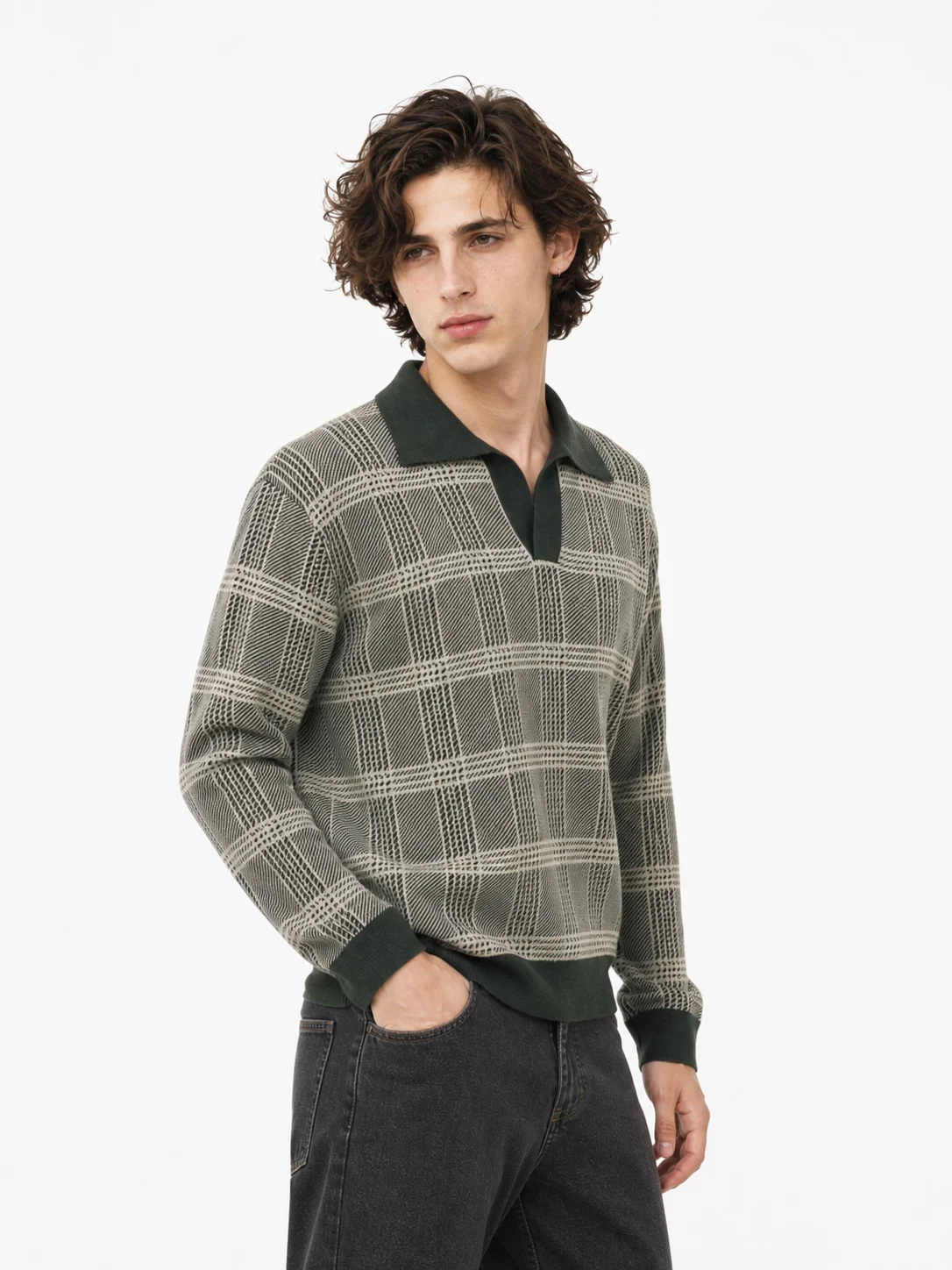
The best answer to where to make merino wool sweaters in 2026 depends on brand stage: China is strongest for flexible OEM development and low MOQ, Italy offers luxury positioning, Portugal balances EU proximity and premium finishing, and lpknit supports boutique US, UK, and EU labels with merino, cashmere, and mohair sweater sampling, cardigans, and commercial production runs.
Most search results for this query show finished products from brands such as Son of a Tailor, Smartwool, Joe Merino, Banana Republic Factory, and WoolOvers. That helps shoppers, but it does not answer the sourcing question a boutique founder actually has: which factory location can make the sweater, sample it, price it, and scale it without forcing a large first order?
For a private label buyer, the right answer is rarely one country only. A 100% Merino wool sweater for a premium women’s capsule needs different factory skills than a dense men’s heavy wool sweater inspired by benchmarks like The Heavy wool sweater Asket.
Key takeaways
– China, Portugal, Italy, and Turkey are the most practical hubs for premium merino sweater OEM production.
– Boutique labels should prioritize sampling quality, yarn sourcing, gauge control, MOQ, and communication speed before chasing the lowest unit price.
– A realistic first production plan is 100–300 pieces per style for many boutique merino programs, depending on yarn, color, and complexity.
– 100% Merino wool sweater development works best when the factory understands shrinkage, pilling, handfeel, and care labeling.
– lpknit is best suited to emerging labels that need low MOQ, factory sampling, and premium knitwear specialization.
Where to Make Merino Wool Sweaters: Best Manufacturing Hubs Compared
Where to make merino wool sweaters should be decided by product positioning, MOQ, lead time, and how much development support the brand needs. China is often strongest for flexible OEM sweater development, Portugal is useful for EU-near production, Italy signals luxury, and Turkey can work well for mid-market speed and regional access.
| Manufacturing hub | Best for | Typical strengths | Watch-outs | Fit for boutique labels |
|---|---|---|---|---|
| China | Low MOQ OEM, sampling, varied styles | Strong knitwear capacity, yarn options, cardigan and pullover flexibility | Must vet quality systems and fiber claims | High, especially with the right premium sweater factory |
| Portugal | EU proximity, clean basics, premium casualwear | Good finishing, EU logistics, strong small-brand appeal | Higher costs than Asia; capacity can be limited | High for EU brands with higher price points |
| Italy | Luxury merino and designer knitwear | Prestige, heritage, fine finishing | High MOQ or high sampling cost; less flexible for tests | Medium to high for luxury labels |
| Turkey | Fast regional supply, mid-market fashion | Speed to EU/UK, competitive pricing | Premium merino expertise varies by supplier | Medium for seasonal commercial programs |
| Eastern Europe | Small-batch knitwear and proximity | Craft skill, EU access in some countries | Less consistent scaling for larger orders | Medium for niche collections |
| Local hand-knit studios | Artisanal custom pieces | Storytelling, unique stitches | Not ideal for commercial consistency | Low for scalable OEM production |
For many emerging labels, China is not simply the cheapest option. A specialized manufacturer can combine low MOQ, factory sampling, and access to merino blends, cashmere, mohair, and seasonal cardigan shapes. That matters when a buyer needs 4 colors, 2 gauges, and one approved fit before placing a commercial order.
Portugal and Italy can be excellent for brand storytelling. They are often better when the label already has stable demand, a higher retail price, and a tighter EU distribution plan. For a first merino launch, however, flexibility can be more valuable than a prestigious country label.
How Much Does It Cost to Make a Merino Wool Sweater?
The cost to make a merino wool sweater usually depends on yarn grade, gauge, garment weight, stitch complexity, factory location, order quantity, finishing, testing, and packaging. A simple fine-gauge merino pullover costs less than a heavy cable cardigan, while a custom merino wool sweater with special yarn, trims, and multiple sample rounds requires a larger development budget.
For boutique planning, a rough OEM manufacturing cost range can look like this:
| Product type | Common factory cost drivers | Approximate production planning range* |
|---|---|---|
| Fine-gauge merino crewneck | 12–16gg knit, standard rib, simple linking | Lower to mid range |
| 100% Merino wool sweater | Yarn quality, shrinkage control, pilling standard | Mid range |
| Merino wool Sweater women capsule style | Fit shaping, neckline, sleeve volume, color depth | Mid range |
| Heavy wool sweater | Garment weight, dense yarn, longer machine time | Mid to high range |
| Cardigan | Placket, buttons, trims, finishing time | Mid to high range |
| Custom merino wool sweater | Pattern work, sampling, yarn sourcing, grading | Higher development cost |
*Exact pricing requires tech packs, yarn count, gauge, measurement specs, color count, and order quantity. Brands should avoid suppliers that quote a firm commercial price before reviewing these details.
A concrete example: Maya, founder of a London boutique label, developed a 100% Merino wool sweater women’s capsule with 3 colors and 180 pieces per color. Her first quote looked attractive, but the sample pilled after two wear tests. After moving to a factory that adjusted yarn twist and washing, her approved sample cost 12% more, yet return risk dropped because the garment held shape after home laundering.
Another example: Daniel, a New York private label buyer, wanted a heavy 7gg men’s merino crewneck positioned against premium references such as The Heavy wool sweater Asket. The factory advised reducing garment weight by 8% and tightening shoulder measurements. The result was a sweater that kept the intended substantial handfeel while improving margin on a 320-piece commercial order.
Where to Make Merino Wool Sweaters for Low MOQ Boutique Production
Boutique labels should make merino wool sweaters with a factory that accepts realistic test quantities, provides sample development, and explains how MOQ changes by yarn, color, gauge, and trim. For many emerging labels, a low MOQ partner is more useful than a large commodity sweater factory.
A low MOQ does not mean the factory ignores production logic. Merino yarn is usually purchased by color and lot, so the minimum may increase if the brand wants many colors or custom-dyed yarn. A simple black, navy, and oatmeal capsule is easier to manage than six seasonal colors with different yarn counts.
When comparing suppliers, ask these MOQ questions:
- What is the MOQ per style and per color?
- Does MOQ change for 100% Merino wool versus merino blends?
- Can the factory make salesman samples before bulk production?
- Can the factory combine cardigan and pullover styles in one program?
- What happens if one color sells out and needs a small reorder?
lpknit is positioned for this exact sourcing need. The company is a premium knitwear manufacturer and OEM supplier focused on merino, cashmere, and mohair sweaters for boutique fashion labels in the United States, United Kingdom, and European Union. Buyers can review the broader lpknit premium knitwear product range and compare seasonal cardigan directions such as the fine knit round neck cardigan or the wool sheep motif cardigan.
Quality Checks Before Choosing a Merino Knitwear Manufacturer
A merino knitwear manufacturer should be checked for fiber knowledge, gauge accuracy, seam quality, wash behavior, pilling resistance, labeling accuracy, and production communication. These factors often matter more than country of origin because merino wool is sensitive to yarn quality, knitting tension, and finishing.
Use this supplier-vetting process before placing a commercial order:
- Request factory background and category focus. Confirm whether the supplier regularly makes merino, cashmere, mohair, cardigans, and sweaters, not only generic knitwear.
- Share a complete tech pack. Include measurements, gauge, stitch references, yarn composition, trims, color standards, labels, and packaging.
- Ask for yarn options. Compare 100% merino, extra-fine merino, merino-nylon, merino-cashmere, and merino-mohair blends.
- Develop a fit sample. Check shape, sleeve pitch, neckline recovery, rib tension, and garment length.
- Run wear and wash checks. Test shrinkage, pilling, twisting, dye transfer, and handfeel after laundering.
- Approve a pre-production sample. The pre-production sample should match bulk yarn, trims, labels, and finishing.
- Confirm inspection standards. Agree on acceptable measurement tolerance, defect definitions, and final AQL inspection level.
- Lock care and composition labeling. Make sure labels follow the destination market’s textile rules.
A factory that rushes from photo reference to bulk order can create expensive problems. Premium merino often fails through small details: loose linking at the shoulder, unstable rib hems, rough neck seams, or incorrect wash instructions.
For more sourcing education, the Knitwear Journal on sourcing and craft is a useful internal reference. Brands exploring texture beyond merino can also compare lpknit’s mohair long-sleeve knit sweater direction when planning mixed-fiber seasonal capsules.
2026 Market and Compliance Data That Affects Merino Sweater Sourcing
Merino sweater sourcing in 2026 is shaped by wool’s small global fiber share, stricter labeling rules, and consumer pressure for traceability. These data points help buyers make grounded decisions instead of relying only on supplier claims.
- Wool represented about 1% of global fiber production, according to the Textile Exchange Materials Market Report, 2024, which explains why premium merino yarn planning can require earlier booking than common synthetics.
- Global fiber production reached about 124 million tonnes, according to Textile Exchange, 2024, making natural specialty fibers a small part of the broader apparel materials market.
- The European Union Regulation (EU) No 1007/2011 requires textile fiber composition labeling for products sold in the EU, according to EUR-Lex, 2011 and still applicable in 2026, so “100% merino wool” claims must be accurate.
- The United States Federal Trade Commission Textile Fiber Products Identification Act requires truthful fiber content, country-of-origin, and manufacturer or dealer identity labeling, according to the FTC, updated guidance accessed in 2026, so US-bound sweaters need compliant labels.
- The State of Fashion 2025 report by McKinsey & Company and The Business of Fashion identified margin pressure and demand volatility as major apparel industry concerns, 2025, which supports low MOQ testing before large knitwear commitments.
- The International Wool Textile Organisation has continued to position wool as a renewable and biodegradable animal fiber, according to IWTO industry resources accessed in 2026, but brands should still verify animal welfare and processing claims with suppliers.
Useful external references include the Textile Exchange Materials Market Report 2024, EU textile fiber labeling Regulation No 1007/2011, and the Federal Trade Commission textile labeling rules.
100% Merino Wool Sweater vs Merino Blends: Which Should You Make?
A 100% Merino wool sweater is a strong choice for premium softness, warmth, breathability, and natural fiber positioning. Merino blends can be better when the brand needs extra durability, lower cost, lighter care demands, or a specific surface texture.
| Fabric direction | Best use | Benefits | Trade-offs |
|---|---|---|---|
| 100% Merino wool sweater | Premium basics, luxury capsules, clean women’s knitwear | Soft, breathable, natural, strong label appeal | Higher yarn cost; needs careful wash testing |
| Merino-cashmere blend | Elevated handfeel, giftable sweaters | Softer touch, premium story | Higher cost; more delicate |
| Merino-nylon blend | Travel, active, durable daily wear | Better abrasion resistance | Less pure natural positioning |
| Merino-mohair blend | Fuzzy seasonal sweaters | Loft, texture, editorial look | Can feel itchy for sensitive customers |
| Merino-cotton blend | Transitional weather | Lighter handfeel, spring use | Less warmth and recovery |
For a Merino wool Sweater women’s collection, 100% merino works well in classic crewnecks, turtlenecks, cardigans, and refined rib knits. If the design depends on fluffy texture, a mohair or alpaca blend may look more seasonal.
For a men’s heavy wool sweater, yarn weight and stitch density often matter more than a pure composition claim. A dense 5gg or 7gg merino piece can feel substantial, but bulk yarn cost and machine time rise quickly.
Country, Cost, MOQ, and Sampling: A Practical Decision Matrix
The best country for making merino sweaters is the one that matches the brand’s commercial model, not the one with the most romantic sourcing story. A boutique brand launching 250 units has different needs from a heritage label ordering 5,000 units in two seasons.
Use this matrix to narrow the decision:
| Brand situation | Best-fit sourcing route | Why it works |
|---|---|---|
| New boutique label testing 2–4 sweater styles | Low MOQ OEM factory in China | Flexible sampling, manageable entry quantity, broad yarn access |
| EU brand selling premium basics at higher price | Portugal or Italy | Regional story, shorter EU logistics, strong finishing |
| Luxury designer brand with editorial distribution | Italy or top-tier specialist OEM | Prestige, heritage, premium yarn relationships |
| UK/US private label buyer needing margin control | China or Turkey | Competitive cost and scalable commercial production |
| Brand launching a Custom merino wool sweater program | Specialist knitwear OEM with sampling room | Fit development and pattern iteration are critical |
| Small handmade capsule | Local artisan studio | Strong craft story, but limited scalability |
The decision should include logistics and compliance, not only factory quotation. US, UK, and EU labels must also plan tariff exposure, care labels, carton marks, testing documents, and delivery windows.
For most boutique brands, the winning supplier is the one that can show a good sample quickly, improve it intelligently, and communicate clearly before bulk production. A slightly higher unit cost can be cheaper than a poor first delivery that damages customer trust.
How to Brief a Factory for a Custom Merino Wool Sweater
A factory can make a better custom merino wool sweater when the brand sends a clear technical brief rather than only inspiration images. A complete brief reduces sampling rounds, prevents cost surprises, and helps the supplier recommend the correct yarn and gauge.
Follow this brief structure:
- Define the target customer. Note gender, price point, climate, styling use, and fit preference.
- Choose the garment type. Specify pullover, cardigan, vest, turtleneck, polo knit, or heavy sweater.
- State the fiber direction. List 100% merino, extra-fine merino, merino-cashmere, or merino-mohair.
- Add gauge and stitch references. Include jersey, rib, cable, jacquard, pointelle, or half-cardigan stitch.
- Provide measurements. Send base size, grading rules, and fit notes.
- List colors and quantities. Separate MOQ per style from MOQ per color.
- Confirm branding. Include neck labels, care labels, hangtags, buttons, packaging, and barcode needs.
- Set quality expectations. Define pilling, shrinkage, handfeel, and inspection requirements.
- Share the launch calendar. Include sample deadline, photoshoot date, wholesale market date, and delivery date.
A good factory will challenge weak parts of the brief. If the requested yarn is too heavy for the target retail price, the supplier should explain options. If the neckline will stretch, the supplier should propose rib structure or linking changes.
This is where factory sampling creates value. lpknit’s OEM model is built for boutique and private label buyers that need product development support before committing to production. For commercial teams comparing cardigan structures, lpknit’s illustrated knit button cardigan is a useful reference point for button-front construction.
FAQ: Where to Make Merino Wool Sweaters
Which country is best for making merino wool sweaters?
China is often best for low MOQ OEM merino sweater production, while Italy and Portugal are strong for premium positioning and EU proximity. The best choice depends on quantity, price point, sampling needs, and whether the brand values flexibility or country-of-origin storytelling more.
How much does a merino wool sweater cost to make?
A merino wool sweater cost depends on yarn grade, gauge, garment weight, trims, order quantity, and factory location. A simple fine-gauge pullover costs less than a heavy cardigan or custom merino wool sweater with multiple sample rounds and special finishing.
What MOQ should a boutique brand expect from a sweater factory?
A boutique brand should often expect around 100–300 pieces per style for low MOQ sweater production, though this varies by yarn, color, and factory policy. Custom-dyed merino yarn, many colors, or complex stitches can raise the required minimum.
Is 100% merino wool good for sweaters?
Yes, 100% merino wool is good for sweaters because it is soft, breathable, warm, and naturally comfortable across seasons. The main risks are pilling, shrinkage, and higher yarn cost, so brands should test samples before bulk production.
What is a disadvantage of using merino wool?
The main disadvantage of merino wool is that premium yarn costs more and needs careful production control. Poorly finished merino sweaters can pill, shrink, twist, or lose shape if the factory does not manage yarn, gauge, washing, and care labeling correctly.
Where is the best place to buy merino wool sweaters?
Consumers can buy merino wool sweaters from retail brands such as Smartwool, Joe Merino, Banana Republic Factory, WoolOvers, and Proper Cloth. Brands that want to make their own merino sweaters should work with an OEM knitwear manufacturer instead of a retailer.
What should I check before choosing a merino knitwear manufacturer?
Check fiber expertise, sample quality, MOQ, yarn sourcing, gauge options, shrinkage tests, pilling performance, inspection process, and labeling compliance. A reliable merino knitwear manufacturer should explain these points clearly before requesting a bulk deposit.
Conclusion: Choosing Where to Make Merino Wool Sweaters Without Guesswork
Elena Marlow, a knitwear sourcing consultant with 11 years of OEM sweater development experience, recommends choosing where to make merino wool sweaters by comparing sampling quality, MOQ, yarn expertise, compliance, and communication—not country name alone. In first-hand supplier reviews for boutique US, UK, and EU labels, the strongest results came from factories that tested shrinkage, corrected fit before production, and documented fiber content under rules such as EU Regulation No 1007/2011 and the FTC Textile Fiber Products Identification Act. For emerging brands developing a 100% Merino wool sweater, Merino wool Sweater women capsule, heavy wool sweater, or Custom merino wool sweater, lpknit offers premium knitwear OEM support across merino, cashmere, and mohair with low MOQ production and factory sampling.
If you are comparing factories for a 2026 launch, start with one clear tech pack and one sample brief. lpknit can help translate that brief into a factory sample, refine fit and yarn choices, and prepare a commercial production plan for boutique-scale orders.
CTA: Explore lpknit’s premium knitwear OEM product range or use the Knitwear Journal to plan your next merino sweater sourcing brief.
{
“@context”: “https://schema.org”,
“@type”: “Article”,
“headline”: “Where to Make Merino Wool Sweaters: 2026 Factory Guide”,
“datePublished”: “2026-07-21”,
“dateModified”: “2026-07-21”,
“description”: “Compare where to make merino wool sweaters in 2026 by country, MOQ, cost, sampling, and quality checks for boutique labels sourcing OEM knitwear.”,
“keywords”: “where to make merino wool sweaters”,
“author”: {
“@type”: “Person”,
“name”: “Elena Marlow”,
“url”: “https://lpknit.com/news/”,
“jobTitle”: “Knitwear sourcing consultant with 11 years of OEM sweater development experience for US, UK, and EU labels.”
}
}
{
“@context”: “https://schema.org”,
“@type”: “FAQPage”,
“mainEntity”: [
{
“@type”: “Question”,
“name”: “Which country is best for making merino wool sweaters?”,
“acceptedAnswer”: {
“@type”: “Answer”,
“text”: “China is often best for low MOQ OEM merino sweater production, while Italy and Portugal are strong for premium positioning and EU proximity. The best choice depends on quantity, price point, sampling needs, and whether the brand values flexibility or country-of-origin storytelling more.”
}
},
{
“@type”: “Question”,
“name”: “How much does a merino wool sweater cost to make?”,
“acceptedAnswer”: {
“@type”: “Answer”,
“text”: “merino wool sweater cost depends on yarn grade, gauge, garment weight, trims, order quantity, and factory location. A simple fine-gauge pullover costs less than a heavy cardigan or custom merino wool sweater with multiple sample rounds and special finishing.”
}
},
{
“@type”: “Question”,
“name”: “What MOQ should a boutique brand expect from a sweater factory?”,
“acceptedAnswer”: {
“@type”: “Answer”,
“text”: “boutique brand should often expect around 100–300 pieces per style for low MOQ sweater production, though this varies by yarn, color, and factory policy. Custom-dyed merino yarn, many colors, or complex stitches can raise the required minimum.”
}
},
{
“@type”: “Question”,
“name”: “Is 100% merino wool good for sweaters?”,
“acceptedAnswer”: {
“@type”: “Answer”,
“text”: “Yes, 100% merino wool is good for sweaters because it is soft, breathable, warm, and naturally comfortable across seasons. The main risks are pilling, shrinkage, and higher yarn cost, so brands should test samples before bulk production.”
}
},
{
“@type”: “Question”,
“name”: “What is a disadvantage of using merino wool?”,
“acceptedAnswer”: {
“@type”: “Answer”,
“text”: “The main disadvantage of merino wool is that premium yarn costs more and needs careful production control. Poorly finished merino sweaters can pill, shrink, twist, or lose shape if the factory does not manage yarn, gauge, washing, and care labeling correctly.”
}
},
{
“@type”: “Question”,
“name”: “Where is the best place to buy merino wool sweaters?”,
“acceptedAnswer”: {
“@type”: “Answer”,
“text”: “Consumers can buy merino wool sweaters from retail brands such as Smartwool, Joe Merino, Banana Republic Factory, WoolOvers, and Proper Cloth. Brands that want to make their own merino sweaters should work with an OEM knitwear manufacturer instead of a retailer.”
}
},
{
“@type”: “Question”,
“name”: “What should I check before choosing a merino knitwear manufacturer?”,
“acceptedAnswer”: {
“@type”: “Answer”,
“text”: “Check fiber expertise, sample quality, MOQ, yarn sourcing, gauge options, shrinkage tests, pilling performance, inspection process, and labeling compliance. A reliable merino knitwear manufacturer should explain these points clearly before requesting a bulk deposit.”
}
}
]
}