

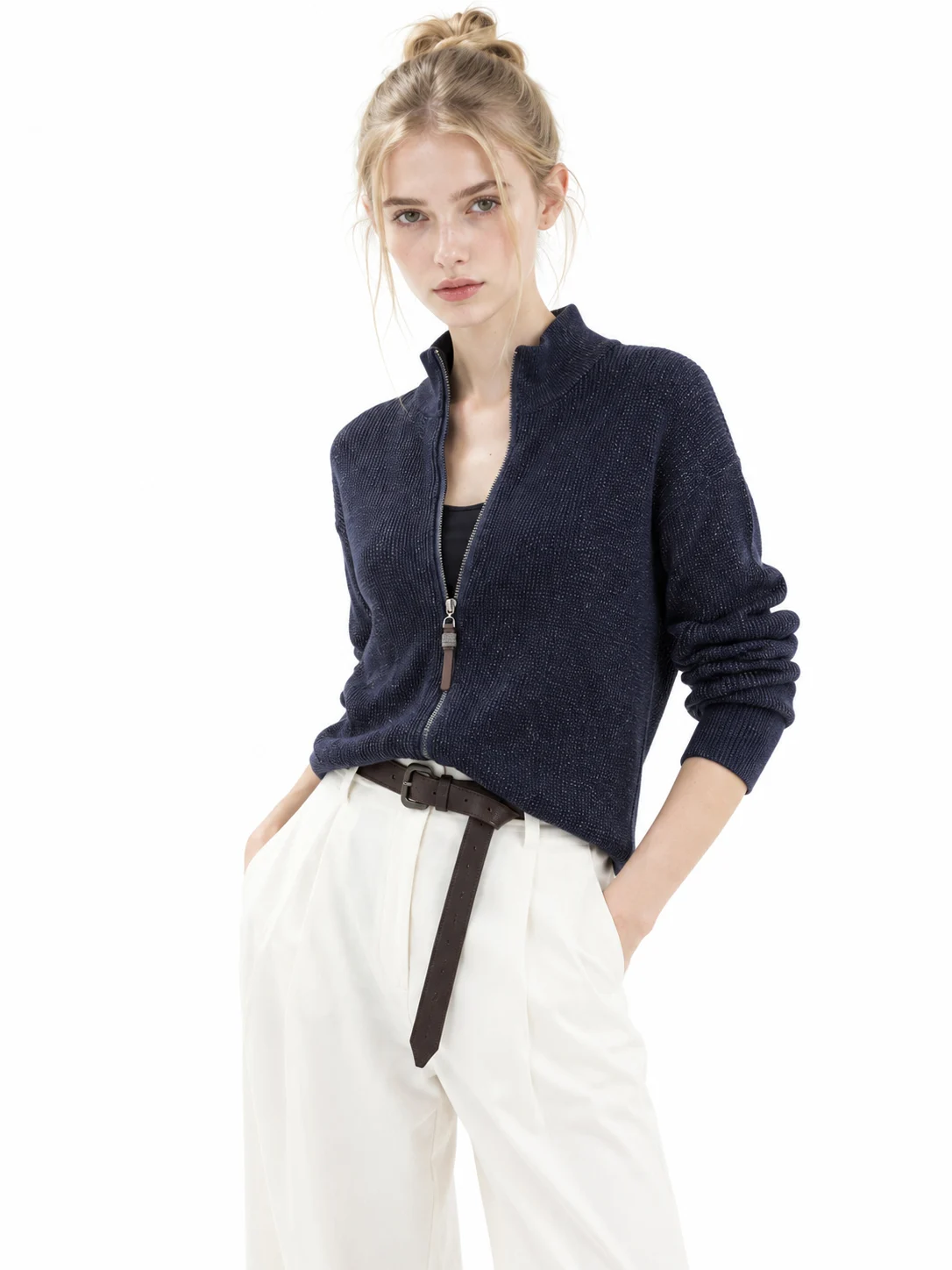
Use a yarn hairiness test report for knitwear surface approval by pairing its identified outputs with a retained knitted reference. Confirm the yarn tested, the instrument and the meaning of each reported value before comparing candidates. Describe whether the brief calls for a visible halo or a cleaner outline, then review the actual surface after the intended processing. Do not convert a hairiness reading into a pilling grade or a universal softness score. Your approval should identify the measured material and the accepted appearance, while any separate durability claim remains supported by its own relevant evidence.
Keep these distinctions clear:
- A hairiness output describes a measured yarn attribute.
- The desired surface is a product-specific development choice.
- Pilling, washing release and tactile preference need separate evaluation.
Describe the approved halo in observable language
Start with photographs and, where possible, a physical material reference. State what should remain visible: a defined stitch outline, an even halo or another identified feature. Avoid asking for “more premium hairiness,” which does not tell another reviewer what to approve.
Keep the reference under the same viewing conditions used for candidate comparisons. If a close photograph is part of the record, include a wider view so the surface is not judged only at an extreme magnification.
Use materials and craftsmanship as the introduction to your inquiry and attach the actual reference. A material category does not substitute for an approved yarn article and finish.
Identify which hairiness output was measured
Uster’s brochure distinguishes its H output from protruding-fibre length classification. Uster Tester 6 brochure. Ask the report issuer to explain the output used instead of treating all hairiness figures as the same scale.
| Evidence | What to record | What it cannot approve alone |
|---|---|---|
| Yarn hairiness result | Named output, instrument and sample | The complete knitted appearance |
| Length classification | Reported categories and method | A universal pilling prediction |
| Knitted surface reference | Yarn, construction and finishing state | Every future material substitution |
| Tactile comparison | Named attributes and evaluation conditions | A medical or skin-safety claim |
| Separate performance report | Relevant test and specimen | Untested properties outside its scope |
The table keeps the evidence attached to the question it answers. If a supplier provides only an unexplained hairiness value, request the supporting report before making a numerical comparison.
Compare the right material at the right stage
Uster lists hairiness and hairiness-length classification as separate available yarn tests. Uster laboratory testing services. The buyer’s next task is to identify which tested specimen represents the material under review.
Keep cone-yarn measurements and finished-panel observations labelled separately. If processing changes between candidates, record that change rather than attributing the entire appearance difference to the original hairiness reading.
During a boutique OEM development discussion, send the target surface and existing report together. Ask for a material comparison around that target. This creates a clearer brief than instructing the team to chase an isolated number.
Review the knitted surface without predicting every failure
Use the same construction and intended finish when a controlled comparison is feasible. View both candidates before making the decision, and note which differences matter to the product.
Follow a practical review order:
- Confirm the identity of each panel and yarn.
- Compare the overall surface against the reference.
- Examine any uneven areas or interrupted stitch definition.
- Handle the panels using a consistent sequence.
- Record separate performance questions that the surface review does not answer.
If you want a pilling or washing-release claim, specify the relevant evaluation separately. A pleasing halo does not close those questions, and a low-looking hairiness figure does not create a finished-garment durability guarantee.
Write a surface agreement that survives a later change
Name the approved yarn, relevant report and finished reference. State whether the accepted appearance depends on a particular processing route. If the reference was approved at the panel stage, do not describe it as approval of every garment detail.
For a proposed replacement, compare both the available measurement evidence and the finished surface. A match on one instrument output can be useful, but it should not automatically replace the physical reference decision.
The prototype approval guide addresses the later full-garment review. Keep a separate surface note so it is clear which material decision has already been made and which garment checks remain.
Questions about yarn hairiness reports
Is more hairiness always a defect?
No. Define the intended surface first. A deliberate halo and an unwanted irregular surface require different approval language.
Can H and a long-fibre classification be compared directly?
Do not assume they are interchangeable. Ask the laboratory what each output represents and how it may be compared.
Does hairiness prove that a sweater will pill?
Do not use it as a replacement for relevant finished-material performance evidence. Keep the two questions separate.
Should the buyer approve only the unprocessed yarn?
Review the stage relevant to your decision and also inspect the intended finished surface before approving that appearance.
What if the numerical result matches but the surface does not?
Record the mismatch and investigate the complete material and processing differences. Do not override the product requirement solely because one number matches.
Share the report, yarn identity and surface reference through the knitwear inquiry page to request a comparison with clear acceptance language.